In a rapidly evolving digital landscape, seamless, customizable communication is no longer a luxury but a necessity. How can organizations harness advanced telephony solutions like Grandstream’s innovative IP phones and centralized management systems to transform their networks? This guide reveals how cloud-based deployment, scalable hardware, and intelligent traffic management—such as Quality of Service—can create a resilient, secure, and flexible communication environment. It explores the shift from traditional landlines to intelligent VoIP systems that support remote work, high call volumes, and integrated collaboration tools. But as systems grow more complex, security becomes paramount—how do businesses safeguard sensitive conversations amidst expansive digital ecosystems? With solutions like the Grandstream GRP series and GDMS platform, organizations can deploy, manage, and scale with unprecedented efficiency. Embracing these innovations not only streamlines operations but positions your enterprise to stay competitive—are you ready to revolutionize your network today?
Revolutionize Your Business Communications with FiberConX’s Advanced VoIP Solutions in Canada
Discover how FiberConX Communications is transforming business communication across Canada with their cutting-edge VoIP & IP phone services. Their solutions include advanced features like voicemail, IVR, Ring Groups, and voicemail-to-mail, ensuring seamless and professional connectivity for your team. Whether you need scalable options or reliable customer support, FiberConX is your trusted partner. For more information, visit their website at FiberConX and inquire about their offerings using code GRP2614. Contact their sales team at [email protected] or call 1.800.961.6856 to elevate your business communication today.
Revolutionize Your Business Communication with Customizable Telephony Solutions
In today’s fast-moving business environment, clear and adaptable communication isn’t just a nice-to-have—it’s a must. Companies need flexible systems that can keep up with their growth, support remote work, and deliver seamless customer interactions. Traditional landline phones, with their rigid setups and limited features, often struggle to meet these demands. That’s why many organizations are turning to customizable telephony solutions that offer the flexibility and control modern businesses require.
Switching to tailored communication systems means designing a setup that aligns with your specific workflows. Instead of forcing everyone into a one-size-fits-all system, you can choose devices, features, and configurations that suit each department’s needs. For example, sales teams benefit from quick access to customer data and call recordings, while support centers prioritize high call volume handling and reliable routing. Customization helps streamline operations, boost productivity, and reduce frustration across the board.
This shift isn’t just about hardware choices; it’s about creating an entire communication ecosystem that adapts to your needs. Cloud-based management platforms, like Grandstream’s GDMS, make this possible by providing centralized control over hundreds or thousands of devices. With such tools, deployment becomes faster, adjustments can be made in real-time, and IT support is simplified—minimizing disruptions. This flexibility enables businesses to scale up or refine their systems effortlessly as their needs evolve.
Beyond voice calls, modern telephony solutions incorporate features like video conferencing, instant messaging, and integrations with business applications. These capabilities foster better collaboration, enhance customer service, and project a professional image. When communication channels are customized to fit brand and operational goals, every interaction becomes more effective, creating a unified experience that supports overall growth.
The backbone of reliable, customizable telephony lies in robust network infrastructure. Properly configured routers, switches, firewalls, and high-speed internet connections are essential. They ensure high call quality, low latency, and security. Technologies like Quality of Service (QoS) prioritize voice traffic, helping maintain clear conversations even during busy periods. A secure, well-managed network forms the foundation that allows flexible systems to function smoothly without sacrificing performance.
As organizations adopt these advanced solutions, security becomes a top priority. With more devices connected and more data flowing over networks, safeguarding communications against threats is critical. Encryption, secure access controls, and routine updates protect sensitive conversations and maintain trust. This focus on security not only prevents breaches but also ensures consistent, reliable service—key to building long-term customer and partner confidence.
All these elements—hardware, network setup, security protocols, and management tools—come together to form a cohesive, adaptable communication platform. Building this integrated environment helps businesses respond swiftly to market changes, scale operations efficiently, and deliver a consistently professional experience. Embracing these innovations positions organizations to stay competitive in a rapidly evolving digital landscape.

Master the Fundamentals of Voice Technology and Network Infrastructure
Understanding how telephony technology and network infrastructure work together is essential for designing effective, customizable communication systems. Today’s voice communication primarily relies on Voice over Internet Protocol (VoIP), which converts voice signals into digital data packets transmitted over your existing internet network. This shift from traditional landlines offers unparalleled flexibility, allowing organizations to tailor their systems to handle high call volumes, support remote work, and integrate with other digital tools seamlessly.
A reliable telephony setup depends on a robust network infrastructure that includes routers, switches, firewalls, and high-speed internet connections. Proper configuration of these components ensures clear audio quality, low latency, and minimal disruptions during calls. If bandwidth isn’t managed correctly, calls can drop or become choppy, frustrating users and damaging customer trust. Understanding the basics of network design—such as bandwidth allocation and traffic segmentation—is crucial for creating a system that can handle the demands of modern business communication.
Quality of Service (QoS) is a key feature that helps maintain call quality. By prioritizing voice traffic over other data streams, QoS ensures that voice calls stay crisp and responsive, even during peak network usage. Without these settings, voice data might be treated equally alongside large file downloads or streaming videos, leading to delays and poor audio. Implementing QoS effectively guarantees that your communication remains professional and reliable, supporting a seamless experience for both employees and customers.
Security becomes increasingly important as telephony systems become more integrated into digital environments. Protecting conversations from eavesdropping and cyber threats involves encryption, secure access controls, and routine firmware updates. As voice communications move into the digital realm, safeguarding these channels is vital to maintaining confidentiality, trust, and business integrity. A secure network not only prevents data breaches but also ensures that your communication infrastructure remains resilient against evolving cyber threats.
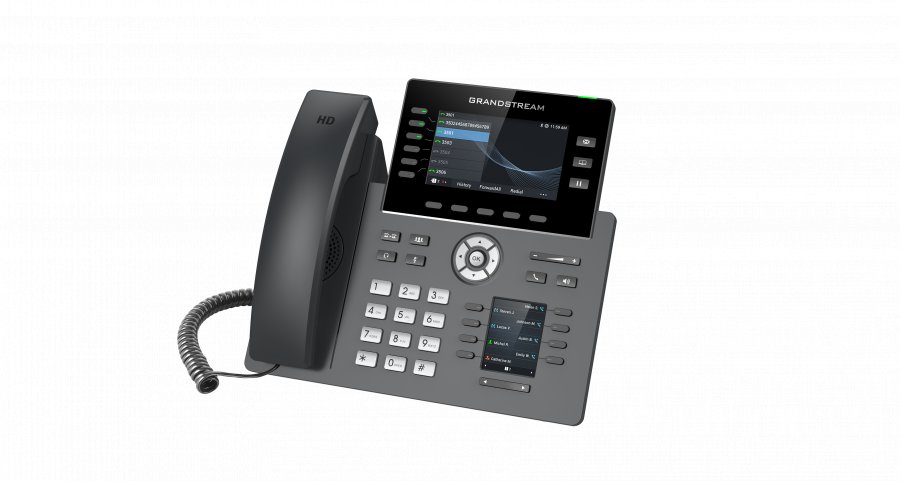
On the hardware side, the evolution from traditional phones to IP-based endpoints has transformed organizational communication. Modern IP phones, such as those from Grandstream, can be customized with programmable keys, personalized voicemail, and tailored network settings. These devices support diverse workflows—whether enabling quick access for sales teams or managing high-volume support calls—making them central to a flexible and efficient system. Remote management platforms like Grandstream’s GDMS simplify deployment and ongoing maintenance, allowing for centralized control over large fleets of devices, reducing operational costs and boosting responsiveness.
Bringing these elements together—advanced telephony technology, a well-designed network infrastructure, targeted security, and scalable hardware—creates a foundation for personalized, resilient communication systems. Knowing how voice signals are transmitted, how to prioritize traffic, and how to safeguard your network empowers businesses to build systems that are both adaptable and secure. This integrated approach supports not just current operational needs but also future growth, ensuring your organization remains connected and competitive in an increasingly digital world.

Navigate the Modern Telephony Landscape: Cloud Solutions, Security, and Scalability
Today’s telephony landscape has transformed dramatically, driven by rapid technological advances and shifting business needs. Companies are moving beyond traditional landlines to adopt smarter, cloud-managed systems that offer unmatched flexibility and scalability. Cloud platforms enable organizations to deploy, adjust, and expand their communication networks remotely, reducing the reliance on physical infrastructure and minimizing downtime. This agility allows businesses to adapt quickly to market changes, remote work demands, and customer expectations without the lengthy process and costs associated with hardware upgrades.
Devices like Grandstream’s IP phones exemplify this new era. Designed for simple provisioning, these phones deliver high-quality audio and seamless integration with existing network setups. Whether managing a handful of phones or thousands across multiple locations, these devices support scalable deployment. Centralized management platforms such as Grandstream’s GDMS streamline configuration, monitoring, and updates, giving IT teams real-time control from a single interface. This not only accelerates deployment but also ensures uniformity and simplifies ongoing maintenance, saving time and operational costs.
The focus today extends beyond hardware to creating reliable, adaptable communication solutions aligned with growth. Cloud telephony platforms empower organizations with features like remote provisioning, system-wide updates, and integration with business applications. These tools reduce dependence on on-site IT support, enabling faster setup and easier management. Customizable features such as call routing, voicemail, and collaboration tools can be tailored to specific operational needs, enhancing both customer experience and internal efficiency.
Network optimization tools have become essential for maintaining high-quality telephony services amid increasing digital traffic. Techniques like Quality of Service (QoS) prioritize voice traffic over other data streams, ensuring clear, responsive calls even during peak usage. Proper bandwidth management prevents delays, jitter, and dropped calls that can harm a business’s reputation. Segmenting voice traffic from general data streams creates dedicated pathways, reducing disruptions and enhancing security—vital for maintaining professionalism and confidentiality.
Security takes center stage as telephony systems become more integrated and accessible. Encryption protocols, secure access controls, and routine firmware updates protect against cyber threats and eavesdropping. As voice communications become part of broader digital ecosystems, safeguarding these channels isn’t optional—it’s essential for trust and compliance. A resilient, secure network not only prevents breaches but also guarantees consistent, uninterrupted service, which is critical for maintaining customer confidence and operational stability.
Streamlined deployment solutions like Grandstream’s mass provisioning phones, including the GRP series, have revolutionized how organizations scale their communication infrastructure. These devices can be deployed rapidly across large networks, with centralized management platforms allowing remote configuration, updates, and monitoring. This approach minimizes downtime, ensures consistency across locations, and significantly reduces the costs associated with large-scale rollouts. It makes expanding or upgrading communication systems more feasible and less disruptive.
As more organizations embrace these advanced, flexible solutions, the importance of a cohesive infrastructure becomes clear. Integrating hardware, network design, security protocols, and management platforms creates a resilient ecosystem that supports dynamic, personalized communication strategies. This interconnected approach enables businesses to respond swiftly to market shifts, scale seamlessly, and deliver professional, reliable service at all times. Staying ahead means not just adopting new technology but understanding how these elements work together to build a future-proof communication foundation.