Throughout history, leaders have often been judged by external triumphs—armies, borders, symbols of power—yet true strength may lie within. Marcus Aurelius exemplifies this paradox: a ruler whose enduring legacy rests not solely on conquest but on inner discipline, wisdom, and moral resilience. His writings in Meditations reveal a leader who prioritized self-mastery amid chaos, demonstrating that resilience, humility, and moral clarity form the foundation of lasting influence. This perspective invites us to question whether modern leadership should shift focus from superficial displays of power to cultivating inner virtues—resilience, self-awareness, and integrity. In an era of ethical dilemmas and rapid change, inner discipline becomes the most potent form of authority, fostering trust and loyalty. As the story of Marcus Aurelius illustrates, genuine power isn’t measured by external victories but by mastery over oneself, inspiring a legacy that endures beyond fleeting external accomplishments.
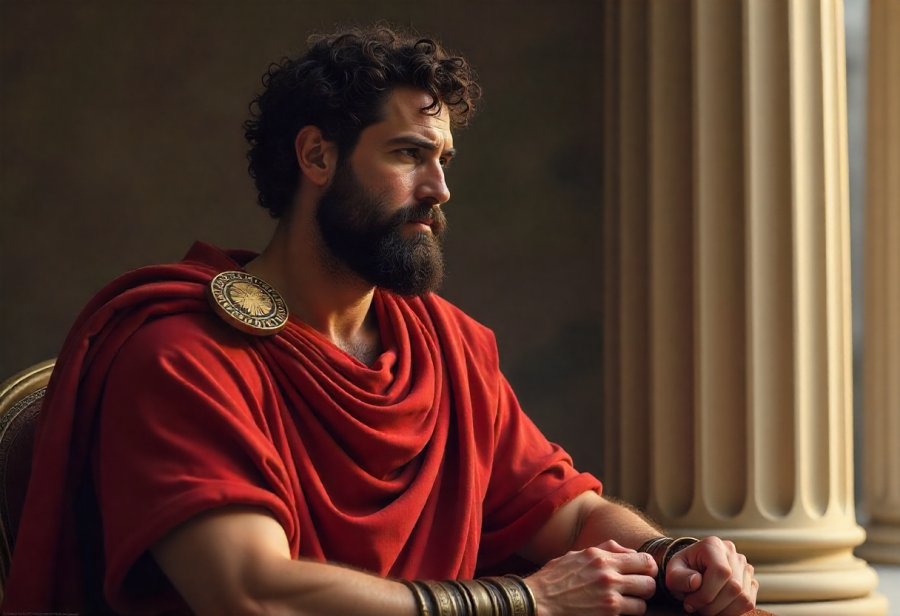
Inner Discipline Over External Power: The True Source of Leadership Strength
Throughout history, leaders have often been judged by what they showcase outwardly—armies, borders, and symbols of dominance. It’s easy to equate strength with conquest, but this view misses a deeper question: what truly makes a leader powerful? Is it the ability to expand influence through external achievements, or does real strength lie within—through self-control, resilience, and wisdom? This question challenges us to look beyond surface displays and consider what sustains leadership over the long haul.
Take Marcus Aurelius, for example. As Roman emperor, he faced relentless challenges—wars, plagues, political unrest. Yet his legacy isn’t built solely on military victories or territorial gains. Instead, he’s remembered for his commitment to Stoic philosophy and inner discipline. His writings in Meditations reveal a leader who prioritized mastering himself over expanding his empire. Resilience, humility, and moral clarity emerge as the true sources of his influence, not just external power.
This idea isn’t new. Across cultures and eras, philosophies have long emphasized inner virtues—wisdom, self-control, integrity—as the foundation of genuine leadership. From Confucian ideals to Stoic teachings, the message is consistent: true strength comes from within. Leaders who develop inner discipline are better equipped to face turbulence calmly and make decisions rooted in moral clarity. External conquests may fade, but inner mastery offers a lasting foundation for influence.
In today’s complex world, this perspective feels more relevant than ever. Leaders confront ethical dilemmas, rapid change, and diverse teams. External power alone often falls short. It’s inner resilience, emotional regulation, and moral integrity that build trust and inspire loyalty. When leaders govern themselves first—cultivating patience and humility—they create stability and authenticity that can weather any storm.
Focusing on inner discipline isn’t about ignoring external realities. Instead, it provides a sturdy base from which to navigate challenges effectively. Leaders who develop self-awareness and emotional resilience become anchors for their teams, showing that true strength isn’t about dominance but about moral and psychological steadiness. This inward focus transforms leadership into a moral act—one rooted in mastery over oneself, not just mastery over others.
As we consider these ideas, it’s clear that the most enduring leaders are those who recognize that genuine power resides within. Marcus Aurelius exemplifies this truth: mastery over oneself creates a legacy that outlives fleeting victories. By cultivating inner virtues—wisdom, humility, resilience—we can lead with integrity and inspire others to do the same. Inner discipline becomes not just a personal virtue but the true source of lasting influence.
Historical Perspectives: Power, Virtues, and the Foundations of Leadership
Throughout history, the way leaders have been perceived often centered on outward displays of power—military triumphs, territorial expansion, and symbols of dominance. Ancient civilizations like Rome, Greece, and Egypt celebrated rulers who expanded their empires through conquest, viewing these achievements as the ultimate proof of strength. External control and visible symbols of influence became the primary measures of a leader’s authority. However, alongside these outward markers, philosophical traditions emphasized that true leadership depends more on inner virtues—wisdom, self-control, and moral integrity—that endure beyond fleeting victories.
From Confucian ideals in China to Stoic philosophy in Greece and Rome, thinkers have long argued that genuine strength isn’t just about external control but about mastery over oneself. The Stoics, especially, believed that real power comes from inner resilience—remaining calm and composed regardless of external chaos. Marcus Aurelius exemplifies this perspective; his writings in Meditations reveal a leader who prioritized self-mastery over external displays of power. For these philosophies, leadership rooted in virtue and self-awareness offers a stability that military might cannot provide, making inner strength the true foundation of lasting influence.
As civilizations evolved through the Renaissance and Enlightenment, the emphasis on inner virtues persisted, even as external symbols of power continued to dominate political life. The idea of the “philosopher-king,” championed by figures like Plato, reemerged—highlighting wisdom and moral integrity over conquest. In the modern era, leadership theories shifted further, emphasizing emotional intelligence, ethical decision-making, and resilience. These traits, increasingly recognized as vital, stem from inner discipline and moral clarity, reinforcing the idea that sustainable influence depends more on internal virtues than external achievements.
Despite these shifts, the core question remains relevant: is true leadership best measured by external success or by inner virtues? The historical record clearly favors the latter. Leaders who cultivate self-control, humility, and moral integrity tend to leave more enduring legacies. External power can be fragile and fleeting, but inner resilience provides a steady, reliable foundation. This understanding encourages us to see leadership as a moral and psychological achievement—an ongoing process of inner mastery that sustains influence far beyond superficial displays of strength.
In essence, history teaches that the most lasting leaders are those who prioritize inner virtues. Whether through Stoic ideals or moral philosophies across cultures, the message is consistent: genuine strength resides within. Outer conquests fade, but mastery over oneself creates a legacy that influences generations. Recognizing this shifts our view of leadership from external dominance to inner self-mastery, emphasizing that the greatest power a leader can possess is the ability to govern their own mind and character.
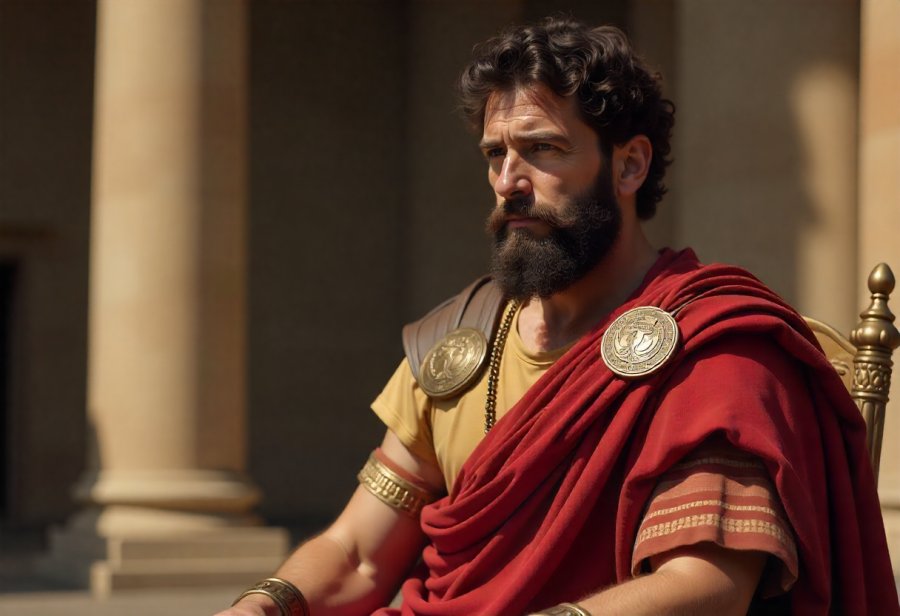
Marcus Aurelius: A Model of Inner Mastery and Moral Leadership
Marcus Aurelius stands as a prime example of how a leader can balance authority with inner discipline, leaving a legacy rooted in moral strength rather than mere conquest. As Roman emperor from 161 to 180 AD, he faced relentless challenges—border wars, a devastating plague, and political unrest. Yet, his true power lay not just in his imperial title but in his unwavering commitment to Stoic philosophy, which he practiced daily through his writings.
His journal, Meditations, reveals a leader deeply focused on self-mastery. Born into a prominent Roman family, Marcus was educated in philosophy, embracing Stoic ideals that emphasized resilience, humility, and inner calm. Rather than seeking external dominance, he prioritized cultivating virtues like patience and humility, even amid chaos. His internal discipline became his most formidable weapon, enabling him to govern with clarity and moral integrity.
Throughout crises, Marcus demonstrated that inner resilience could serve as a shield against external turbulence. Whether facing military setbacks or epidemics, he practiced acceptance and emotional regulation, viewing these trials as opportunities for growth. His writings encourage the reader to govern passions and impulses, reinforcing that true strength arises from self-control, not external force.
Marcus’s leadership was characterized by a focus on moral integrity. He made decisions rooted in virtue, often resisting the temptations of ego or power. His humility and fairness earned him respect, inspiring loyalty among his followers. He understood that governing oneself creates a moral influence that surpasses military might, fostering a lasting legacy grounded in inner discipline.
His example underscores that genuine leadership depends on mastery over oneself. Marcus’s life shows that resilience, humility, and wisdom—cultivated through consistent effort—are more enduring than fleeting military victories. His ability to remain steady in turbulence made him a symbol of moral authority, demonstrating that true power is rooted in inner strength.
Today, Marcus Aurelius’s legacy offers a timeless blueprint. His example urges leaders to prioritize self-governance, emotional resilience, and virtue. In a world of rapid change and ethical challenges, these qualities foster trust and inspire genuine influence. His life reminds us that the greatest leaders are those who govern from within, balancing strength with moral clarity, and leaving a legacy that endures beyond external achievements.
Modern Leadership Lessons: Cultivating Inner Resilience and Ethical Authority
In today’s fast-paced and complex world, leadership demands more than just making decisive calls or projecting confidence. It’s increasingly about cultivating inner qualities—resilience, wisdom, and moral clarity—that help navigate uncertainty with steadiness and integrity. Marcus Aurelius’s example reminds us that true strength rooted in self-discipline often surpasses external displays of power. Leaders today face ethical dilemmas, rapid technological shifts, and diverse teams, making emotional stability and moral grounding essential for building trust and inspiring loyalty.
Developing self-awareness is a crucial first step. Leaders who understand their strengths and vulnerabilities can better regulate emotions and reactions. Regular reflection, mindfulness, and emotional check-ins foster clarity, allowing for thoughtful responses rather than impulsive reactions. This calm, deliberate approach not only enhances decision-making but also creates an environment where others feel safe and valued. When leaders govern themselves first, they set a tone that encourages authenticity and resilience across their organizations.
Inner discipline also strengthens emotional resilience. Leaders who can manage feelings like anger or frustration create a steady influence that helps teams remain focused and composed during crises. Resisting knee-jerk reactions isn’t about suppression but about mastery—resisting impulses that might escalate conflicts or undermine trust. When leaders stay steady in turbulent moments, they become anchors for their teams, inspiring confidence and stability from a moral and psychological foundation rooted in inner strength.
Humility plays a vital role in this process. Leaders who recognize their fallibility and remain open to feedback foster environments of trust and continuous growth. This humility combined with wisdom allows for adaptability and innovation, even in uncertain times. Marcus Aurelius’s emphasis on virtue and integrity offers a blueprint: leading with authenticity, prioritizing core values over superficial success. Such leaders earn genuine respect and create a legacy of moral authority that endures beyond fleeting trends.
Inner discipline directly influences ethical decision-making. When faced with ambiguity or pressure, leaders guided by their internal virtues are more consistent and trustworthy. This moral clarity builds a reputation that attracts loyalty and fosters a culture of integrity. Leaders who focus inward develop a stability that helps them rally others around shared purpose, even amid chaos. Their influence stems from demonstrating patience, humility, and resilience—traits that inspire long-term commitment.
Embracing inner discipline as a cornerstone of leadership transforms organizational culture. Leaders who prioritize self-mastery foster environments where authenticity, ethical behavior, and emotional intelligence flourish. Such cultures attract individuals committed to purpose and integrity, creating organizations resilient enough to withstand change and turbulence. Inner strength, rooted in continuous self-development, becomes the foundation for sustainable, meaningful leadership—one that leaves a lasting legacy rooted in moral authority and genuine influence.
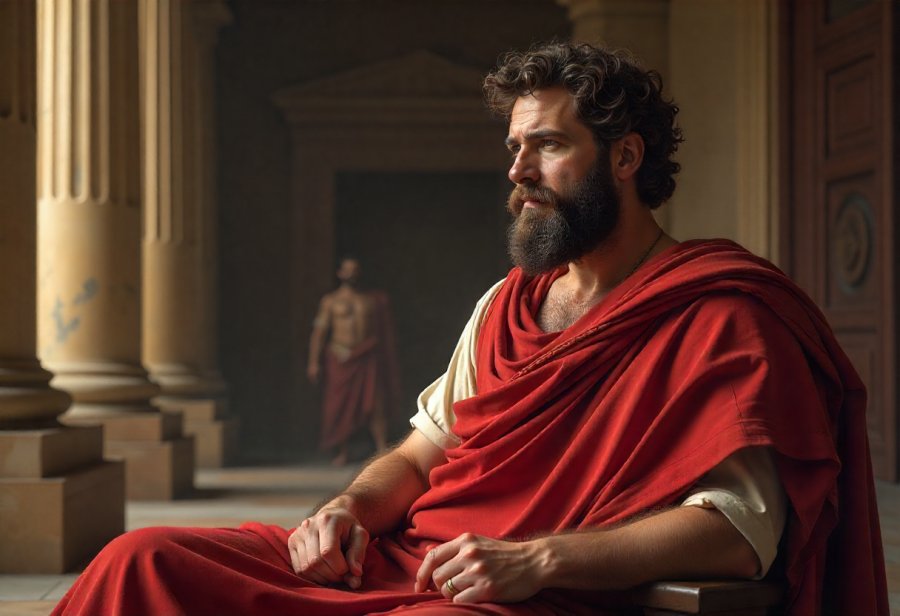
The Enduring Power of Inner Virtue: Embracing Self-Mastery as the Heart of Leadership
Throughout history, the leaders who have truly stood the test of time are those who prioritized inner discipline over outward displays of power. Marcus Aurelius exemplifies this idea perfectly: his life shows that genuine strength isn’t measured by armies won or lands gained, but by mastery over oneself—wisdom, resilience, and humility. These qualities endure beyond fleeting victories and form the true legacy of leadership.
Focusing inward creates a solid foundation rooted in virtue and moral clarity. Leaders who govern themselves first develop a calm, steady presence that naturally inspires trust and loyalty. This influence isn’t dependent on external circumstances but rooted in authenticity and moral authority, qualities that others recognize and respect over time. Inner strength, cultivated through ongoing effort, becomes a resilient anchor in turbulent times, guiding others not through force but through moral example.
Developing this inner discipline requires continuous effort—through reflection, mindfulness, and emotional regulation. These practices strengthen resilience and help leaders respond thoughtfully rather than impulsively. When leaders govern their emotions and impulses, they set a tone of stability that encourages their teams to follow. This inward work doesn’t guarantee a smooth ride, but it provides a moral compass that keeps the leader steady amid chaos.
Leaders who embrace humility and virtue foster environments of trust and authenticity. Recognizing their own fallibility and remaining open to growth allows them to adapt without losing moral ground. Such leaders lead with integrity, inspiring genuine loyalty and creating a culture built on shared values. They understand that real influence stems from a consistent internal moral stance, not superficial appearances or external achievements.
When leadership is rooted in inner virtues, it transforms organizations into resilient, purpose-driven communities. These leaders build cultures where emotional intelligence, authenticity, and ethical behavior thrive. This foundation of inner discipline attracts individuals committed to long-term impact, ensuring the organization’s strength endures through change and challenge. Inner mastery becomes the key to sustainable, meaningful influence.
Ultimately, the greatest leaders understand that true power resides within. Mastery over oneself—embodying patience, humility, and resilience—creates a legacy that outlives transient successes. By investing in inner growth, we forge a leadership style that is authentic, enduring, and capable of inspiring genuine respect. This inward focus not only elevates us as individuals but also elevates those we lead, shaping a future where strength is measured by moral clarity and inner resolve.