What if the greatest obstacle to learning to swim is simply taking that first courageous step? This inspiring journey reveals that water fears at any age can be transformed into confidence, safety, and joy. Whether you’re a hesitant adult or a nervous child, the path involves small, manageable steps—building trust and familiarity through gentle exposure, supportive instruction, and positive reinforcement. The story emphasizes that progress isn’t linear, and setbacks are natural, but with patience, persistence, and a growth mindset, water becomes a space of empowerment rather than intimidation. Creating a safe, encouraging environment is vital—where mistakes are part of learning, and every tiny victory fuels motivation. As you discover how mental strategies like visualization and self-talk reinforce progress, this work challenges the notion that age is a barrier. It’s a compelling reminder: with the right mindset, anyone can unlock the freedom and confidence that water can offer—so why not take that first step today?
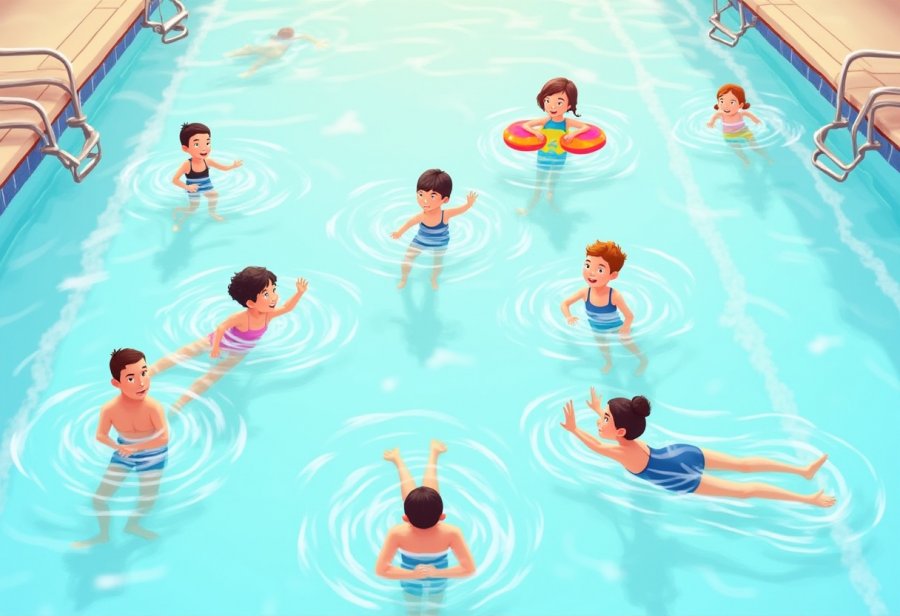
Begin Your Water Journey: Overcoming Fear at Any Age
Learning to swim isn’t just a childhood milestone; it’s a skill that can change how you see water at any age. Many adults hesitate because of fears rooted in past experiences or media stories, but the truth is, learning to swim is accessible to everyone, no matter your age. The first step might feel intimidating—standing poolside, unsure of yourself, or worried about failing. But taking that initial plunge is the key to unlocking a world of confidence, safety, and joy in the water.
Starting as an adult may seem daunting, especially if you’ve carried water-related fears for years. Yet, these feelings are incredibly common and don’t have to hold you back. The journey to becoming a swimmer is about small, manageable steps—trusting the process, celebrating even tiny victories, and building momentum gradually. With patience, water begins to feel less like an enemy and more like a space of freedom and exploration.
Many people have fears based on childhood stories or negative media portrayals. These mental barriers can make approaching the pool feel overwhelming. But with gentle exposure—like sitting near the water, splashing your face, or wading in shallow areas—you can start to rebuild trust in your body and the water. Support from instructors or loved ones creates a safe environment where risk-taking becomes less intimidating, turning anxiety into curiosity and confidence.
Learning to swim at any age is about progress, not perfection. It’s about developing a positive relationship with water—one that’s rooted in patience, persistence, and a willingness to try. Every splash, every breath, every float is a step forward. Overcoming fear isn’t a straight line, and setbacks are part of the process. But each small effort adds up, transforming water from a source of worry into a space of empowerment.
The most important thing is to start. Whether it’s signing up for a beginner class, practicing breathing exercises, or simply spending more time near the pool, the act of taking that first step sets everything in motion. Water’s ability to transform fear into freedom is accessible at any age—sometimes all it takes is a little courage to dive in. Once you do, you’ll discover that the journey to water confidence is a rewarding experience worth every splash.
Building Trust and Comfort: Foundations of Water Confidence
Building water confidence starts with understanding some basic ideas that apply regardless of your age. At its core, feeling comfortable in the water depends on trust, familiarity, and a sense of safety. You don’t need to be a quick learner or master perfect technique—what matters is creating a positive connection with water through small, manageable steps. Simple exercises like slow breathing, floating on your back, or gentle kicking help you get used to how your body feels in the water. These foundational skills are not just about physical ability; they also help you develop mental trust and reduce anxiety, turning water from a place of fear into a space of exploration.
Patience plays a crucial role in building confidence. Progress may be slow at first, and that’s perfectly normal. Instead of rushing to learn complex strokes, focus on developing comfort with basic skills. For example, learning to breathe calmly while submerged or floating without panic can significantly boost your sense of control. Celebrating these small victories reinforces your progress and keeps your motivation high. Remember, swimming is as much a mindset as it is a skill—approaching each session with a growth attitude helps you see mistakes as part of the journey rather than setbacks.
Gradual exposure is key to overcoming water fears. Starting with simple activities like sitting near the pool, splashing water on your face, or wading in shallow water builds trust over time. Using positive self-talk and visualization techniques can calm nerves and strengthen your belief that you can succeed. Having a supportive instructor or friend nearby adds reassurance, making each step feel safer and more manageable. This consistent, gentle approach helps reframe water from a source of worry into a space of opportunity and growth.
Building confidence also involves embracing a mindset focused on progress rather than perfection. Set realistic expectations and recognize that setbacks are natural—they’re simply part of the learning process. When you accept that improvement isn’t always linear, you’re more likely to stay patient and persistent. Each small effort, whether it’s dipping your toes or floating unaided, accumulates to foster a stronger sense of capability. Over time, these tiny wins lay the groundwork for greater skills and more enjoyment in the water.
Developing mental resilience is just as important as physical practice. Techniques like visualization, positive affirmations, and staying present can significantly reduce anxiety. When you focus on your successes and progress, water becomes less intimidating and more inviting. Cultivating patience and self-compassion helps you handle challenges with a calm mind, making the journey more sustainable and enjoyable. Confidence in water isn’t built overnight; it’s a gradual process powered by consistent effort and a positive outlook.
Age isn’t a barrier—it’s simply a different starting point. Many adults start from scratch and find they can learn to swim with confidence and joy. The process might look different for everyone, but the principles remain the same: start small, be consistent, and celebrate every step forward. Trust in your ability to grow, and realize that every effort brings you closer to feeling at home in the water. With patience and determination, you’ll transform water from a source of fear into a space of freedom and strength.
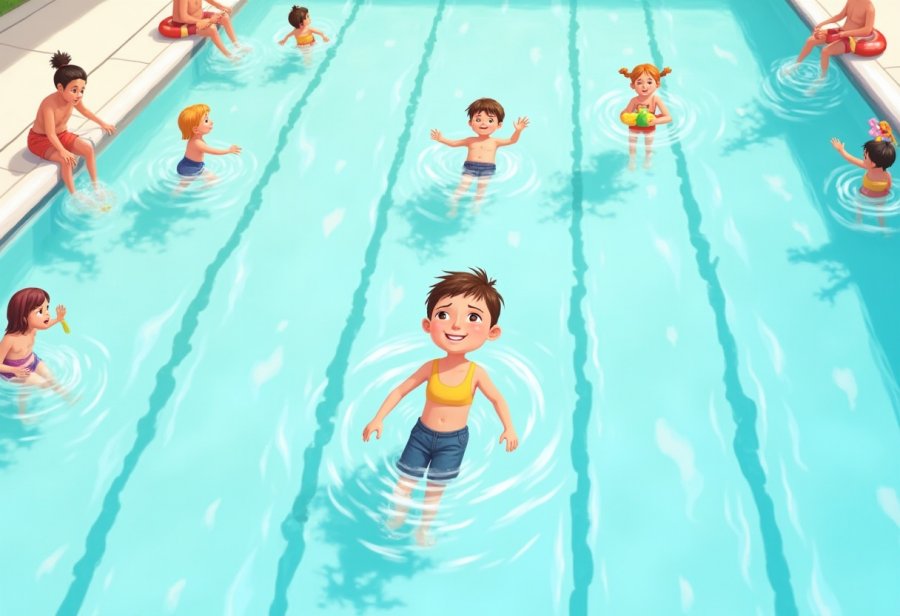
Fostering Growth: Creating a Safe, Supportive Learning Space
Creating a supportive learning environment can make all the difference when it comes to building water confidence, especially for beginners. When instructors, friends, or family offer encouragement, it fosters a sense of safety that encourages learners to take risks without fear of judgment. Feeling supported isn’t just about kind words; it’s about creating trust and making water feel like a secure space rather than an intimidating obstacle. When people believe in your potential, they inspire you to push past doubts and try new skills with confidence.
Good guidance is equally vital. Clear instructions, patience, and positive feedback give learners a roadmap that makes progress feel achievable. Instead of rushing or expecting perfection, supportive instructors celebrate small wins, helping students recognize how far they’ve come. This approach keeps motivation high and turns each effort into a building block for future success. When learners feel genuinely supported, their relationship with water shifts from fear to curiosity and growth.
Supporting diverse learning styles enhances this process. Some people need more time or gentle reassurance, while others may progress quickly. Adjusting your approach to meet individual needs prevents frustration and fosters inclusion. For example, offering reassurance after a challenging session or breaking skills into smaller, manageable steps helps build trust. When setbacks are framed as natural parts of learning, learners become more resilient, viewing challenges as opportunities rather than failures.
Normalizing mistakes plays a key role in creating a safe environment. When learners understand that stumbling is part of growth, they relax and are more willing to try again. This mindset shift reduces anxiety and helps build resilience, turning water from a source of fear into a space of opportunity. Peer encouragement further reinforces this by fostering a sense of community, where shared experiences motivate everyone to persevere.
Ensuring safety measures, like accessible rescue gear and clear protocols, also builds confidence. Knowing that safety is a priority allows learners to focus on exploring and practicing new skills without worry. This peace of mind nurtures a sense of control and freedom, making the water a space for learning rather than fear.
A supportive environment isn’t just about instruction; it’s about cultivating trust, patience, and encouragement at every stage. When learners feel safe and valued, they are more likely to embrace the challenge of learning to swim. This foundation of support transforms water from an intimidating element into a realm of confidence, joy, and lifelong growth.
Practical Strategies for Effective Swimming Progress
Learning to swim successfully at any age hinges on practical tools and mental strategies that make the journey both manageable and enjoyable. Starting with small, achievable exercises—like slow, controlled breathing, gentle floating, or easy kicking—builds a sturdy foundation without feeling overwhelming. These simple steps lead to quick wins, boosting confidence and motivation early on. Breaking down complex skills into bite-sized tasks helps you focus on progress rather than perfection, making each session feel rewarding and less intimidating.
A positive mindset plays a crucial role in overcoming water fears and maintaining steady progress. Believing in your ability to learn, and viewing setbacks as natural parts of growth, keeps motivation high. Visualization techniques—like imagining yourself floating effortlessly or swimming confidently—can calm nerves and reinforce your belief in success. Staying present and relaxing through mindfulness reduces anxiety, allowing you to enjoy each moment in the water and make learning more effective.
Consistency is key. Even dedicating a few minutes each day to practice creates momentum that turns initial efforts into lasting skills. Establishing a routine that mixes physical exercises with mental techniques helps your body and mind become familiar with water, gradually replacing apprehension with comfort. Recognizing that progress may be slow at times, but persistence pays off, keeps your spirits up and your focus sharp. Small, regular efforts accumulate over time, transforming water from a source of worry into a space of growth.
Using mental tools like affirmations and positive self-talk can significantly boost your confidence. Reminding yourself of every small victory—whether it’s dipping your toes or floating unaided—builds a sense of capability and progress. Celebrating these milestones encourages perseverance and helps turn water from an obstacle into an opportunity for achievement. As these habits develop, they foster resilience and make the learning process more rewarding and sustainable.
Patience and self-compassion are essential. Learning to swim at any age isn’t a race; it’s a journey marked by steady progress. Embracing setbacks as part of the process and focusing on effort rather than perfection keeps motivation alive. Adapting your approach as needed—whether by adjusting exercises or taking extra time—ensures a positive experience. Combining practical techniques with a supportive attitude transforms water from a challenge into a space for confidence, joy, and lifelong growth.
In the end, success depends on persistence and a willingness to adapt. Every small effort, every attempt, pushes you closer to feeling comfortable and safe in water. The strategies you adopt—staying positive, practicing regularly, and being gentle with yourself—build resilience and foster a lasting bond with swimming. With patience, determination, and a clear focus, the water becomes less of an obstacle and more an open door to strength, freedom, and enjoyment.

Reflect, Celebrate, and Keep Moving Forward in Water Confidence
Building water confidence is a journey rooted in patience, persistence, and a positive outlook. Progress rarely follows a straight line, and setbacks are simply part of the process. Recognizing that growth happens gradually helps keep expectations realistic and prevents frustration from taking hold. Every small victory—whether it’s floating unaided or taking a few strokes—builds momentum, reinforcing your belief in what you can achieve and fueling further progress.
A key to sustained confidence is trusting yourself. This trust develops through consistent effort and positive experiences in the water. Celebrating tiny milestones, like dipping your toes or floating without panic, strengthens your sense of capability. These small wins transform water from a source of fear into a space of growth and independence, proving that age is just a number and that meaningful change is always possible at any stage of life.
Support from instructors, friends, or family plays a vital role in this process. Feeling encouraged and safe creates a mental environment where risks feel worth taking. When others believe in your potential and cheer you on, doubts fade, and perseverance becomes easier. This shared encouragement fosters a sense of community and makes the learning process less isolating, inspiring you to keep pushing forward through challenges.
The mental aspect of learning to swim is just as important as the physical. Visualization, positive self-talk, and staying present help calm nerves and build resilience. Approaching each session with kindness toward yourself and focusing on progress rather than perfection transforms water from an intimidating obstacle into a place of empowerment. Developing these mental habits lays the foundation for a lifelong relationship with swimming—one rooted in confidence, joy, and safety.
In the end, water confidence is built through consistent effort and an open mind. Every step, no matter how small, brings you closer to feeling comfortable and safe in water. Embracing setbacks, celebrating progress, and trusting your ability to learn turns water from a source of fear into a space of strength and freedom. With patience and persistence, the journey from apprehension to enjoyment becomes not just achievable but truly transformative.