Learning to ride a bike embodies more than just a childhood skill; it’s a profound symbol of courage, independence, and family bonds. The wobbling, tentative efforts on two wheels reflect deeper emotional lessons—overcoming fear, building resilience, and trusting support systems. As children navigate falls and victories, they discover that setbacks are part of growth, fostering confidence and perseverance. But does the thrill of independence outweigh the fear of falling? Today’s advancements in safety gear and innovative teaching methods make this milestone more accessible and less intimidating, transforming it into a shared journey of trust and joy. As communities and technology evolve, the future promises even richer opportunities for cultivating resilience and independence through cycling. Could future innovations further empower children to embrace challenges with confidence? This ongoing evolution underscores cycling’s enduring role as a cornerstone of childhood development—rooted in adventure, supported by love, and driven by the desire to explore the world.
The Journey of Courage and Family Bonds in Learning to Ride
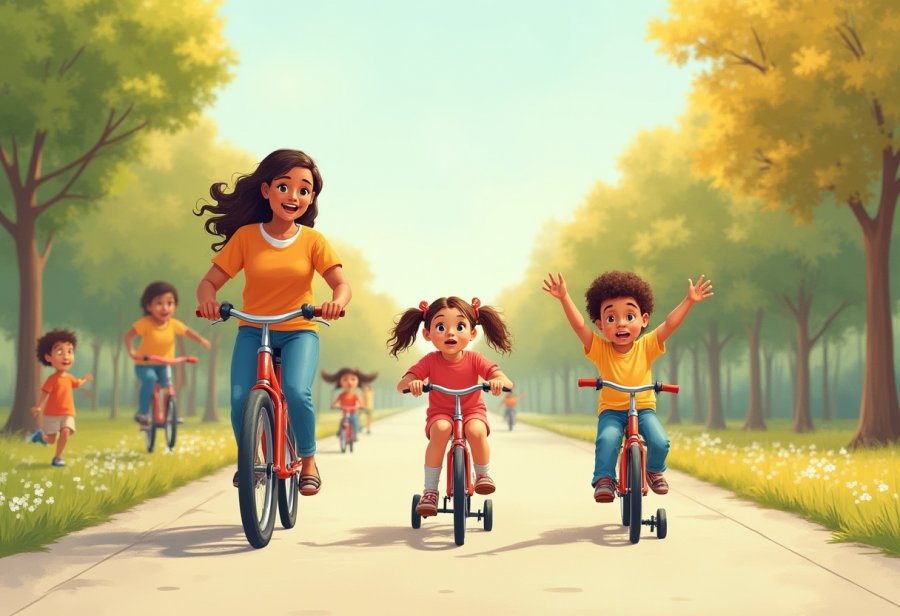
Learning to ride a bike is more than just a childhood milestone; it’s a powerful symbol of courage, growth, and family connection. The wobbling, tentative steps on two wheels mirror the larger challenges children face as they step into independence. Those first shaky attempts are not only about mastering balance—they’re about confronting fears that come with trying something new and unfamiliar. Watching a child push past hesitation can be a profound moment for families, reminding everyone that bravery isn’t the absence of fear but the willingness to move forward despite it.
This journey also deepens family bonds in unique ways. Parents, siblings, and caregivers often become cheerleaders and safety nets, offering encouragement and reassurance along the way. Small victories—like pedaling without support or staying upright for a few seconds—turn into memorable milestones that strengthen emotional ties. These shared moments of effort and celebration foster trust and create lasting memories rooted in perseverance, love, and mutual support.
At its core, learning to ride a bike is a metaphor for personal development. The falls, the wobbling, and the repeated tries teach resilience, patience, and the importance of persistence. As confidence grows, children discover that setbacks are part of growth, and that their loved ones’ support makes overcoming obstacles easier. These lessons extend far beyond the driveway, shaping a mindset that encourages facing future challenges with courage and optimism.
Understanding the emotional rollercoaster involved is just as important as the physical act of riding. The initial fear of falling can seem overwhelming, especially for the youngest learners. Yet, with gentle encouragement and appropriate safety measures, children learn that falling isn’t the end but a necessary part of learning. When children see setbacks as opportunities to learn rather than failures, they develop a healthier attitude toward risk and resilience.
Family moments during bike lessons are often simple but meaningful—steadying hands, encouraging words, shared high-fives. These interactions build trust and a sense of security that makes children feel supported and understood. Recognizing and normalizing fears and failures help kids develop a sense of self-efficacy, fostering emotional strength that lasts well beyond their first ride.
Ultimately, learning to ride a bike is about more than physical skill; it’s about nurturing resilience, independence, and trust—both in oneself and in the family circle. These early experiences of overcoming fears and celebrating victories lay a foundation for lifelong confidence. They teach children that courage is often just stepping into the unknown, supported by love and patience, setting the stage for growth that continues long after the first pedals turn.
Cycling’s Rich History as a Milestone of Independence and Growth
Learning to ride a bike has deep roots that stretch across cultures and generations, symbolizing more than just a childhood skill. When bicycles first gained popularity in the 19th century, they quickly became emblematic of independence and progress. For children, mastering balance on two wheels signaled a significant step toward self-reliance, transforming exploration and movement from simple necessity into a rite of passage. This moment of learning was not only about physical coordination but also about gaining confidence and embracing new challenges.
As bicycles became increasingly accessible, their meaning expanded beyond practicality. Riding a bike came to represent freedom—the ability to venture further, explore new places, and forge a sense of adventure. Across many societies, teaching a child to ride became a shared celebration of resilience and courage, a marker of growing independence. These cultural narratives reinforced the idea that overcoming the fear of falling and mastering balance was essential to personal growth, making cycling a universal milestone in childhood development.
The history of cycling as a developmental milestone also reflects broader societal shifts. Early models like the velocipede and safety bicycle opened up new horizons for young riders, offering mobility that was once reserved for adults. This new freedom encouraged children to explore their neighborhoods and communities more actively, fostering responsibility and perseverance. Over time, the approach to teaching kids to ride evolved from informal family efforts to structured lessons emphasizing safety and confidence, echoing the importance of resilience and trust in childhood growth.
Different cultures have added their own layers of meaning to this milestone. In Western countries, learning to ride is celebrated as a joyful step toward independence, often accompanied by family traditions and community events. Meanwhile, in many Asian and African regions, cycling is viewed as a practical skill vital for daily life—whether for commuting, chores, or social engagement. Despite these differences, the core value remains the same: mastering the bike signifies a broader transition into self-reliance and emotional maturity.
Throughout history, insights from psychology and education have shaped how we understand this moment. Theories emphasizing experiential learning highlight that children develop confidence through active participation, while ideas about trust and autonomy reinforce the emotional importance of overcoming fears. Learning to ride a bike, therefore, isn’t just a motor skill; it’s a fundamental step in cultivating resilience, independence, and trust—traits that form the foundation for lifelong growth and adaptation.
Modern Approaches to Teaching Kids to Ride Safely and Confidently
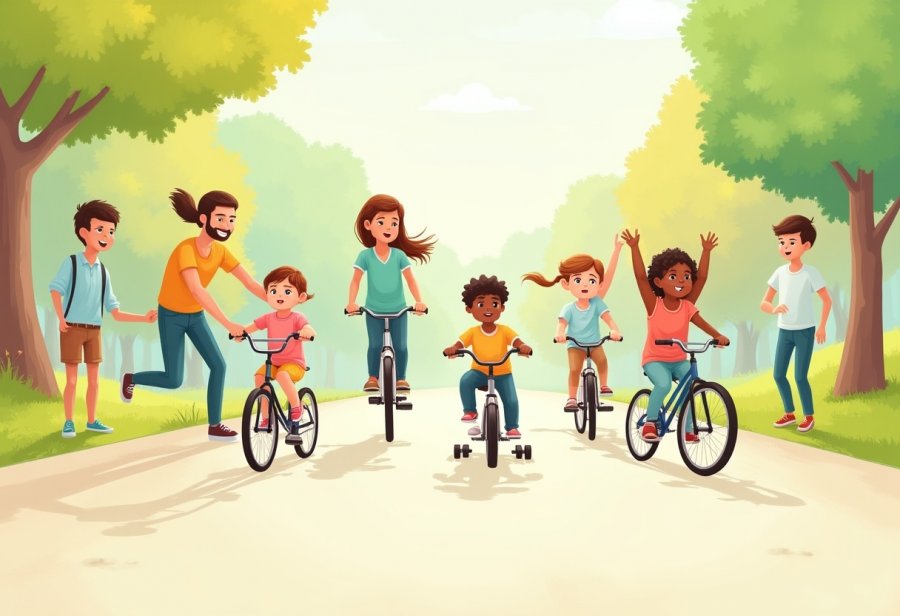
Today, teaching children to ride a bike combines time-honored traditions with modern safety practices that make the process more engaging and secure. Helmets, knee pads, and elbow guards are now standard gear, helping kids feel protected as they learn. These safety measures encourage children to try new skills without the fear of injury, creating a positive environment for growth. Balance bikes and adjustable training wheels are common tools that allow kids to build confidence at their own pace, making the experience less intimidating and more enjoyable.
The focus has shifted from mere mechanics to fostering confidence and independence. Celebrating small achievements—like balancing steadily or pedaling longer—helps children associate cycling with success rather than fear. Community programs and school initiatives provide safe spaces where kids can practice freely, further nurturing their enthusiasm. These environments promote a sense of belonging and support, making learning to ride a shared journey rather than a solitary challenge.
Societal attitudes toward cycling as a key childhood milestone remain strong, but there’s a clearer emphasis on outdoor activity’s benefits for health and social skills. Parents recognize that riding promotes physical fitness and independence, while also offering opportunities for social interaction. Despite ongoing debates about overprotection, most agree that gradual, supervised exposure helps children develop resilience and a healthy attitude toward risk-taking. This balanced approach encourages kids to explore while feeling secure.
Advances in safety gear and teaching methods have made learning to ride less daunting and more accessible. Lightweight helmets and impact-absorbing pads reduce the physical and psychological barriers to trying. Demonstrative guidance from parents and instructors fosters a sense of security, helping children feel supported as they navigate the learning process. These efforts build a positive association with cycling, emphasizing fun and safety in equal measure.
Community organizations play a vital role in promoting safe riding habits. Local cycling clubs, safety workshops, and school programs offer resources like helmet giveaways and safety demonstrations, normalizing cycling as a safe, enjoyable activity. These initiatives help embed biking into children’s routines, transforming it from a risky adventure into a natural part of childhood. Such support networks encourage lifelong habits rooted in confidence and responsibility.
Despite the progress, concerns about injuries still influence parental attitudes. Falls and scrapes can cause hesitation, leading to debates about overprotection versus encouraging healthy risk-taking. Striking the right balance remains a challenge—too many restrictions can dampen enthusiasm, while too few may increase preventable accidents. Finding that middle ground ensures children develop confidence without unnecessary setbacks.
Overall, the way children learn to ride today reflects a broader shift toward responsible independence. Technological innovations and community support create environments where kids can explore safely and confidently. Emphasizing positive reinforcement and safety measures helps lay a foundation for resilience and self-reliance. Cycling remains a cherished childhood milestone that not only teaches physical skills but also fosters emotional growth and lifelong confidence.
Emotional Triumphs and Challenges: Navigating Fear and Excitement
Learning to ride a bike stirs a complex mix of fear and thrill that deeply influences a child’s confidence and family dynamics. The initial anxiety about falling or failing can feel overwhelming, often making children hesitant or even reluctant to try. Yet, when parents and caregivers respond with patience and reassurance, those feelings can transform into a sense of achievement and bravery. Small successes—like balancing for a moment or pedaling independently—begin to reshape how children see themselves, fostering a growing belief in their resilience.
Family support plays a pivotal role in shaping this emotional journey. When parents normalize setbacks as part of learning and celebrate every effort, children develop a healthier attitude toward risk. Shared moments of wobbling, falling, and getting back up create bonds rooted in trust and encouragement. These interactions teach children that setbacks are not failures but stepping stones, building perseverance and emotional strength that extend well beyond the driveway.
The thrill of riding adds an exciting layer to this emotional landscape. As kids master longer rides or explore new terrains, they experience a rush of excitement that fuels their motivation. Overcoming initial fears and feeling that newfound freedom boost their sense of independence and self-efficacy. The pride that comes from conquering challenges reinforces the idea that effort and persistence lead to growth, encouraging them to face future obstacles with confidence.
Shared family moments during bike lessons often become lasting bonding milestones. Whether it’s a parent steadying the bike or siblings cheering from the sidelines, these interactions foster emotional closeness and a sense of security. Recognizing and supporting a child’s fears and successes helps them feel valued and understood, creating an environment where vulnerability is safe and growth is celebrated. This nurturing atmosphere lays the foundation for emotional resilience.
The emotional impact of learning to ride extends beyond immediate confidence. Successfully navigating fears about falling and failing helps children develop a mindset of perseverance and trust in their abilities. They learn that setbacks are part of the journey, not dead ends, which prepares them to tackle other challenges with optimism. This emotional foundation of patience and support empowers children to approach new hurdles with courage.
As children gain confidence on two wheels, they also learn how to manage their emotions when faced with new risks. They discover that fear is natural but manageable, and that thrill often follows effort and persistence. These lessons shape their approach to life’s uncertainties, encouraging a balance between caution and adventure. Family involvement in this process makes the journey less intimidating and more empowering.
In the end, the emotional journey of learning to ride isn’t just about cycling—it’s about building resilience, independence, and trust. When children see their fears acknowledged and their efforts celebrated, they develop a robust sense of self-worth. These experiences foster a mindset that embraces challenges, making them more equipped to navigate the ups and downs of life with confidence, supported by the love and encouragement of their family.
Innovations and Visions: The Future of Childhood Biking and Independence
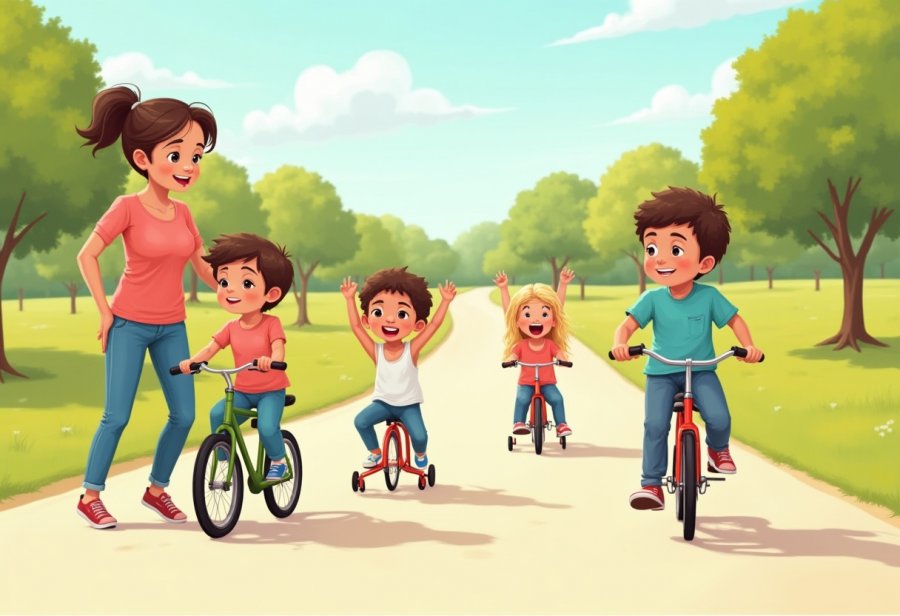
Looking ahead, the future of childhood biking promises exciting innovations driven by technology and a growing emphasis on safety. Smart helmets embedded with impact sensors and real-time feedback are beginning to enter the market, offering young riders a way to develop better habits while giving parents added peace of mind. As these devices become more affordable and widespread, they are likely to become standard gear, making cycling safer and more engaging for children at every stage of learning.
Alongside safety tech, new methods of instruction are emerging that could transform how kids learn to ride. Virtual reality and augmented reality tools offer immersive simulations that allow children to practice balancing and steering in a safe, controlled environment. These virtual experiences can build confidence and reduce anxiety, especially for hesitant learners, by helping them master fundamental skills before venturing outdoors. Such innovations have the potential to shorten learning curves and make riding a more accessible, less intimidating activity.
Urban planning is also evolving to support independent cycling. Cities investing in dedicated bike lanes, safe crossings, and bike parks create environments that encourage kids to explore their neighborhoods freely. These improvements not only enhance safety but also foster a culture where cycling is seen as a routine, healthy part of daily life. As communities become more bike-friendly, children will grow up viewing cycling as an enjoyable, essential skill that promotes both independence and physical activity.
Research continues to reinforce the long-term benefits of early cycling experiences. Evidence shows that children who learn to ride confidently tend to develop better risk assessment skills and a stronger sense of self-reliance. Future studies may reveal even deeper links between childhood biking and emotional resilience, emphasizing how positive early experiences shape lifelong attitudes toward challenges. This ongoing research underscores the importance of fostering safe, supportive environments for young learners.
Personalized coaching apps and data-driven training methods are also on the rise. These tools can track a child’s progress, providing tailored feedback to improve balance, coordination, and safety habits. Such technology makes learning less frustrating and more rewarding, encouraging more children to embrace cycling as a lifelong activity. Parents and instructors can actively support children’s development with insights grounded in real-time data, making the journey to independence smoother and more enjoyable.
Beyond technology, a shift in societal attitudes is nurturing greater acceptance of cycling as a fundamental childhood milestone. Community bike days, safety campaigns, and school programs are increasingly common, normalizing biking as a fun, safe, and empowering activity. These efforts help embed cycling into everyday routines, making it a natural part of childhood development rather than a risky adventure to fear. As this culture evolves, cycling will remain a vital symbol of independence, resilience, and joy for generations to come.
With ongoing advancements and growing awareness, the path forward for childhood biking is rich with opportunity. It’s a future where innovation, safety, and community support work together to inspire confidence and independence in young riders. As children pedal into new experiences, they not only learn a vital skill but also lay the groundwork for resilience, adventure, and lifelong well-being. The journey ahead promises to keep cycling a cherished part of childhood, rooted in fun, safety, and the spirit of exploration.