In a digital age overwhelmed by screens and fleeting interactions, what if the simple act of gardening together could unlock deeper emotional bonds and foster healing? This heartfelt exploration reveals how shared outdoor activities—planting, watering, tending—serve as silent yet powerful languages of trust, patience, and empathy. The garden becomes a sanctuary where vulnerability and genuine connection flourish amid the calming presence of nature, lowering stress and nurturing resilience. Historically rooted in cultures worldwide, communal gardening symbolizes cooperation and renewal, extending its relevance into modern urban life through community plots and online communities. As seeds sprout and blooms flourish, so do relationships, reminding us that growth requires patience and shared effort. Gardening isn’t merely about cultivating plants but about cultivating hearts and minds—offering a tangible path back to connection and emotional healing in an often disconnected world. Could tending to the earth together be the most effective therapy for the soul?
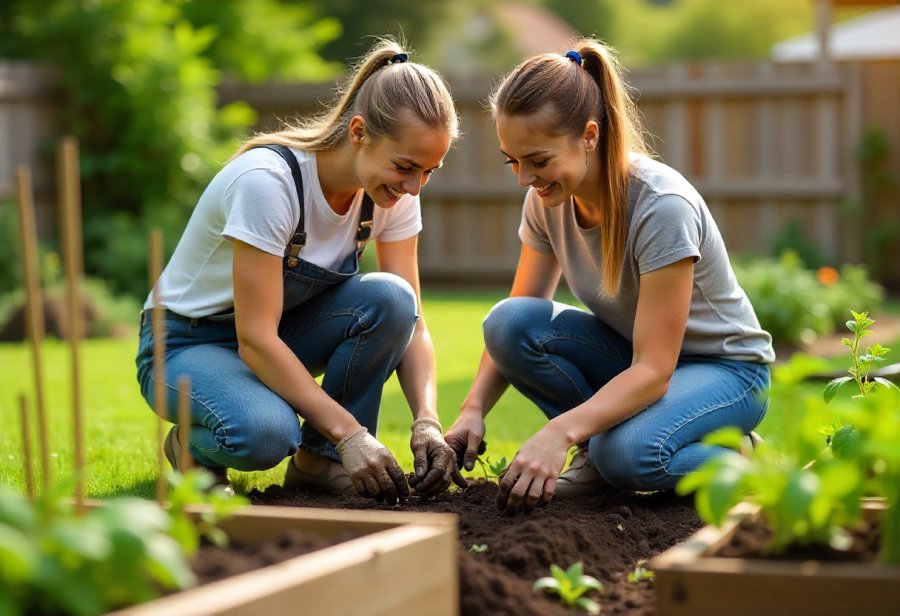
The Healing Power of Gardening Together: Reconnect and Heal in a Digital World
In a world dominated by screens and digital interactions, genuine human connection often feels elusive. We spend hours scrolling through social media, exchanging quick messages, and sharing moments online, but these exchanges rarely match the warmth and depth of face-to-face conversations. Amid this digital noise, gardening together offers a simple yet powerful way to reconnect. It’s a timeless activity that nurtures not only plants but also relationships, creating space for honest communication and shared purpose.
When people work side by side in a garden, something almost magical happens. The act of planting, watering, and caring for life together fosters trust and patience in a natural, effortless way. These quiet, collaborative moments build a foundation of mutual support that can deepen bonds more than words alone. As the garden flourishes, so do the emotional connections, reminding us that caring for something outside ourselves can be a profoundly healing experience.
Gardening provides a peaceful retreat from constant notifications and online distractions. It encourages us to slow down, focus on the present, and reconnect with nature and each other. The physical act of nurturing life becomes a grounding ritual, promoting mindfulness and emotional calm. When shared, these moments open up space for genuine conversations and emotional vulnerability that are often harder to find in everyday life.
Beyond the physical benefits, tending a garden together mirrors our own potential for resilience and renewal. Watching tiny seeds grow into thriving plants reflects the possibility of emotional healing and personal growth. The patience required in gardening teaches us that progress takes time, and that consistent effort can bring about transformation—both in the garden and within ourselves.
Ultimately, the act of gardening side by side reminds us that even in a fast-paced, disconnected world, meaningful bonds can still be cultivated. It’s a gentle act rooted in care, patience, and shared purpose—an invitation to slow down, nurture relationships, and find peace in the simple act of tending to life together.
Historical Roots of Community Gardening: Cultivating Bonds Across Cultures and Time
Gardening has been a fundamental social activity for centuries, extending far beyond practical food production. Across different eras and cultures, communal gardening has served as a powerful way for people to come together, share knowledge, and strengthen bonds. In ancient societies, communal gardens and allotments weren’t just spots for growing crops—they were vibrant gathering places where neighbors worked side by side, building trust and a sense of belonging that often lasted generations.
In many Asian cultures, community gardens have historically been more than just spaces for cultivation; they are woven into spiritual practices and cultural rituals. These shared spaces foster social ties through collective effort and reverence for nature. Similarly, Middle Eastern traditions often regarded shared plots as symbols of cooperation and renewal, reinforcing social cohesion through joint tending of the land. European allotments, meanwhile, became sources of pride and community pride, where the act of gardening was intertwined with identity and collective effort.
As societies progressed and urbanization expanded, the way we garden together evolved. City dwellers now turn to community gardens and neighborhood plots, turning concrete spaces into green havens. These modern gardens continue to serve as vital social hubs, where diverse groups come to grow food, nurture flowers, and connect with nature and each other. Technology has also helped sustain these traditions, with online forums, virtual workshops, and social media connecting gardeners across distances, keeping alive the collective spirit of gardening.
Throughout history, influential thinkers and health advocates have recognized the therapeutic and social power of gardening. Benjamin Rush, for example, appreciated its mental health benefits, laying groundwork for modern therapeutic horticulture. Today, organizations emphasize that working together outdoors can combat loneliness, boost mental well-being, and foster resilience—showing that shared gardening remains a crucial tool for emotional and social healing.
The universal appeal of tending to the earth highlights how deeply rooted this activity is in human culture. Whether viewed as a spiritual ritual, a symbol of community pride, or a simple act of cooperation, gardening has always been a language of connection. Its enduring presence across different times and places underscores a timeless truth: caring for the land is a way to nurture bonds that transcend generations and borders, reminding us of our collective capacity to heal and grow together.
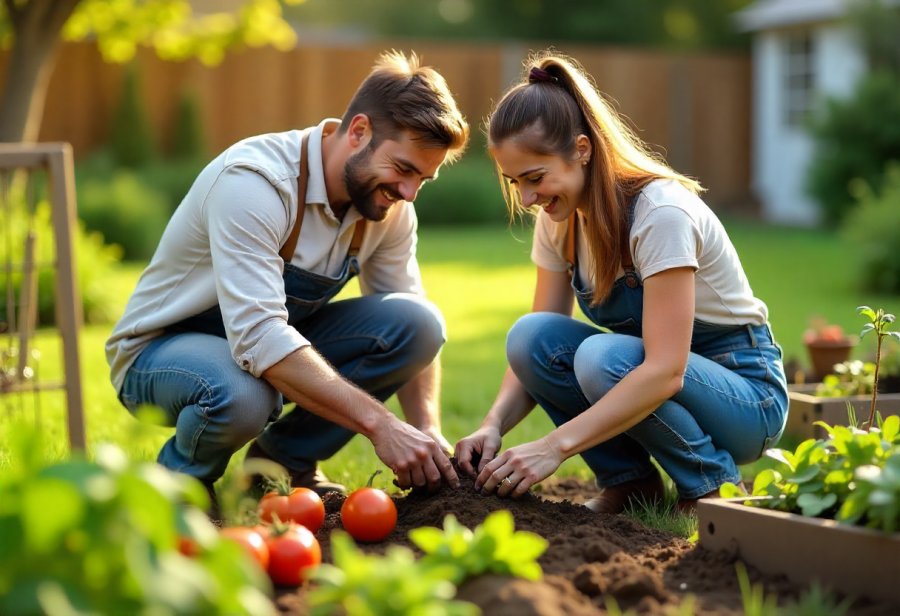
Core Ideas Connecting Gardening, Emotions, and Healing
Gardening and emotional bonding are intertwined through the simple act of caring for living things. When people work together to plant, nurture, and harvest, they’re not just tending to plants—they’re building patience, trust, and empathy. These qualities develop naturally in the shared effort, creating a silent language of support that strengthens relationships over time. The act of nurturing something outside ourselves becomes a metaphor for healing, reminding us that growth and renewal require patience and persistence.
At the heart of gardening’s emotional power is its ability to ground us in the present moment. Engaging with soil, feeling the textures of leaves, and smelling the fragrance of blossoms foster mindfulness and calm. When shared with others, these sensory experiences encourage honest conversations and emotional openness, making it easier to connect on a deeper level. The garden becomes a safe space where vulnerability is welcomed and genuine understanding can flourish.
Gardening also cultivates resilience and hope. Watching a seed sprout and grow involves patience and perseverance, especially when setbacks like pests or bad weather occur. Facing these challenges together teaches teamwork and confidence, reinforcing bonds through shared struggles and successes. The tangible results—flowers in bloom or vegetables ready to harvest—serve as symbols of collective effort and personal growth, inspiring optimism and pride in what can be achieved through care and dedication.
Time outdoors amplifies the healing effects of gardening. Being surrounded by greenery and natural sounds lowers stress hormones and elevates mood. Sharing this peaceful environment encourages open dialogue and emotional exchanges that might be harder to achieve in other settings. As relationships deepen through these quiet, mindful moments, the act of tending to life outside becomes a pathway to emotional renewal, fostering trust and compassion.
Ultimately, the core idea is simple but profound: caring for a garden together nurtures not just plants but the bonds that sustain us. It reminds us that patience, support, and shared purpose are powerful tools for healing. In a world that often pulls us apart, tending a garden side by side offers a gentle, tangible way to reconnect, rebuild trust, and grow stronger—both in the soil and within ourselves.
Real-World Benefits of Shared Gardening: Strengthening Relationships and Well-Being
Sharing a garden isn’t just about cultivating plants; it’s a powerful way to strengthen relationships in everyday life. When couples work together to plant vegetables or flowers, they often find their communication improves naturally. Making joint decisions and solving problems side by side turns routine chores into meaningful bonding moments, fostering trust and patience. Families tending a garden create lasting memories, working as a team and celebrating small victories like a good harvest or a vibrant bloom.
Community gardens exemplify how shared gardening boosts well-being across diverse groups. These vibrant spaces break down social barriers, encouraging interaction and friendship through collective effort. Growing food or nurturing flowers together offers a shared purpose that nurtures emotional health and fosters a sense of belonging. Being outdoors in these green oases provides sensory pleasures—listening to birds, feeling the sun, smelling fresh earth—that help reduce stress and lift moods.
Watching a garden flourish delivers a deep sense of achievement that reinforces emotional bonds. Seeing a seed grow into a lush plant or a ripe vegetable crop sparks pride and shared joy. Celebrating these milestones together builds confidence and deepens connections, making the act of nurturing life a symbol of hope and resilience. The tangible results serve as reminders that patience and care can lead to growth, both in the garden and within relationships.
Practical tips make gardening accessible and enjoyable for everyone. Choosing tasks suited to individual comfort levels ensures participation without frustration. Establishing routines and celebrating milestones keeps motivation high, transforming gardening into a meaningful activity that nurtures both plants and bonds. Simple tools and beginner-friendly resources—local workshops, online forums—encourage newcomers to dive in, making the experience more approachable and rewarding.
Supportive environments like garden clubs or community workshops provide guidance and foster a sense of shared purpose. These resources help beginners overcome barriers, boosting confidence and encouraging ongoing participation. As more people join in, the collective energy and connection grow stronger, turning gardening into a shared journey of healing and growth.
Ultimately, tending a garden together creates a space where trust, patience, and support flourish. It’s a gentle reminder that caring for something outside ourselves can open the door to emotional healing and deeper bonds. In a world often distracted and divided, shared gardening offers a simple, yet profound way to reconnect, rebuild, and nurture hearts alongside plants.
Key Aspects of Garden Bonding: Emotional Connection, Resilience, and Nature’s Healing
Working side by side in a garden naturally deepens emotional bonds because it requires cooperation, patience, and shared effort. As people plant seeds, water plants, or tackle challenges together, trust and understanding grow through these everyday acts. Over time, these shared experiences create a sense of partnership that strengthens relationships beyond the garden, making bonds more resilient and genuine. Caring for something collective becomes a silent language—support without words—that fosters empathy and closer connection.
Nature itself amplifies these emotional ties with its calming, healing presence. Being outdoors among greenery, birdsong, and natural sounds helps lower stress hormones and lift spirits. The sensory experiences—feeling soil, smelling blossoms, listening to rustling leaves—ground us in the present moment. Sharing these calm, mindful encounters encourages honest conversations and emotional openness, making it easier to build trust and vulnerability.
Engaging with nature through gardening also boosts mental health. Digging in the earth and nurturing plants can reduce anxiety and feelings of helplessness. The tangible process of planting and witnessing growth provides a sense of purpose and achievement. When shared with others, these feelings of support and belonging are strengthened. Seeing a seed turn into a flourishing plant or a ripe vegetable crop fosters pride and collective success, reinforcing emotional bonds through milestones and shared effort.
Patience and resilience are core lessons that gardening teaches, essential for emotional healing. Watching a seed sprout and grow takes time, and setbacks like pests or weather challenges test teamwork. Overcoming these obstacles together builds perseverance and confidence. The shared struggles and victories create a sense of shared achievement, reminding us that growth—both in the garden and emotionally—requires ongoing effort and support.
Nurturing life outdoors creates a tangible symbol of hope and progress. Witnessing the results of collective care—vibrant flowers or abundant vegetables—instills pride and a sense of accomplishment. These moments of success deepen trust and mutual respect, transforming routine tasks into meaningful bonds. Caring for the earth thus becomes a quiet act of emotional healing, turning effort into lasting connections.
Time spent outdoors naturally encourages disconnecting from screens and being present. Unlike digital interactions, gardening demands focused attention on natural rhythms and tangible results. This mindful engagement fosters calm and reduces mental clutter. Sharing this peaceful space opens the door for genuine conversations, allowing relationships to deepen through shared vulnerability and understanding.
Finally, the environment of a garden amplifies feelings of support and compassion. As people tend to plants together, they witness the fruits of their joint effort—flowering blooms or healthy vegetables—which reinforces a sense of shared purpose. These moments of collective success foster trust and pride, making bonds more resilient. Caring for the land becomes a gentle act of emotional nurturing, strengthening hearts as much as the plants they tend.
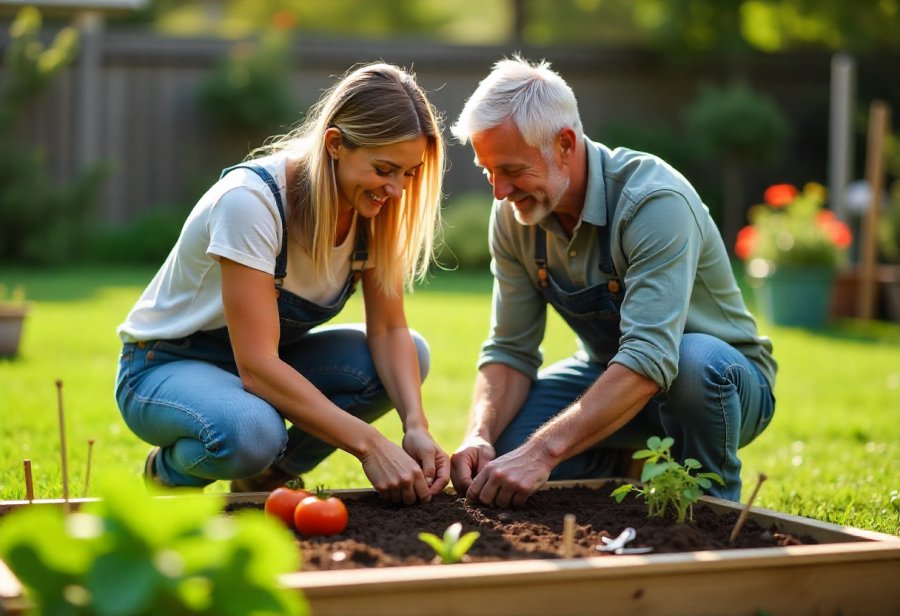
Cultivating Bonds and Healing: The Lasting Impact of Shared Gardening Experiences
Working together in a garden is about more than just growing plants; it’s a quiet act of nurturing relationships and healing emotional wounds. When people collaborate on planting, watering, and caring for a shared space, they build trust and deepen their understanding of one another. These small acts of shared effort lay a foundation of mutual care that extends beyond the garden, strengthening bonds that might have been distant or strained before. Watching a garden thrive because of collective effort serves as a powerful reminder that patience, support, and consistent attention can foster growth not only in plants but in relationships as well.
Gardening encourages us to slow down and be present, creating a space for genuine connection and emotional renewal. As we tend to plants and observe their progress, we become more mindful and tuned in to our surroundings. Sharing this peaceful, natural environment helps open channels for honest conversations and vulnerability, making it easier to foster trust and understanding. In these moments, the garden becomes a sanctuary where emotional wounds can begin to heal, and bonds are strengthened through shared calm and purpose.
Nature’s healing power plays a crucial role in this process. Being outdoors among greenery, listening to birdsong, and feeling the earth beneath our fingertips reduces stress and lifts spirits. When we work side by side in such environments, the sensory experiences deepen feelings of support and safety. Over time, these shared moments of tranquility and effort reinforce emotional resilience, reminding us that care and patience are vital ingredients for healing and growth—both in the garden and within ourselves.
The act of nurturing life outside is a vivid symbol of hope and progress. Witnessing the fruits of collective effort—whether a blooming flower or a bountiful harvest—instills pride and a sense of achievement. These milestones aren’t just about plants; they reflect the strength of the bonds that hold us together. The shared experience of growth and renewal fosters trust, mutual respect, and a deeper connection that can withstand life’s challenges.
Finally, tending a garden side by side becomes a gentle yet powerful act of emotional nurturing. It transforms routine tasks into meaningful rituals, reinforcing the idea that caring for others and ourselves requires patience, consistency, and compassion. In a world that often pulls us apart, these shared moments of growth remind us that healing and connection are ongoing journeys—woven through the simple, profound act of tending to life with someone else.