In today’s competitive business landscape, effective communication is no longer optional but essential. Customized telephony solutions, powered by devices like Grandstream’s versatile IP phones and managed through intuitive platforms such as GDMS, transform mundane calls into strategic assets. But are you fully leveraging these innovations to boost efficiency, scalability, and security? This overview explores how tailored systems enhance seamless collaboration across multiple locations, reduce management complexity, and adapt effortlessly to growth demands. From foundational technologies—like IP and VoIP—to deployment strategies that ensure robustness and privacy, the narrative underscores the importance of proactive management and future-proofing. As artificial intelligence, cloud scalability, and open standards shape the future, the question remains: can your current communication infrastructure evolve fast enough to maintain a competitive edge? Embracing these advancements promises not just improved internal workflows but a significant leap toward delivering superior customer experiences in an increasingly digital world.
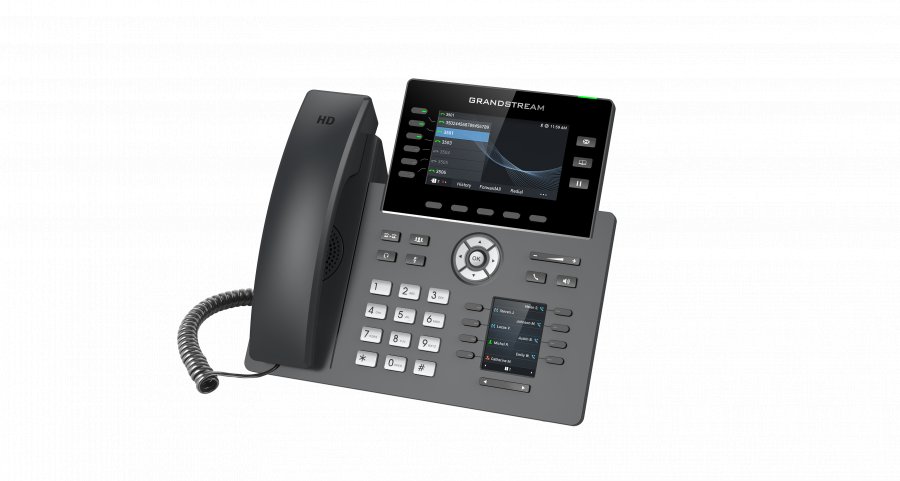
Unlocking Business Success with Customized Telephony Solutions
In today’s fast-moving business landscape, clear and reliable communication isn’t just a perk—it’s a core necessity. Companies that can connect with customers effortlessly and coordinate internally tend to stand out and thrive. This is where customized telephony solutions make a real difference, offering tailored systems that fit a business’s specific workflows and growth plans. Moving beyond generic setups, these personalized networks help organizations operate more efficiently, deliver better service, and remain agile in a competitive environment.
Customized telephony isn’t just about making calls; it’s about creating a seamless communication experience that aligns perfectly with your operational needs. Features like smart call routing, integration with customer management tools, and flexible device management turn simple phones into powerful business assets. When each call is handled according to your unique requirements—whether through auto-attendants, multiple lines, or CRM linkage—you reduce delays and frustration, boosting overall productivity.
As businesses grow, their communication demands become more complex. Off-the-shelf systems often fall short of providing the scalability, flexibility, and reliability needed to keep up. That’s when tailored solutions shine—adapting to your evolving needs without major disruptions. Devices like Grandstream’s IP phones support this flexibility, enabling straightforward configuration and management whether on-site or via cloud platforms, making expansion smooth and cost-effective.
The benefits extend beyond functionality. Customized telephony systems enhance productivity by minimizing downtime and streamlining call management. They foster better collaboration across multiple locations and ensure faster response times, which translates into a stronger customer experience. For small and medium-sized businesses especially, investing in personalized communication infrastructure can be an affordable way to scale operations without sacrificing control or quality.
Modern solutions also challenge the misconception that tailored systems are complicated or expensive. User-friendly devices and cloud management tools, such as Grandstream’s GDMS, simplify deployment and ongoing maintenance. These platforms reduce the need for extensive technical expertise, keeping costs manageable while maintaining system reliability and ease of use. This combination of simplicity and power makes custom telephony accessible for organizations of all sizes.
Ultimately, a well-designed, customized telephony system transforms communication from a basic necessity into a strategic asset. It aligns with your workflows, enhances customer interactions, and adapts seamlessly as your business evolves. Investing in tailored solutions helps ensure your communication infrastructure becomes a competitive advantage—supporting growth, improving efficiency, and laying the foundation for future success.
Building the Foundations of Modern Telephony Technology
Building a solid foundation for customized telephony begins with understanding the core technologies that drive modern business communication. At the heart of this is the IP phone, which converts traditional voice calls into digital data transmitted over the internet. Unlike traditional landlines, IP phones offer enhanced flexibility, scalability, and cost savings, making them ideal for tailored systems. These devices connect via Ethernet or Wi-Fi, integrating seamlessly into existing network infrastructure to support a range of business needs.
Managing these devices efficiently relies on cloud-based platforms like Grandstream’s GDMS. Such centralized dashboards enable remote configuration, monitoring, and updates for multiple phones, reducing on-site maintenance and ensuring consistency across deployments. Whether managing a handful or hundreds of devices, these tools simplify ongoing operations and allow quick adjustments to meet evolving requirements, saving time and resources.
Deployment options vary depending on your organization’s priorities. Some prefer on-premise setups for total control, hosting hardware within their own infrastructure, while others opt for cloud-managed solutions that offer easier scalability and maintenance. Hybrid models combine both approaches, providing flexibility to adapt as your business grows or shifts. Understanding these choices helps you craft a reliable, future-proof telephony system aligned with your operational goals.
A critical aspect of building this system is optimizing your network for voice traffic. Properly configuring bandwidth and Quality of Service (QoS) settings ensures voice data is prioritized, maintaining clear and stable calls even during peak usage. Open standards like SIP (Session Initiation Protocol) facilitate interoperability among devices from different manufacturers, giving you freedom of choice without vendor lock-in. Implementing security measures such as encryption, strong passwords, and regular firmware updates safeguards your communications from cyber threats.
Grasping these fundamental concepts and technologies is essential for designing a robust, scalable telephony setup. This knowledge empowers you to select appropriate devices, plan effective deployment strategies, and manage your network efficiently. By establishing a solid technical foundation, you ensure your communication infrastructure remains adaptable, secure, and capable of supporting your business’s growth, now and into the future.

Seamless Deployment of Personalized Communication Networks
Implementing a customized telephony system starts with a clear plan that aligns with your business’s specific communication needs. Begin by selecting the right devices, such as Grandstream’s versatile IP phones, known for their extensive configuration options and reliability. These phones support a wide range of features that can grow with your organization, making them ideal for scalable solutions. Once hardware is chosen, focus on building a robust network infrastructure. Ensuring sufficient internet bandwidth and configuring Quality of Service (QoS) settings is crucial; prioritizing voice traffic guarantees clear, stable calls even during busy periods, preventing disruptions that could hamper your operations.
Deployments should follow a phased approach, starting with a small pilot project. Introduce a handful of devices in a controlled environment, then test their performance and collect user feedback. This initial step allows you to identify and resolve potential issues early, avoiding widespread problems during full-scale rollout. Using cloud management platforms like Grandstream’s GDMS simplifies this process by enabling centralized control over device configurations, firmware updates, and troubleshooting. Managing everything remotely reduces the need for on-site visits and ensures consistency across multiple locations, saving time and resources.
Once the pilot proves successful, expand your deployment gradually. Document all configurations and procedures meticulously to facilitate replication across additional sites or future scaling. Regularly monitor call quality and network performance to address any issues proactively. Remote management tools allow your IT team to perform updates and resolve problems without disrupting daily operations. This proactive oversight helps maintain system stability and supports long-term growth, making your telephony infrastructure a reliable backbone for business communication.
Security should be integrated into every phase of deployment. Encrypt voice data to prevent eavesdropping, set strong passwords on devices, and keep firmware up to date to patch vulnerabilities. Network segmentation isolates voice traffic from other data streams, reducing security risks and improving call quality. These measures safeguard your communications from cyber threats and ensure privacy, which is vital for maintaining trust and compliance in today’s digital landscape.
Finally, plan for future growth from the outset. Choose devices and management solutions that support open standards and easy integration of new features. A flexible, scalable design allows you to add users or locations without overhauling your entire system, saving time and costs. With thoughtful deployment and ongoing management, your telephony setup can evolve into a strategic asset—enhancing communication efficiency, supporting organizational expansion, and delivering long-term value.
Practical Steps to Implement and Optimize Your Telephony System
Setting up a customized telephony system begins with understanding your specific business needs. Start by selecting the right devices, such as Grandstream’s versatile IP phones, known for their extensive configuration options and reliability. Once you have the hardware, ensure your network infrastructure can handle VoIP traffic effectively by checking your internet bandwidth and configuring Quality of Service (QoS) settings. Prioritizing voice data helps maintain clear, stable calls even during busy periods, preventing disruptions that could slow down operations.
Deploying a small pilot project is a smart first step. Introduce a handful of devices in a controlled environment, then test their performance and gather feedback from users. This approach allows you to identify and fix issues early, avoiding widespread problems during full deployment. Using cloud management platforms like Grandstream’s GDMS makes this process easier by providing centralized control over device configurations, firmware updates, and troubleshooting. Managing everything remotely reduces the need for on-site visits and ensures consistency across locations.
After the pilot proves successful, expand gradually. Document all configurations and procedures to ensure you can replicate the setup across additional sites or scale up without hassle. Keep a close eye on call quality and network performance, addressing issues proactively before they impact your team’s productivity. Remote management tools enable quick updates and troubleshooting, helping your system stay reliable as your business grows.
Security should be woven into every phase of deployment. Encrypt voice data to prevent eavesdropping and set strong passwords on devices. Regularly update firmware to close vulnerabilities and consider network segmentation to isolate voice traffic from other data streams. These steps protect your communications from cyber threats and preserve privacy, which is critical for maintaining trust with your customers and compliance with regulations.
Planning for future growth from the start ensures your system remains flexible. Choose devices and management platforms that support open standards and easy upgrades. This way, adding new users or features won’t require a costly overhaul, saving time and resources down the line. Thoughtful deployment and ongoing management turn your telephony infrastructure into a strategic asset that boosts efficiency and supports your long-term goals.
Monitoring your system continuously helps catch potential issues early. Regular checks on call quality, network performance, and device status keep everything running smoothly. Leverage remote management tools to perform updates and troubleshoot without disrupting daily operations. This proactive approach ensures your communication system stays resilient, even as demands increase.
Security measures should be ongoing. Keep firmware current, enforce strong passwords, and encrypt voice traffic to shield your business from cyber threats. Segment your network to separate voice from data traffic, reducing risks and improving overall call quality. These practices safeguard your investment and ensure your communication channels remain private and reliable.
Finally, stay adaptable. As your business evolves, revisit your telephony setup regularly. Incorporate new features, integrate with other systems like CRM platforms, and explore emerging technologies such as AI-driven call routing. A flexible, well-managed telephony system becomes not just a communication tool but a competitive advantage—supporting growth, enhancing customer experience, and future-proofing your organization.

Future Trends and Innovations Shaping Customized Telephony
The future of customized telephony solutions promises to be more dynamic and intelligent than ever before. Artificial intelligence is set to revolutionize how businesses manage their communications, with smarter call routing that adapts seamlessly to customer needs and voice recognition that quickly identifies callers. Automated systems will handle routine inquiries more efficiently, freeing up staff to focus on higher-value interactions and elevating the overall customer experience.
Cloud technology will continue to expand, offering organizations greater scalability and flexibility. With cloud-managed systems, adding users or new features becomes a matter of a few clicks, often without the need for physical hardware upgrades. This agility allows companies to respond rapidly to market shifts, growth opportunities, or evolving customer demands, making their telephony infrastructure more adaptable and cost-effective.
Interoperability and open standards will be central to future systems, giving organizations the freedom to build tailored communication ecosystems that integrate smoothly with other platforms. Whether linking with CRM tools or third-party applications, open standards ensure that your telephony setup can evolve alongside your business needs, avoiding obsolescence and promoting seamless expansion.
Voice, video, and messaging are converging into unified communication platforms, transforming how teams collaborate and how customers engage. These integrated solutions streamline workflows, foster more cohesive interactions, and enable access across devices and locations. As this integration accelerates, personalized, adaptable telephony systems will be essential in delivering seamless multi-channel experiences that meet modern expectations.
Emerging innovations like AI-powered analytics and voice assistants will provide organizations with invaluable insights into their communication patterns. These tools support smarter staffing, optimized customer engagement, and early detection of operational bottlenecks, all driven by real-time data. Leveraging this intelligence can significantly boost service quality, operational efficiency, and strategic decision-making.
Staying ahead in this rapidly evolving landscape means embracing new tools and platforms early. Cloud-based, open-standard, and AI-driven solutions will become the backbone of resilient, scalable, and user-friendly communication systems. These advancements transform telephony from a simple utility into a strategic asset, empowering organizations to connect more effectively, innovate continuously, and adapt confidently to future challenges.
As technology advances, the role of customized telephony will shift from basic connectivity to a core driver of business agility and growth. With smarter, more integrated, and more secure systems, companies can forge stronger relationships with customers, streamline operations, and unlock new opportunities. Embracing these innovations today sets the stage for sustained success in tomorrow’s digital-first world.