Unveil the extraordinary life and legacy of Alexander the Great, a leader whose relentless ambition and innovative strategies transformed the ancient world. How did a young prince wield battlefield brilliance and cultural vision to carve an empire that bridged East and West? His mastery of tactics—combined with personal charisma—turned seemingly insurmountable odds into decisive victories, while his policies of cultural fusion fostered enduring cities like Alexandria, centers of learning and exchange. But beyond conquest, Alexander’s ability to inspire loyalty and navigate complex political landscapes set him apart as a visionary architect of interconnected civilizations. His legacy, rooted in strategic adaptability, cultural inclusivity, and daring leadership, continues to influence modern notions of empire, influence, and innovation. Could his vision of a unified world offer lessons for today’s leaders striving to unite diverse peoples amid a rapidly changing global landscape?
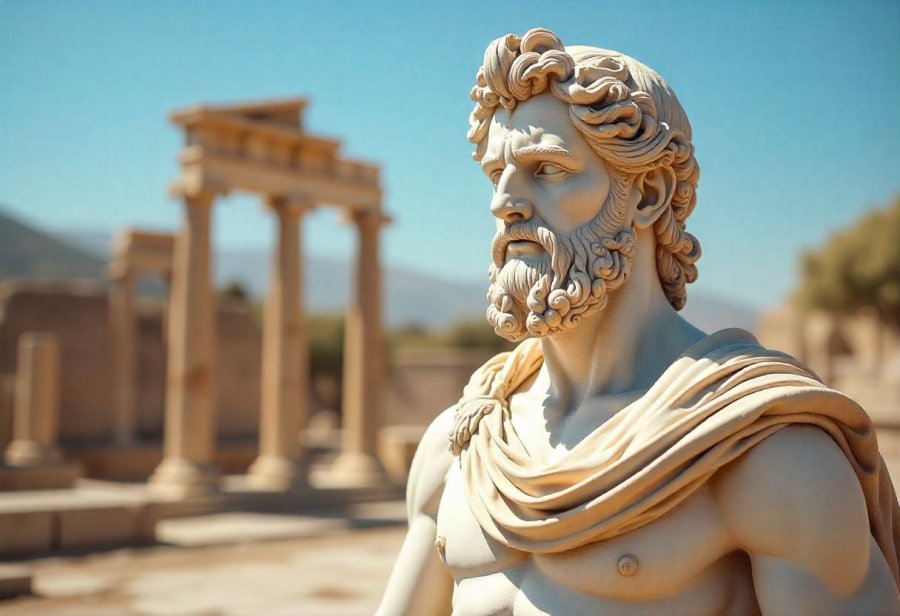
Unveiling Alexander the Great’s Enduring Legacy: Strategies, Ambition, and Transformation
Alexander the Great endures as one of history’s most remarkable figures, not solely for the vast territories he conquered but for the innovative strategies and unyielding ambition that defined his approach to empire-building. His rapid expansion across Greece, Egypt, Persia, and into India within a decade remains extraordinary, yet it is the underlying tactics and leadership qualities that elevate his legacy beyond mere conquest. His story exemplifies how visionary leadership, coupled with military ingenuity, can reshape civilizations and leave a profound imprint on the course of history.
Central to Alexander’s enduring legend is his mastery of battlefield strategy combined with personal charisma. His innovative use of the Macedonian phalanx and swift cavalry maneuvers revolutionized ancient warfare, setting new standards that would influence military tactics for centuries. But equally important was his ability to inspire loyalty and devotion among his troops. His charisma transformed soldiers into a cohesive force willing to undertake arduous marches and face formidable enemies, driven not just by duty but by a shared purpose rooted in his compelling vision.
This vision extended beyond territorial expansion; Alexander sought to forge a new world order where Greek and Eastern traditions could coexist and mutually enrich one another. His campaigns were as much about cultural fusion as they were about conquest. Cities like Alexandria in Egypt became symbols of this blending—serving as hubs of commerce, learning, and cross-cultural exchange. His pragmatic policies of encouraging intermarriage and respecting local customs demonstrated an understanding that lasting empire depends on building bridges rather than walls, fostering loyalty through shared identity and mutual respect.
To appreciate the full significance of Alexander’s influence, we must consider the political landscape of Greece from which he arose. The fragmented Greek city-states—Athens, Sparta, Corinth, Thebes—persistently clashed in warfare and shifting alliances. Macedonia, once seen as peripheral, rose to prominence under Philip II, whose military reforms and diplomatic strategies transformed it into a regional power capable of challenging Greek dominance. Alexander inherited this complex environment, where alliances and rivalries intertwined, shaping his approach to warfare and governance.
His education under Aristotle provided a foundation in philosophy, rhetoric, and science—an unusual combination that broadened his strategic perspective and cultural sensitivity. This scholarly influence complemented his military training, equipping him with the tools to view empire-building as a multifaceted enterprise involving not only conquest but also governance, cultural integration, and social cohesion. From an early age, Alexander observed firsthand the importance of adaptability, learning from his father’s campaigns and diplomatic maneuvers, which emphasized the balance of martial prowess with political skill.
When Alexander launched his campaigns, he did so against a backdrop of a geopolitically volatile world. His initial victory at the Battle of Granicus in 334 BCE showcased his ability to adapt swiftly to unfamiliar terrains and formidable enemies. Employing a combination of disciplined phalanx tactics and rapid cavalry assaults, he exploited terrain and enemy weaknesses with remarkable precision. These tactical innovations allowed him to secure victories in Egypt, Persia, and India, often turning seemingly insurmountable odds into decisive triumphs through a keen understanding of the environment and cultural nuances.
His strategic flexibility and cultural awareness proved vital in dismantling the Persian Empire and establishing a network of cities, trade routes, and diplomatic ties across Eurasia. Cities like Alexandria became centers of learning and commerce, embodying his pragmatic approach to empire management. These urban hubs fostered cross-cultural dialogue and scientific progress, blending Greek, Egyptian, Persian, and Indian influences into vibrant cosmopolitan environments. This strategy aimed to create a resilient, interconnected empire rooted in shared knowledge and mutual influence rather than mere territorial control, laying the groundwork for future civilizations.
In essence, Alexander’s legacy extends far beyond territorial conquest. His innovative strategies, cultural pragmatism, and vision of a unified world reshaped the social, political, and intellectual landscape of the ancient era. The networks and cities he founded fostered an unprecedented exchange of ideas, art, and scientific knowledge, influencing subsequent civilizations for centuries. His ability to synthesize diverse traditions into a cohesive, adaptable empire demonstrated that lasting influence arises from fostering relationships, encouraging dialogue, and embracing complexity—lessons that continue to resonate today.
Origins of Ambition: The Geopolitical Roots of Alexander’s Empire-Building
The roots of Alexander the Great’s ambitions are deeply embedded in the turbulent and often fractured political landscape of ancient Greece, a mosaic of fiercely independent city-states, or poleis, each vying for influence and sovereignty. These city-states—ranging from Athens and Sparta to Corinth and Thebes—were frequently embroiled in warfare, shifting alliances, and strategic rivalries that created an environment of constant tension. Such fragmentation was both a source of vulnerability and a catalyst for unification efforts, as the need for collective strength became increasingly apparent. Macedonia, once regarded as a peripheral and somewhat isolated kingdom, began to rise from the shadows of the southern Greek city-states through the leadership of the Argead dynasty, especially under Philip II. His reforms—military, diplomatic, and political—transformed Macedonia from a marginal land into a formidable regional power capable of challenging the dominance of the traditional city-states.
The Greek political scene remained volatile even after Macedonia’s ascent. Athens and Sparta maintained their long-standing rivalry, each striving to preserve or expand their spheres of influence. Smaller city-states like Corinth and Thebes oscillated between alliances and resistance, often caught in the crossfire of greater powers’ ambitions. The decisive Battle of Chaeronea in 338 BCE, where Philip II’s forces crushed a coalition of Greek city-states, marked a turning point. While it established Macedonian hegemony over Greece, the peace was not stable; beneath the surface, suspicion and resentment simmered. Many Greek cities accepted Macedonian rule out of necessity, yet their resistance persisted in subtle ways, setting the stage for future conflicts. This complex political backdrop defined the landscape into which Alexander was born—one of both opportunity and persistent unrest.
Alexander’s early years were shaped by this fractured environment. Born in 356 BCE in Pella, Macedonia’s capital, he inherited a kingdom on the rise but still entangled in the broader Greek struggles for dominance. His father, Philip II, understood the importance of a broad education, and he entrusted young Alexander to Aristotle, whose teachings covered philosophy, rhetoric, science, and leadership. This scholarly influence complemented Alexander’s military training and provided him with a nuanced perspective on governance and cultural exchange. From an early age, Alexander observed firsthand the delicate balance of power, learning the importance of diplomacy, strategic patience, and the art of persuasion. These lessons would later inform his approach to empire-building, where military prowess was coupled with cultural sensitivity and political acumen.
As Alexander matured, he watched his father consolidate power through a combination of military campaigns, alliances, and marriages that secured Macedonia’s position and expanded its influence. Philip’s campaigns against Thebes and Athens demonstrated the importance of adaptability and strategic innovation—traits that Alexander would later emulate. The education under Aristotle also instilled in him a desire to understand the wider world, fostering curiosity about the diverse cultures and peoples surrounding Macedonia. This intellectual foundation encouraged Alexander to view conquest not merely as territorial expansion but as a means of cultural fusion and political stability. It was this blend of practical military training and philosophical inquiry that shaped his vision of a new, interconnected world.
The geopolitical environment into which Alexander launched his campaigns was inherently complex. His initial victories, such as the Battle of Granicus in 334 BCE, showcased his ability to adapt swiftly to unfamiliar terrains and formidable enemies. Facing the Persian satraps of Asia Minor, Alexander employed innovative tactics—combining the disciplined Macedonian phalanx with rapid cavalry assaults and exploiting terrain to his advantage. These tactical innovations allowed him to secure victories in Egypt, Persia, and India, often turning what seemed like insurmountable odds into decisive triumphs. His capacity to read the environment, understand local customs, and leverage cultural nuances became central to his success, transforming conquest into a process of cultural and political integration.
The broader geopolitical landscape of Eurasia was poised for transformation. Alexander’s campaigns effectively dismantled the Persian Empire, long the dominant power in the Near East, replacing it with a network of interconnected cities, trade routes, and diplomatic ties across vastly diverse regions. Cities like Alexandria in Egypt became more than military outposts; they evolved into vibrant centers of learning and commerce, embodying his pragmatic approach to empire management. These urban hubs fostered cross-cultural dialogue, scientific inquiry, and economic exchange—elements vital to creating a resilient and sustainable empire. Alexander’s strategy of blending military strength with cultural diplomacy laid the groundwork for a new era of interconnected civilizations, where influence and exchange outweighed mere territorial control.
Ultimately, the origins of Alexander’s empire are best understood as a response to the chaos and fragmentation of his world. His rise was not a sudden event but a culmination of inherited ambitions, strategic reforms, and a profound understanding of the geopolitical currents shaping Greece and its neighbors. His education, military innovations, and diplomatic skills enabled him to navigate a landscape fraught with rivalry and suspicion, transforming it into an empire that would leave an indelible mark on history. His pursuit of unity—through conquest, cultural fusion, and adaptive governance—reflected a vision that transcended mere territorial gains. It was a bold attempt to forge a new world order rooted in shared knowledge, mutual respect, and the recognition that true power lies in influence that bridges differences rather than deepening divides.

Leading with Vision: Alexander’s Charisma, Strategy, and Cultural Diplomacy
Alexander’s leadership exemplifies a rare and compelling blend of personal charisma, strategic insight, and unwavering conviction in his grand vision of a unified empire. Unlike many rulers of his era, he possessed an innate ability to inspire loyalty and devotion not merely through military prowess but through a magnetic presence that embodied purpose and confidence. His followers believed in him because he articulated a compelling mission: to transform conquest into a shared journey toward a more interconnected, harmonious world. This sense of purpose galvanized his army, enabling them to endure grueling marches and face formidable foes with remarkable cohesion, driven by a collective belief in their leader’s vision.
His strategic foresight was nothing short of exceptional. Alexander demonstrated an uncanny ability to anticipate challenges well before they fully materialized. Whether on the battlefield or in governance, he read terrain with finesse, understood enemy weaknesses, and often improvised tactics that caught opponents off guard. His decisions were swift and decisive, yet grounded in a nuanced understanding of the environment and cultural context. Even amid chaos, he maintained a calm confidence that boosted morale and kept his forces focused. This mastery of both strategy and psychological warfare allowed him to turn seemingly insurmountable odds into victories, setting a standard of leadership that would influence military thinking for centuries.
What truly distinguished Alexander was his relentless drive—an unshakable belief that a vast, culturally blended empire could be forged through unity and shared purpose. His ambition extended beyond simple territorial expansion; he sought to create a new civilization where Greek and Eastern traditions could coexist and mutually enrich each other. This conviction fueled his campaigns and inspired his followers to push beyond their limits. His vision was pragmatic as well as idealistic: founding cities, encouraging intermarriage, and respecting local customs—all aimed at fostering loyalty and stability across diverse regions. Through these efforts, he demonstrated that empire-building was not merely about domination but about cultivating a resilient social fabric rooted in mutual influence.
Alexander’s charisma complemented his strategic discipline and innovative tactics. He often led from the front, risking his safety to set an example for his troops. This personal bravery reinforced their loyalty and admiration, transforming soldiers into an almost fanatical force committed to his cause. His speeches, acts of heroism, and shared hardships forged emotional bonds that transcended traditional command relationships. These bonds, combined with his clarity of purpose, created a leader who was both a warrior and a visionary—an uncommon combination that inspired unwavering devotion and resilience among his followers. His presence on the battlefield was as much about inspiring confidence as it was about commanding authority.
Beyond military heroics, Alexander understood that empire-building required a nuanced approach to governance. He recognized that true influence depended on cultural diplomacy—respecting and integrating local traditions rather than imposing Greek culture rigidly. His policies of founding cities like Alexandria, encouraging intermarriage, and integrating local elites were pragmatic moves rooted in an understanding that stability arose from mutual respect and shared identity. These strategies fostered loyalty and created a social environment capable of adapting to diverse social fabrics. His pragmatic inclusivity helped forge a resilient empire, rooted in influence, legitimacy, and the ongoing exchange of ideas.
Alexander’s ability to inspire loyalty extended into his personal acts of leadership. He often led by example, risking his own safety in battles and sharing hardships with his troops. This willingness to stand shoulder to shoulder with his soldiers created emotional bonds of trust and admiration, reinforcing their commitment. His speeches and acts of heroism served as powerful symbols that motivated his followers and elevated him beyond mere command—transforming him into a figure of almost mythic stature. This personal connection was crucial in maintaining the cohesion necessary for such expansive campaigns, demonstrating that effective leadership hinges on authenticity and shared purpose.
His visionary approach to empire was also marked by a deep understanding of cultural integration. Rather than impose Greek dominance, he sought to weave together the diverse traditions of the territories he conquered. Cities like Alexandria became symbols of this synthesis—centers where Greek art and architecture coexisted with Egyptian, Persian, and Indian influences. This intercultural dialogue was not superficial; it was a strategic and genuine effort to create a social fabric that was adaptable and resilient. By fostering a shared cultural identity rooted in mutual influence, Alexander laid the groundwork for a lasting legacy that extended far beyond military conquest.
In essence, Alexander’s leadership was a sophisticated fusion of daring vision, tactical brilliance, and cultural pragmatism. His ability to inspire loyalty, anticipate challenges, and adapt swiftly to new environments made him a formidable ruler and military tactician. His relentless pursuit of a greater purpose—uniting the world through cultural fusion and political stability—set him apart from other conquerors. These qualities, combined with his innovative tactics and pragmatic diplomacy, have cemented his legacy as a leader who not only reshaped history but also demonstrated the enduring power of visionary leadership rooted in resilience, influence, and shared purpose.
Shaping World History: How Alexander’s Empire Strategies Created a Cultural Synthesis
Alexander’s strategies of empire-building did more than simply expand territorial borders; they transformed the very fabric of world history by establishing a vast, interconnected network that fostered unprecedented cultural exchange, economic integration, and political influence across Eurasia. His deliberate fusion of Greek traditions with local customs created a vibrant, multicultural environment that not only stabilized his territories but also ignited a dynamic exchange of ideas, art, and scientific knowledge. This blending, often termed Hellenistic, became a catalyst for innovations in sculpture, philosophy, and science—merging Greek rationalism with Eastern mysticism and religious traditions. The enduring legacy of this synthesis is vividly reflected in the artistic and intellectual achievements that persisted long after his death, shaping the evolution of civilizations in ways that continue to influence the modern world.
The dissemination of Greek language, art, and administrative practices across Alexander’s empire laid the foundation for a cosmopolitan world that bridged East and West. Cities like Alexandria in Egypt emerged as centers of commerce, learning, and cross-cultural dialogue, attracting scholars, merchants, and artists from diverse backgrounds. These urban hubs formed a web of interconnected trade routes and knowledge corridors—what we now call the Hellenistic world—that became vital conduits for the flow of goods, ideas, and technologies. This network not only fueled economic prosperity but also created a shared intellectual landscape, fostering scientific progress and artistic innovation that would influence subsequent civilizations, including the Romans and Islamic societies. In this way, Alexander’s vision extended beyond mere conquest to plant the seeds of early globalization, emphasizing influence and exchange over domination.
Alexander’s approach to military and administrative tactics set new standards that echoed through the ages. His emphasis on adaptability, strategic flexibility, and cultural inclusivity demonstrated a pragmatic approach to governance that prioritized stability in diverse and often volatile territories. Rather than rigidly imposing Greek dominance, he integrated local elites into his administration, granting them roles and privileges that fostered loyalty and cooperation. This method of governance created resilient, sustainable structures that endured beyond his lifetime, inspiring future rulers—from the Hellenistic monarchs to Roman emperors—to adopt similar principles. His legacy underscores that effective empire-building involves not only military might but also nuanced diplomacy, cultural sensitivity, and the ability to adapt to complex social fabrics.
The impact of Alexander’s campaigns extended deeply into the fields of science, philosophy, and art. The founding of cities like Alexandria, home to the renowned Library of Alexandria, established hubs where scholars from different traditions could collaborate and exchange ideas. This fertile environment stimulated advances in mathematics, astronomy, medicine, and geography—fields that flourished through the synthesis of Greek scientific inquiry with Eastern wisdom. These centers of learning fostered a spirit of curiosity and innovation that fueled scientific revolutions in later centuries, shaping our understanding of the natural world. The influence of this intellectual cross-pollination created a legacy of knowledge-sharing that transcended borders, fostering a shared human pursuit of understanding that remains relevant today.
Culturally, Alexander’s policies challenged the rigid boundaries that often separated societies in the ancient world. His encouragement of intermarriage, respect for local traditions, and efforts to blend customs created a social fabric more inclusive and adaptable. Cities like Alexandria became symbols of this synthesis, where Greek art and architecture coexisted with Egyptian, Persian, and Indian influences, producing new artistic styles, religious syncretism, and philosophical ideas. This intercultural dialogue not only enriched local traditions but also laid the groundwork for a shared identity across the diverse regions of his empire. The ripple effects of this cultural fusion persisted long after the empire fragmented, influencing religious practices, artistic expression, and social norms in subsequent civilizations, promoting a more interconnected and resilient cultural landscape.
Beyond the material achievements, Alexander’s empire-building introduced paradigms that continue to influence military, political, and cultural strategies today. His mastery of psychological warfare—using bold, surprising tactics to unsettle opponents—became a staple in military doctrine. His capacity to read terrain, adapt tactics swiftly, and employ innovative siege techniques demonstrated a profound understanding of warfare that prioritized psychological advantage alongside brute force. These principles resonated through centuries of military thinking, from medieval sieges to modern campaigns. The core lesson remains that victory often hinges on innovation, cultural understanding, and the ability to adapt—traits that Alexander exemplified in every facet of his leadership. His legacy reminds us that lasting influence depends on fostering relationships, embracing complexity, and continuously innovating in pursuit of strategic goals.

Lessons from a Conqueror: Future Leadership Inspired by Alexander’s Innovation and Drive
Building on the rich tapestry of Alexander’s legacy, examining his methods and mindset offers profound lessons for future leaders navigating an increasingly complex and interconnected world. His unwavering clarity of purpose demonstrates how articulating a compelling vision can unify diverse groups and inspire unwavering loyalty, even amid adversity. Leaders today can draw from his ability to communicate a shared goal that resonates across cultures and social boundaries, transforming conquest into a collective pursuit of a greater good. This clarity acts as a steady compass, guiding strategic decisions and motivating teams through turbulent times.
Alexander’s exceptional adaptability in the face of unpredictable challenges remains a cornerstone of his enduring influence. His campaigns reveal a mastery of tactical flexibility—changing formations, employing innovative siege techniques, and exploiting terrain and enemy weaknesses with daring decisiveness. Modern leaders, confronting rapid technological shifts and shifting geopolitical landscapes, must cultivate a similar agility. Embracing change rather than resisting it allows for turning unforeseen obstacles into opportunities. The willingness to reassess strategies and experiment with new approaches—traits Alexander exemplified—can be the difference between stagnation and breakthrough.
Cultural intelligence emerges as another vital lesson. Alexander’s success hinged on his deep understanding and respect for the customs, motivations, and fears of the diverse peoples within his empire. His policies of founding cities like Alexandria, encouraging intermarriage, and integrating local elites were pragmatic moves rooted in genuine appreciation rather than superficial tolerance. Contemporary leaders can adopt this approach by prioritizing emotional intelligence and cross-cultural understanding. Recognizing the importance of empathy and tailored communication fosters trust and cooperation, laying a foundation for sustainable influence across complex networks of stakeholders.
The relentless drive and daring ambition that marked Alexander’s career remind us that transformational leadership often involves pushing beyond comfort zones and taking calculated risks. His willingness to march into uncharted territories and confront formidable foes underscores the importance of resilience and confidence. Leaders today should see this as a call to develop their own capacity for strategic risk-taking—balancing thorough analysis with bold action. Understanding that innovation often requires stepping into the unknown can propel organizations toward extraordinary achievements, as it did for Alexander on the battlefield.
Innovation in tactics and mindset played a crucial role in Alexander’s conquests. His ability to blend traditional methods with novel approaches—such as integrating the disciplined use of the phalanx with rapid cavalry maneuvers—created a dynamic advantage. Modern leaders must foster environments that encourage experimentation and unconventional thinking. Supporting creative problem-solving and rapid iteration can lead to breakthroughs that outpace competitors. Just as Alexander’s willingness to innovate kept him ahead of entrenched enemies, today’s organizations that embrace a culture of continuous improvement will thrive in a fast-changing landscape.
His personal example of leadership—leading from the front, risking his safety, and sharing hardships—fostered loyalty and emotional bonds that transcended traditional command. Authentic engagement, built on transparency and genuine concern, remains vital today. Leaders who connect emotionally with their teams and inspire a shared mission can galvanize resilience and commitment, even during crises. Alexander’s willingness to stand shoulder to shoulder with his followers reinforces that true leadership is rooted in authenticity and shared purpose rather than mere authority.
Cultural integration was central to Alexander’s empire-building. He recognized that imposing dominance was less effective than weaving together diverse traditions into a cohesive social fabric. Cities like Alexandria exemplified this synthesis—centers where Greek art and architecture coexisted with Egyptian, Persian, and Indian influences. This intercultural dialogue was a strategic and authentic effort to create a resilient, adaptive social environment. Modern leaders can learn from this by fostering inclusive cultures that respect and incorporate different perspectives, building bridges rather than walls in their organizations and communities.
Finally, Alexander’s legacy underscores that influence rooted in mutual understanding and shared purpose endures longer than mere territorial control. His ability to synthesize diverse traditions into a cohesive, adaptable empire offers a blueprint for sustainable leadership. Effective influence today depends on fostering relationships, embracing complexity, and continuously innovating to meet evolving needs. Leaders who focus on building resilient networks based on mutual respect and shared goals will create legacies that transcend fleeting success, shaping a more interconnected and resilient future.