Uncover the true legacy of Cleopatra VII—a ruler often mythologized as a seductress, yet a towering figure of intellect, diplomacy, and strategic brilliance. Far from Hollywood’s glamorous portrayal, she navigated Egypt’s turbulent political landscape with sharp wit and cultural insight, forging alliances through calculated diplomacy and personal relationships with Julius Caesar and Mark Antony. Her leadership was rooted in a passion for scholarship, supporting the Library of Alexandria and engaging directly with science and philosophy, thus elevating Egypt’s cultural stature. This compelling portrait raises the question: was her greatest power her mind, resilience, or diplomatic finesse? Cleopatra’s story challenges stereotypes, demonstrating that true influence stems from wisdom, emotional intelligence, and adaptability—traits still resonant today. Her legacy endures as an inspiring symbol that strength and leadership are rooted in knowledge and resilience, transcending time and gender, and redefining what it means to be a powerful ruler.
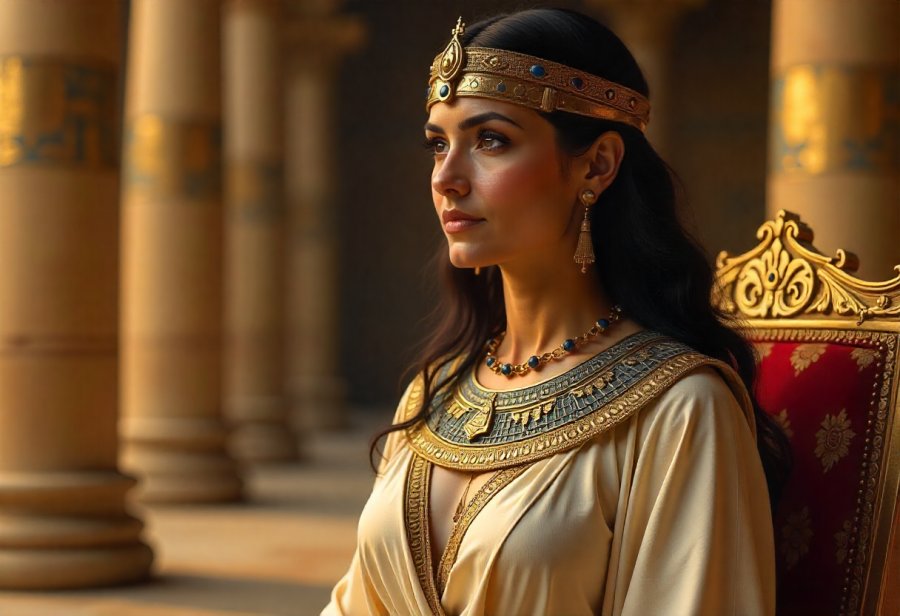
Unveiling Cleopatra VII: Beyond Romance to Intellectual Power
Cleopatra VII is often remembered through stories of romance and glamour, but her true legacy runs much deeper. She was a brilliant strategist and a skilled diplomat whose strength lay in her sharp mind, cultural insight, and adaptability. Far from the romanticized image, Cleopatra was a highly intelligent ruler, deeply engaged with politics, scholarship, and diplomacy. Her ability to navigate the turbulent waters of the ancient Mediterranean highlights her as a leader who prioritized strategic thinking over mere appearance.
Her leadership was rooted in her understanding that power requires more than authority; it demands intelligence and emotional resilience. Cleopatra mastered the art of balancing strength with diplomacy, forging alliances through marriage, negotiation, and cultural exchanges. Her relationships with Julius Caesar and Mark Antony were calculated moves, aimed at securing Egypt’s independence amid mounting external threats. She knew when to assert her authority and when to negotiate, demonstrating a nuanced grasp of political influence.
Beyond her political acumen, Cleopatra was a scholar-queen who valued knowledge as a vital tool for leadership. Fluent in multiple languages and passionate about learning, she supported the Library of Alexandria and promoted scientific inquiry. Her personal pursuits in mathematics, astronomy, and philosophy reflected her belief that a well-educated ruler could better serve her people and defend her kingdom. This dedication to scholarship set her apart from many other monarchs of her time, showing that she viewed wisdom as a source of strength.
Her cultural patronage was more than a display of refinement; it was a strategic move to position Egypt as a hub of learning and innovation. By fostering an environment of intellectual growth, Cleopatra aimed to boost Egypt’s prestige and stability. Her support of science and the arts helped elevate Alexandria as a center of knowledge, attracting scholars from across the Mediterranean. Her leadership demonstrated that a ruler’s greatest power often resides in her mind, in her ability to inspire progress and foster resilience through education and culture.
Understanding Cleopatra’s legacy means recognizing her as a leader who combined political savvy with intellectual depth. Her influence extended beyond territorial control, shaping a lasting image of a ruler who valued wisdom, adaptability, and cultural diplomacy. Her story remains a testament to the idea that true strength comes from the mind—an enduring lesson that leadership rooted in intelligence and resilience can transcend stereotypes and leave a mark on history.
The Turbulent Political Landscape of Egypt and the Mediterranean
During Cleopatra’s reign, the political landscape of Egypt and the broader Mediterranean was anything but stable. Egypt, wealthy and culturally vibrant, faced mounting threats from Rome’s expanding influence, which cast a long shadow over the region. The Macedonian Greek Ptolemaic dynasty, to which Cleopatra belonged, struggled to maintain its independence amid internal rivalries and external pressures. Her early years were marked by court factionalism and power struggles, requiring her to quickly assert authority in a male-dominated environment. Her ability to navigate these challenges was crucial to her survival and her eventual rise to power.
The Mediterranean world was a complex mosaic of competing powers—Greek city-states, successor kingdoms, and emerging superpowers like Rome. Rome’s rapid ascent transformed the political scene, forcing Cleopatra to become a shrewd diplomat. She leveraged Egypt’s wealth, strategic location, and cultural ties to forge alliances that could protect her kingdom’s sovereignty. Her position at the crossroads of these interests meant she had to skillfully balance diplomacy, often using Egypt’s resources as bargaining chips in negotiations with external powers.
Born into the aftermath of Alexander the Great’s empire, Cleopatra’s heritage blended Greek traditions with Egyptian customs. Her education was rigorous, covering rhetoric, philosophy, and sciences—preparing her to lead in a turbulent age. Unlike many predecessors, she valued knowledge highly, understanding that intellectual strength was vital for political resilience. Her deep engagement with scholarship helped her grasp the nuances of governance and gave her a unique edge in the volatile political landscape.
Her rise to power was marked by internal struggles, including rival factions vying for influence and legitimacy. Cleopatra used marriage alliances and diplomatic finesse to consolidate her position, while externally, she faced the threat of Rome’s expansion. Her alliances with Julius Caesar and Mark Antony were strategic moves designed to stabilize her reign and preserve Egypt’s independence. These relationships weren’t just personal; they were calculated statecraft aimed at positioning Egypt as a significant player amid a shifting regional order.
Beyond politics, Cleopatra’s support for Alexandria’s intellectual environment played a key role in her strategy. She championed the Library of Alexandria and fostered scientific inquiry, making Egypt a hub of learning and innovation. Her personal interest in astronomy, mathematics, and philosophy reflected her belief that knowledge was essential to leadership. This focus on scholarship not only strengthened Egypt’s cultural prestige but also reinforced her authority as a ruler who valued wisdom as much as power.
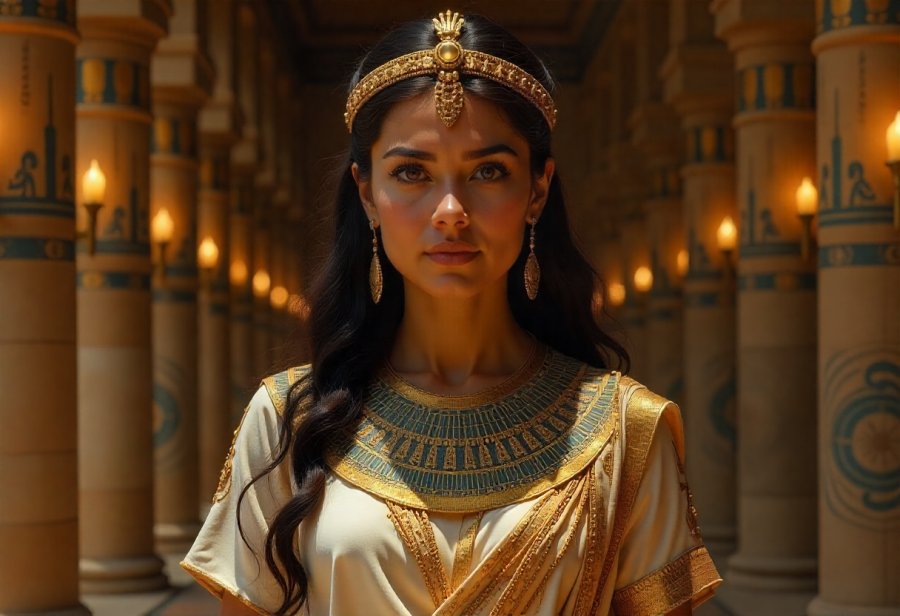
Mastering Diplomacy and Power: Cleopatra’s Strategic Leadership
Cleopatra’s leadership was defined by her mastery of diplomacy and her nuanced understanding of political influence. She recognized early on that personal relationships could serve as powerful tools, and she used marriage, negotiation, and cultural exchange to build loyalty both within her court and among external allies. Her alliances with Julius Caesar and Mark Antony were not mere romantic stories—they were strategic moves designed to strengthen Egypt’s position and secure its independence. Cleopatra knew when to project authority directly and when to hold back, blending strength with diplomacy to maximize her influence.
Her reputation as a shrewd and charismatic leader helped her navigate turbulent times. She was highly perceptive of the shifting political landscape, able to assess her rivals’ strengths and weaknesses with clarity. Her psychological insight and practical diplomacy allowed her to stay a step ahead, often disarming threats before they fully materialized. Cleopatra’s ability to inspire loyalty was rooted not just in her charm but also in her reputation for wisdom and strategic thinking. She understood that influence was built on trust, respect, and the perception of strength.
Cleopatra’s diplomatic finesse extended beyond words. She was a master at gathering intelligence and understanding her enemies’ plans. Her courtiers and spies provided her with vital insights, enabling her to anticipate threats and respond swiftly. This strategic use of information helped her maintain a delicate balance of power. She was adept at controlling the flow of political narratives and shaping perceptions to her advantage, turning information into a tool for influence. Her skill wasn’t limited to forming alliances; it was equally about managing and manipulating perceptions to stay in control.
Her military insight complemented her diplomacy. Cleopatra understood that both naval and land forces were essential to her kingdom’s security. She invested in a capable army and navy, knowing that military strength backed her diplomatic efforts. Her alliances often included military support, ensuring her political agreements carried the necessary force. This combination of diplomatic agility and military preparedness made her a formidable figure in the ancient world, capable of defending her realm while expanding her influence through strategic alliances.
Throughout her reign, Cleopatra demonstrated that leadership required adaptability, emotional intelligence, and patience. She wielded influence subtly, using persuasion and cultural diplomacy to win allies and disarm enemies. Her leadership was rooted in a deep understanding of human nature and power dynamics, allowing her to navigate complex situations with confidence. Cleopatra’s ability to balance diplomacy with strength remains a powerful lesson in leadership—showing that influence often hinges on strategy, resilience, and insight.
By mastering the art of political nuance, Cleopatra transformed her personal relationships into tools of statecraft. Her leadership style was a blend of intelligence, charisma, and strategic patience, enabling her to command loyalty and respect across a turbulent landscape. Her legacy endures as a testament to the idea that true power resides in the mind and the ability to adapt—an enduring blueprint for effective leadership in any era.
A Queen of Knowledge: Cleopatra’s Scholarly and Cultural Legacy
Cleopatra’s legacy as a ruler is deeply intertwined with her passion for knowledge and her support for the arts and sciences. Unlike many monarchs of her time, she believed that intellectual pursuits could strengthen her reign and elevate Egypt’s influence. Her patronage of the renowned Library of Alexandria exemplifies her dedication to fostering an environment where scholars, scientists, and philosophers could exchange ideas freely. She understood that wisdom and innovation were powerful tools in the political arena, and she worked tirelessly to position Alexandria as a hub of learning and discovery.
Her personal engagement with scholarship was remarkable. Fluent in multiple languages, including Egyptian and Greek, Cleopatra communicated directly with scholars from diverse backgrounds, breaking down cultural barriers that often separated rulers from their intellectual communities. Her curiosity and rigorous approach to subjects like mathematics, astronomy, and philosophy set her apart from many of her contemporaries, who relied heavily on advisors. Cleopatra’s hands-on involvement in scientific and philosophical discussions underscored her belief that knowledge was essential for effective leadership.
Supporting the arts and sciences was more than a cultural gesture; it was a strategic move to bolster Egypt’s prestige and stability. By championing learning and innovation, Cleopatra aimed to make Alexandria a shining example of intellectual excellence. Her backing of scientific research helped advance fields such as astronomy and mathematics, further elevating the city’s reputation as a center of knowledge. This commitment to scholarship not only attracted scholars from across the Mediterranean but also fostered loyalty among Egypt’s educated elites, who saw her as a ruler who valued and prioritized learning.
Her role as a learned ruler extended into her diplomatic efforts as well. Cleopatra used her education and cultural influence to forge alliances and promote goodwill with other centers of learning across the region. Her interactions with Greek philosophers and Egyptian priests demonstrated her appreciation for diverse ideas and her ability to leverage culture as soft power. This blend of diplomacy and scholarship made her leadership unique, positioning her as a patron of ideas who understood their power to shape history.
Throughout her reign, Cleopatra demonstrated that true strength lies in the mind. Her emphasis on intellectual pursuits reinforced her resilience and adaptability as a ruler. Her legacy is a testament to the idea that knowledge and culture can be as influential as military might. By fostering an environment of curiosity and innovation, she transformed Egypt into a beacon of learning, leaving behind a cultural and scholarly imprint that endures to this day.
Her example continues to inspire modern leaders and scholars, emphasizing that leadership rooted in education and cultural appreciation offers a lasting foundation for influence. Cleopatra’s dedication to fostering scientific and artistic excellence shows that a ruler’s power can extend far beyond territory—into the realm of ideas and progress. Her life reminds us that wisdom, curiosity, and a commitment to growth are timeless qualities that can shape history and inspire future generations.
In sum, Cleopatra’s intellectual legacy is a powerful reminder that leadership is as much about the mind as it is about authority. Her support for scholarship and her role as a learned monarch helped elevate Egypt’s cultural stature and demonstrated that true influence comes from fostering knowledge and curiosity. Her example continues to resonate, proving that the most enduring power is rooted in the pursuit of understanding and the ability to inspire progress through ideas. Cleopatra’s legacy endures as a symbol of wisdom’s transformative power.
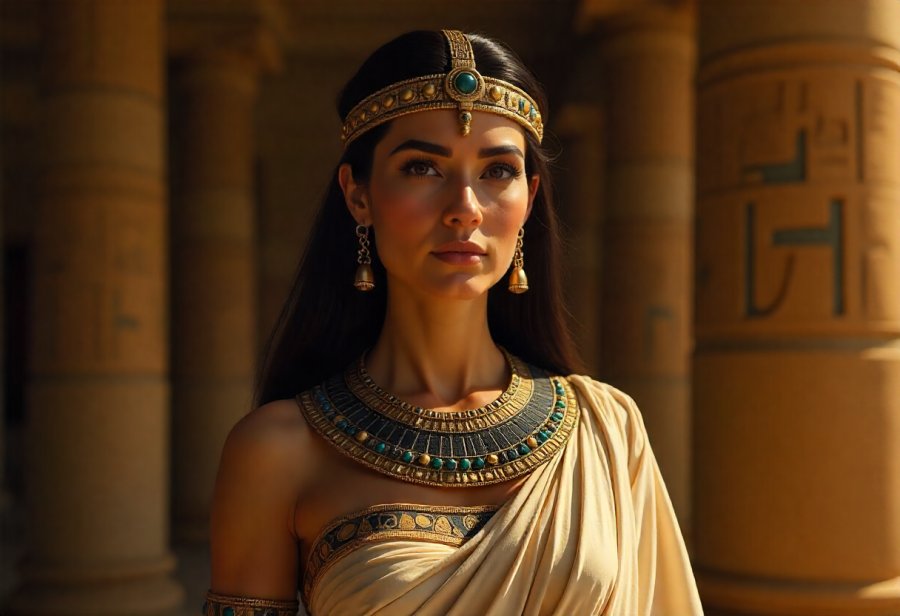
Her Enduring Influence: Cleopatra as a Symbol of Female Leadership and Wisdom
Cleopatra’s leadership and sharp intellect continue to serve as powerful symbols of female empowerment and strategic thinking today. Her ability to navigate complex political landscapes with finesse challenges outdated stereotypes, inspiring a new generation to see strength as rooted in knowledge and emotional intelligence rather than traditional notions of power. Modern scholars and leaders often look to her story as proof that wisdom, resilience, and cultural insight are essential qualities for effective leadership—regardless of gender. As archaeological discoveries and scholarly interpretations evolve, Cleopatra’s legacy is gaining new layers, highlighting her as a pioneer who used her mind as her greatest weapon.
Recent research and new findings reinforce her image as a master diplomat and strategist. Artifacts, inscriptions, and historical texts reveal a woman who wielded influence through intelligence and cultural savvy, reshaping how we understand female power in history. Her story now emphasizes that leadership isn’t just about authority, but about the ability to adapt, build alliances, and influence perceptions—traits she demonstrated in abundance. This perspective resonates strongly today, where soft skills like emotional intelligence and cultural awareness are increasingly valued in leadership roles across sectors.
Cleopatra’s example continues to inspire women in positions of power, showing that capability isn’t determined by gender. Her resilience in the face of external threats and internal rivalries underscores the importance of perseverance, wit, and strategic patience. She embodies the idea that influence stems from a combination of intelligence and character, traits that break through stereotypes and barriers. Her leadership style—balancing diplomacy with strength—serves as a blueprint for navigating today’s complex political and organizational environments, reminding us that authentic influence is rooted in resilience and insight.
As ongoing archaeological efforts uncover more about her personal beliefs and decision-making processes, her image as a resilient, intelligent ruler only strengthens. Future discoveries are likely to deepen our understanding of her diplomatic maneuvers and cultural diplomacy, revealing even more about how she managed to leave a lasting mark. Her story encourages contemporary leaders to prioritize lifelong learning, cultural intelligence, and emotional resilience—traits that remain vital in a constantly changing world. Cleopatra’s ability to adapt and lead with wisdom continues to be a powerful lesson for anyone seeking to make a meaningful impact.
Her enduring influence lies in demonstrating that leadership driven by intellect and resilience can challenge stereotypes and foster progress. She exemplifies that true power isn’t just about authority but about the capacity to inspire, innovate, and persevere. Her legacy reminds us that the strongest leaders are those who combine strategic insight with emotional strength—qualities that transcend time and gender. As her story is revisited and reinterpreted, Cleopatra remains a timeless symbol of what it means to lead with insight, courage, and resilience, proving that the most lasting influence comes from the power of the mind.