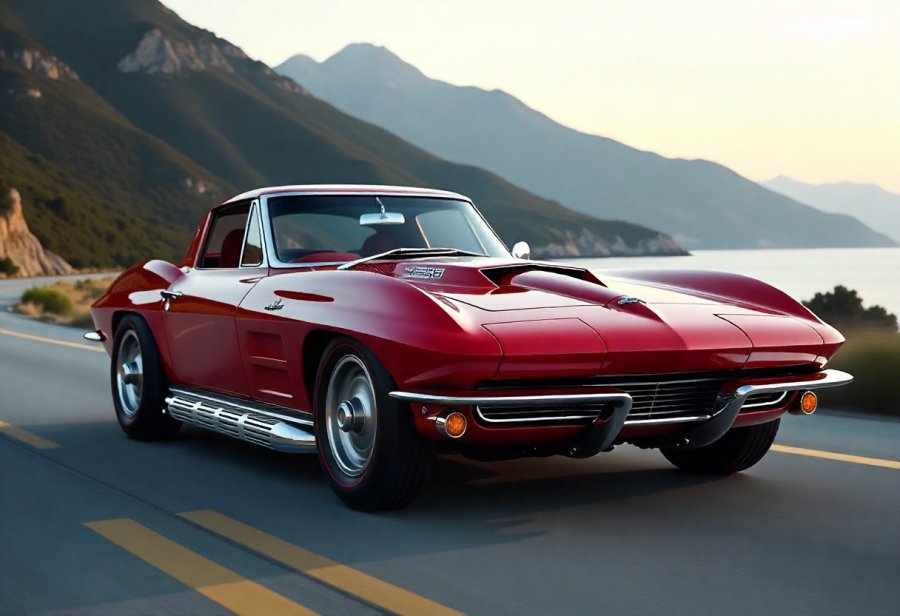
The backyard mechanic’s garage is more than a space for fixing cars; it’s a sanctuary of passion, craftsmanship, and personal expression. This environment, rich with history and culture, symbolizes independence and resilience, transforming rusty relics into stories of love and perseverance. As technology advances, traditional skills blend with digital tools, making restoration more accessible yet still demanding patience and meticulous attention to detail. Online communities and social media now foster a vibrant, global exchange of ideas, turning solitary projects into collective passions. Despite these innovations, the core values of patience, resilience, and dedication remain unchanged—driving hobbyists to push boundaries while honoring tradition. As younger generations bring fresh ideas and sustainable practices, the future of garage restoration looks promising, blending innovation with heritage. But amidst this evolution, what secrets still lie behind the ritual of restoring old machines, and how will the craft continue to thrive in an ever-changing landscape?
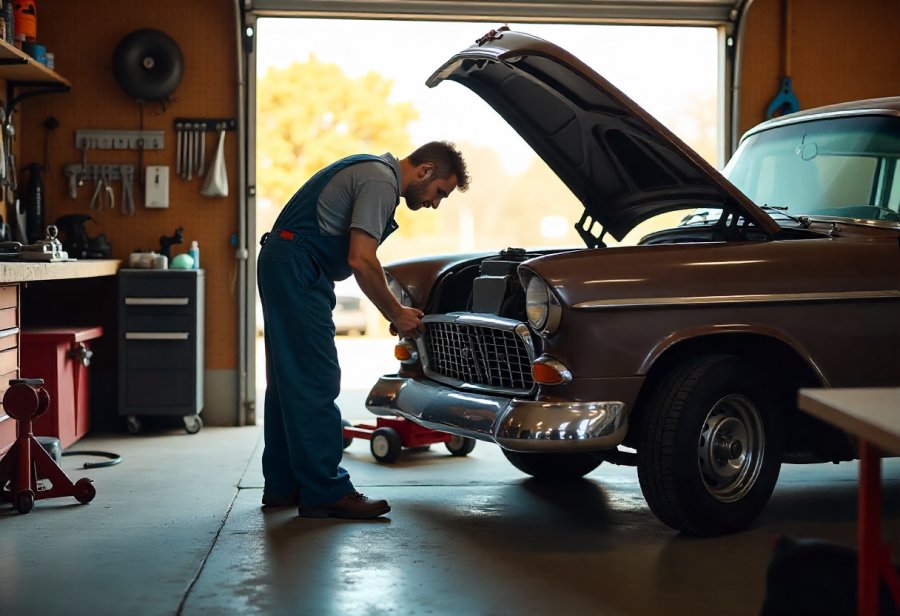
Discover the Personal Sanctuary of Your Backyard Garage
A backyard mechanic’s garage is more than just a shed or storage space; it’s a personal sanctuary where passion for cars and craftsmanship come together. It’s a place where enthusiasts retreat from daily distractions to focus fully on their projects, turning rusty relics into something special. The scent of oil and gasoline, the clink of tools, and the hum of engines create an atmosphere that feels alive with purpose and creativity. Each worn wrench or vintage poster on the wall tells a story, reflecting the owner’s love for mechanics and the history behind each restoration.
This space becomes a mirror of its owner’s personality and dedication. Walls are often lined with memorabilia, and shelves hold carefully organized tools—each one ready for the next task. A well-lit workbench becomes a hub of activity, where patience is tested and skills are refined. In these moments, the garage transforms into a haven of craftsmanship, a place where time slows down and focus sharpens on the intricate dance of restoring a vehicle.
Beyond its practical purpose, the garage symbolizes independence and self-reliance. It’s where knowledge is passed down, secrets of repair are shared, and innovations are born. Restoring a vintage car isn’t just about fixing a machine—it’s about storytelling, resilience, and love for the craft. Every bolt tightened and engine tuned adds to a personal journey, turning the workspace into a sanctuary of growth and achievement.
This environment fosters creativity and experimentation. Whether customizing a classic or testing eco-friendly materials, the garage remains a playground for innovation. Good lighting, organized tools, and a cluttered but purposeful space make it easier to stay motivated. It’s in these details that the true magic happens—setbacks become lessons, and progress feels rewarding. The garage reflects the mechanic’s spirit, fueling every turn of the wrench with passion and inspiration.
Ultimately, the backyard mechanic’s garage isn’t just about cars; it’s about community, identity, and a love for craftsmanship. It’s a space where patience and resilience are cultivated, where stories are written in grease and paint. Here, every project becomes part of a larger narrative—one of dedication, skill, and the enduring joy of bringing old machines back to life. It’s a place where passion is made tangible, a personal retreat that keeps the love for vintage cars thriving.
Tracing the Roots and Cultural Evolution of Private Garages
Private garages have long been more than just sheds for storing vehicles; they have evolved into personal workshops that mirror our independence, creativity, and craftsmanship. In their earliest form, these structures were simple, utilitarian spaces designed primarily to protect cars from the elements and provide a safe spot for basic maintenance. Over time, they transformed into extensions of their owners’ personalities, filled with tools, vintage posters, and mementos that showcase individual tastes and passions. This shift turned the humble garage into a canvas for self-expression and a symbol of pride.
As automobiles became more accessible, so did the desire to tinker and restore them. Hobbyists often started with inherited or junkyard vehicles, learning their craft through hands-on experience, trial, and error. These early enthusiasts weren’t just fixing cars—they were building a community rooted in patience, resilience, and self-reliance. The garage became a sanctuary of learning, where knowledge was passed down and skills were honed with each project, shaping a culture of craftsmanship that persists today.
Media has played a significant role in romanticizing the garage as a space of rebellion and creativity. Films like “American Graffiti” and television shows celebrated the workshop as a personal retreat, inspiring generations to see their garages as places of potential and pride. With the rise of online forums and social media, this spirit has expanded globally—hobbyists now share tips, stories, and advice across digital communities, turning solitary projects into collective passions. These connections amplify the cultural significance of private garages as vibrant hubs of innovation and storytelling.
Community initiatives further cement the garage’s role in cultural identity. Car clubs, local meets, and mentorship programs foster a sense of belonging, transforming individual restoration efforts into shared experiences. These groups celebrate vintage cars, creative modifications, and the joy of bringing rusty relics back to life. The garage becomes not just a workspace but a meeting point—a place where skills are passed down, stories are exchanged, and collective pride is nurtured.
Despite technological advances—such as digital diagnostics and climate-controlled setups—the core values remain unchanged. Patience, craftsmanship, and passion continue to define this space. The garage’s evolution reflects a broader cultural narrative: a place where tradition meets innovation, resilience fuels progress, and personal stories are etched into every restored vehicle. It’s a space that honors the past while embracing the future, ensuring the rich heritage of car restoration endures for generations to come.
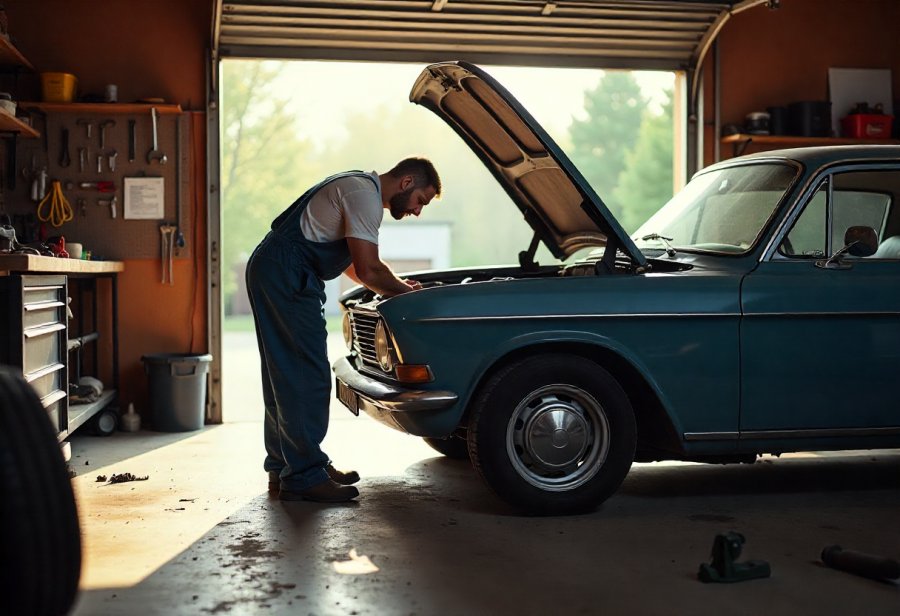
Navigating the Modern Landscape of Car Restoration
The landscape of backyard car restoration has seen significant change in recent years, driven by technological advancements and a digital shift in how enthusiasts learn and share their craft. Modern tools like digital diagnostics, portable lifts, and energy-efficient LED lighting have made repairs more precise and accessible, allowing hobbyists to work more comfortably and confidently in their personal garages. These innovations blend traditional hands-on skills with modern convenience, broadening participation across different skill levels and budgets.
Online communities, forums, and social media platforms now serve as vital resources for restoration enthusiasts. Instead of relying solely on books or trial-and-error, mechanics can watch detailed tutorials, ask questions, and exchange advice with a global network of hobbyists. This instant access to collective knowledge accelerates learning, helping beginners avoid common pitfalls and empowering experienced restorers to refine their techniques. It’s a shift that democratizes the craft, making complex tasks like engine rebuilds and custom fabrication more approachable than ever.
The adoption of new materials and techniques further shapes today’s restoration scene. Rust-proof coatings, high-quality sealants, and advanced fabrication tools enable hobbyists to produce more durable and authentic restorations. Some enthusiasts are exploring eco-friendly options, such as sustainable paints or electric conversions, reflecting a growing awareness of environmental impact. These innovations not only improve the longevity and quality of restored cars but also keep the hobby aligned with modern values and sustainability trends.
Despite the surge in technological tools, the heart of backyard restoration remains rooted in patience and meticulous attention to detail. Hours are spent sourcing rare parts, fine-tuning engines, and perfecting paintwork—each step driven by passion. Online tutorials and mentorships continue to play a key role in passing down skills, blending tradition with innovation. This fusion of old and new keeps the scene lively, inspiring hobbyists to push boundaries while respecting craftsmanship.
However, new technology can introduce practical challenges like limited space and tighter budgets. Creative solutions—such as shared workspaces, community garages, and collaborative projects—are becoming more common. Online resources and local networks foster a supportive environment where hobbyists can troubleshoot, share resources, and keep projects moving forward. This resourcefulness ensures that passion and progress remain achievable, regardless of physical or financial constraints.
The mindset of continuous learning and adaptability is vital. Starting with simpler projects builds confidence, while investing in quality tools and thorough research helps avoid costly mistakes. Online forums, manuals, and tutorial videos serve as invaluable guides, fostering a culture of knowledge-sharing and innovation. This approach keeps restoration fresh and engaging, encouraging new generations to develop their skills and explore new techniques.
Resilience and patience are crucial, especially when setbacks occur. Rushing repairs can compromise quality, so taking time and embracing mistakes as learning opportunities enhance both the process and results. Celebrating small victories along the way—fitting a tricky part or perfecting a paint job—keeps motivation high. This mindset transforms restoration from a stressful chore into a rewarding journey of craftsmanship and personal growth.
As the hobby continues to evolve, the core values of patience, skill, and passion remain central. Technology enhances the experience without replacing the dedication and resilience that define true craftsmanship. The modern landscape of backyard restoration is vibrant and accessible, blending tradition with innovation, and ensuring that the love for vintage cars and mechanical mastery endures for generations to come.
Enhancing Your Hobby: Engagement and Craftsmanship Tips
To truly enjoy and succeed in car restoration, cultivating the right mindset is just as crucial as having the proper tools. Patience and persistence become your best allies, especially when dealing with stubborn rust, missing parts, or unexpected setbacks. Viewing these challenges as opportunities to learn keeps the process engaging and prevents frustration from taking over. Approaching problems with curiosity transforms obstacles into stepping stones, making each hurdle part of your growth as a mechanic and craftsman.
Getting organized is a game-changer. A tidy workspace with tools neatly arranged and easily accessible helps maintain focus and boosts efficiency. Use wall-mounted pegboards, labeled drawers, or a sturdy tool chest to keep everything within reach. An organized environment reduces stress, saves time, and turns what might feel overwhelming into a manageable project. It’s easier to stay motivated when your workspace inspires confidence rather than chaos.
Breaking your project into small, achievable steps prevents burnout and keeps progress steady. Planning each phase—from disassembly to reassembly—creates clarity and reduces mistakes. Keep a journal or digital log of parts needed, tasks completed, and lessons learned. Celebrating small wins, like fitting a tricky part or successfully tuning the engine, fuels enthusiasm and reinforces your commitment. These moments of progress turn a complex project into a series of rewarding milestones.
Connecting with online communities or local clubs transforms restoration from a solo effort into a shared adventure. Sharing your progress, asking questions, and exchanging advice with fellow enthusiasts creates a sense of camaraderie that keeps motivation high. Recognizing that you’re part of a broader network of passionate people turns your garage into a space of collective pride and learning. This support system makes troubleshooting easier and makes the journey more enjoyable.
Injecting creativity into your projects adds a personal touch that makes the process more fulfilling. Custom touches like vintage decals, unique paint schemes, or interior details reflect your style and vision. Experimenting with techniques such as 3D printing for rare parts or exploring new materials can set your restoration apart. Documenting your progress through photos or videos not only preserves your work but also inspires others, strengthening your connection to the craft.
Finally, continuous learning keeps the hobby fresh and exciting. Starting with simpler projects builds confidence before taking on more complex repairs. Invest in quality tools—cheap alternatives often hinder progress or cause damage—and research each step thoroughly. Manuals, tutorials, and forums offer invaluable guidance that helps avoid common mistakes and develop your skills. Embracing mistakes as part of the process fosters resilience, turning setbacks into opportunities for growth. With organization, patience, and a curiosity to learn, your garage becomes more than just a workshop—it’s a space of personal mastery and passion.
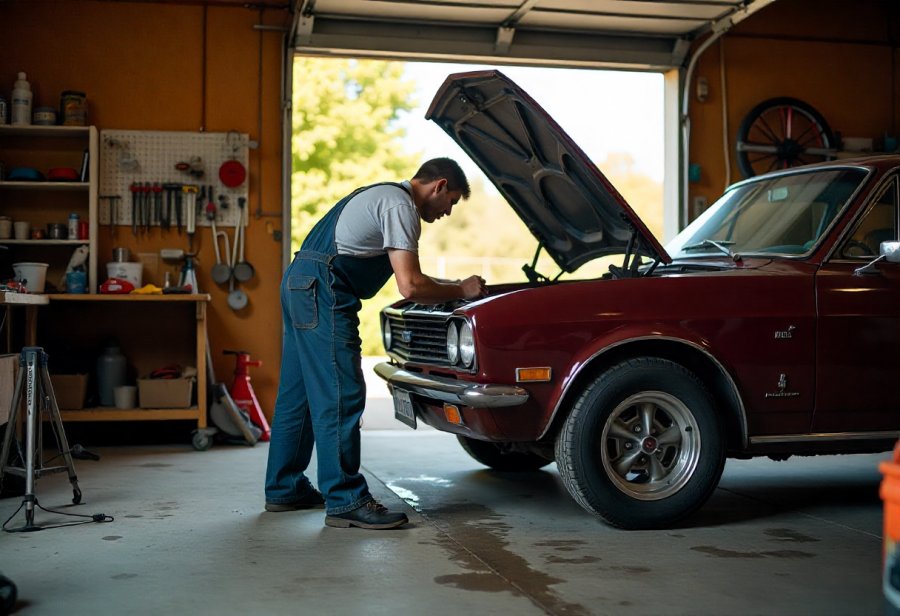
Reflections and Future Directions in Garage Restoration Culture
The culture of backyard garage restoration has grown into a vibrant blend of tradition and innovation. Advances in technology—such as digital diagnostics, portable lifts, and climate-controlled setups—are reshaping how enthusiasts approach their projects. These tools make repairs more precise and accessible, encouraging a wider range of hobbyists to get involved. While the core values of patience and craftsmanship remain unchanged, the way these skills are applied continues to evolve, blending old-school techniques with modern convenience.
Online communities, forums, and social media platforms now serve as essential hubs for sharing ideas, troubleshooting, and celebrating successes. Instead of isolated efforts, hobbyists are connected globally, exchanging advice and stories that inspire and motivate. This digital landscape transforms what was once a solitary pursuit into a collective movement rooted in shared passion and learning. It’s a space where newcomers can find guidance, and veterans can pass down knowledge, ensuring the craft’s ongoing vitality.
Despite these innovations, the heart of garage restoration still beats with patience and resilience. Hours are spent sourcing rare parts, meticulously tuning engines, and perfecting paint finishes. The dedication to detail and quality remains the same, driven by a love for vintage cars and the satisfaction of bringing them back to life. Technology enhances the process but doesn’t replace the patience and resilience that define true craftsmanship. These enduring qualities keep the scene authentic and grounded.
Looking ahead, the future of garage culture appears promising, especially as younger generations bring fresh ideas and energy. They are experimenting with advanced fabrication techniques, exploring eco-friendly materials, and pushing creative boundaries. As tools become more affordable and accessible, more diverse voices join the scene, enriching the collective storytelling. Mentorship and community networks continue to foster skill transfer, ensuring the tradition persists and evolves.
Environmental consciousness is also shaping the future. Hobbyists are increasingly adopting sustainable practices, from electric conversions to resource-efficient restorations. This shift demonstrates that respect for the past can coexist with a forward-looking mindset, blending heritage with innovation. The garage remains a space where personal expression meets responsible craftsmanship, paving the way for a more sustainable hobby that still celebrates its roots.
Fundamentally, the essence of backyard restoration lies in resilience, patience, and passion. No matter how much technology advances, these core values anchor the scene in authenticity. The garage continues to be a sanctuary of storytelling and growth, where each project adds to a larger narrative of dedication and skill. It’s a space where old machines are reborn and new ideas flourish, driven by the love of cars and the joy of craftsmanship.
As the hobby evolves, its strength will come from balancing tradition with innovation. The garage will remain a personal retreat and a community hub, fostering creativity and resilience. With each new project, the spirit of revival endures—proof that the love for vintage cars and mechanical mastery is timeless. This ongoing journey of restoration promises to keep the passion alive for generations, blending the best of what has been with the possibilities of what’s to come.