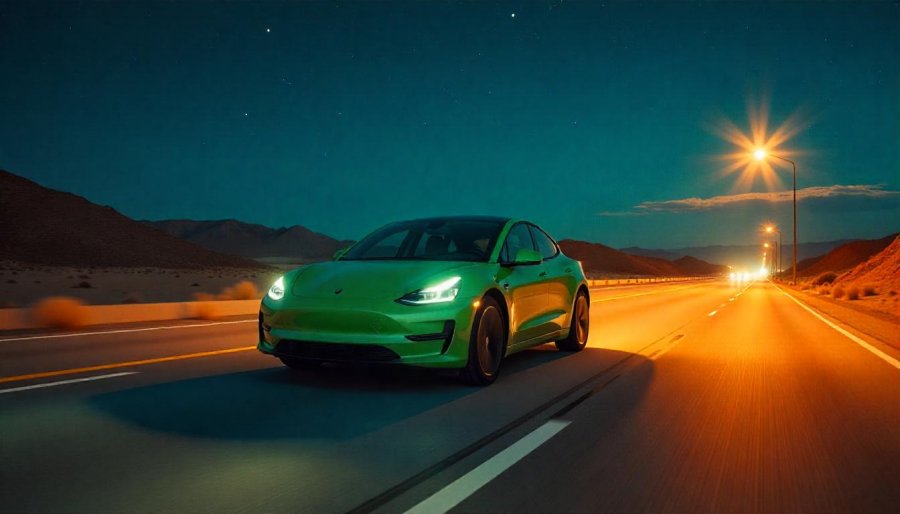
The Ford Mustang stands as an enduring icon of American muscle, symbolizing freedom, rebellion, and innovation since its debut in 1964. Its sleek, muscular design and roaring performance have captivated generations, making it a cultural and automotive legend featured in movies, music, and racing history. But what truly keeps the Mustang relevant today? As it evolves with cutting-edge technology, hybrid and electric models promise to preserve its performance legacy while embracing sustainability. Will the future of this iconic car retain its rebellious spirit in a greener world? With sleek redesigns, advanced connectivity, and electrified powertrains on the horizon, the Mustang’s challenge is to balance tradition with innovation. Its ongoing journey questions whether a symbol of freedom can also lead in sustainability—yet one thing remains certain: the Mustang’s legacy of power and passion is far from over, only poised to write its next chapter.
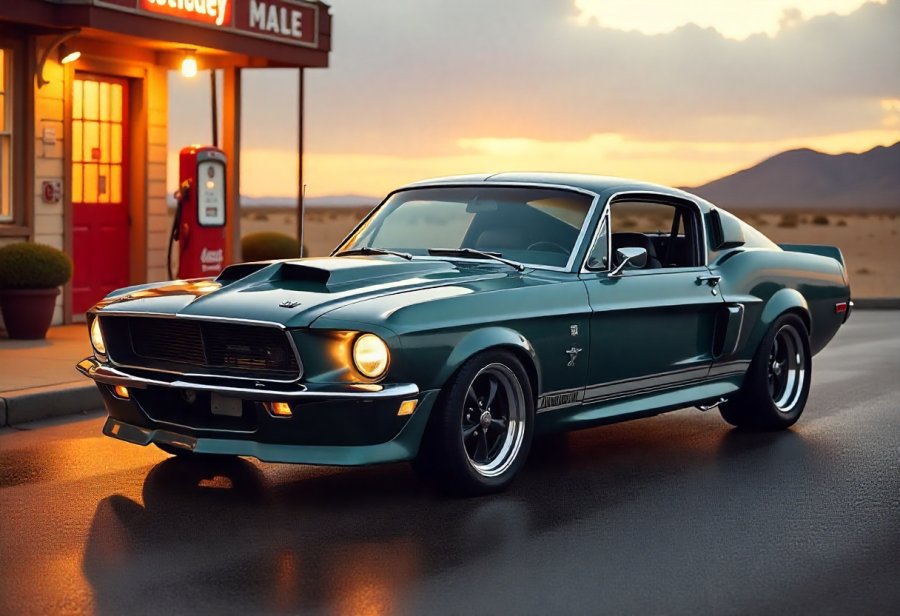
The Mustang as an American Icon of Freedom and Innovation
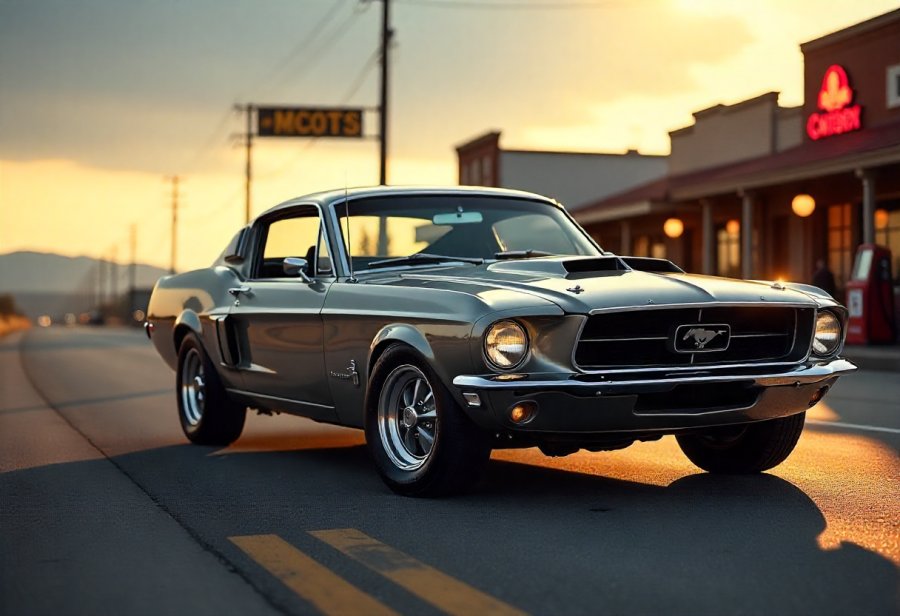
The Ford Mustang isn’t just a car; it’s a symbol that embodies the spirit of American freedom and innovation. Since its debut in 1964, it has captured the imagination of drivers and enthusiasts alike, standing out as a true icon of the muscle car era. Its bold, muscular design instantly signals power and performance, making it instantly recognizable and deeply rooted in American automotive culture.
What sets the Mustang apart is its ability to evoke emotion. It’s more than just a means of transportation—it represents independence, adventure, and the thrill of the open road. Its sleek lines, distinctive grille, and aggressive stance all contribute to a vehicle that feels alive and ready to perform. This emotional connection is why the Mustang has maintained its popularity across generations, becoming a symbol of rebellion and individuality.
Throughout the decades, the Mustang has played a significant role in shaping the identity of American muscle cars. Its early models combined affordable performance with stylish design, appealing to young drivers eager to express themselves. Special editions like the Shelby GT350 and GT500 pushed the limits of speed and handling, further cementing its reputation as a performance powerhouse.
Beyond its technical prowess, the Mustang’s cultural impact is undeniable. It’s appeared in iconic movies, music videos, and TV shows, reinforcing its image as a rebellious and free-spirited icon. Films like “Bullitt” and “Gone in 60 Seconds” showcase the car’s raw power and sense of adventure, making it a staple of Hollywood’s speed and action scenes. This exposure helped elevate the Mustang from a car to a pop culture phenomenon.
The story of the Mustang is also one of continuous evolution. Each new generation has respected its roots while embracing modern technology and design. From classic models with simple yet striking aesthetics to contemporary versions packed with digital features and performance upgrades, the Mustang remains relevant by balancing tradition with innovation.
Ultimately, the Mustang’s significance goes beyond its engineering and design. It represents a way of life—one that celebrates freedom, individuality, and the pursuit of excitement. As an enduring symbol of American resilience and creativity, the Ford Mustang continues to inspire drivers worldwide, proving that true legends never fade but only grow stronger with time.
The Origins, Development, and Cultural Impact of the Mustang
The story of the Ford Mustang begins in 1964, marking a pivotal moment in American automotive history. Ford aimed to create a stylish, high-performance car that was affordable for everyday drivers, and the Mustang quickly became a sensation. Its debut at the New York World’s Fair introduced a new segment—compact, sporty, and highly customizable—that would dominate the emerging “pony car” market. This blend of performance and eye-catching design appealed strongly to young drivers eager to express independence and adventure on the open road.
From the start, the Mustang embodied youthful rebellion and American ingenuity. The first-generation models featured sleek lines, a variety of engine options—including powerful V8s—and a range of special editions like the Shelby GT350 and GT500. These variants pushed performance boundaries, making the Mustang a true muscle car icon. Its ability to combine raw power with distinctive style set it apart from other cars of the era, cementing its reputation as a symbol of performance and individuality.
The 1970s brought challenges, with rising fuel prices and shifting market demands prompting significant changes. The introduction of the Mustang II in 1974 reflected the economic realities of the time—smaller, more fuel-efficient, yet still retaining the Mustang spirit. Despite these shifts, Ford continued to innovate, updating the model with modern technology and fresh styling cues. The late 2000s saw a revival with the fifth-generation Mustang, which drew inspiration from its classic roots while incorporating contemporary design and performance features. This ability to adapt has kept the Mustang relevant across decades.
Throughout its evolution, the Mustang has been heavily influenced by cultural icons and racing legends. Carroll Shelby’s high-performance variants elevated the car’s status, while Hollywood appearances in films like “Bullitt” and “Gone in 60 Seconds” turned the Mustang into a cinematic speedster and symbol of rebellion. These influences helped embed it deeply into American pop culture, making it much more than a vehicle—an enduring symbol of freedom, power, and passion.
Today, the Ford Mustang continues to evolve, balancing tradition with innovation. Modern versions feature sleek aerodynamic designs, advanced technology, and a range of powertrains—including hybrid and electric options—without losing sight of its muscle car roots. Its rich history of performance, style, and cultural impact ensures that the Mustang remains a symbol of American resilience and creativity, ready to inspire new generations of drivers.
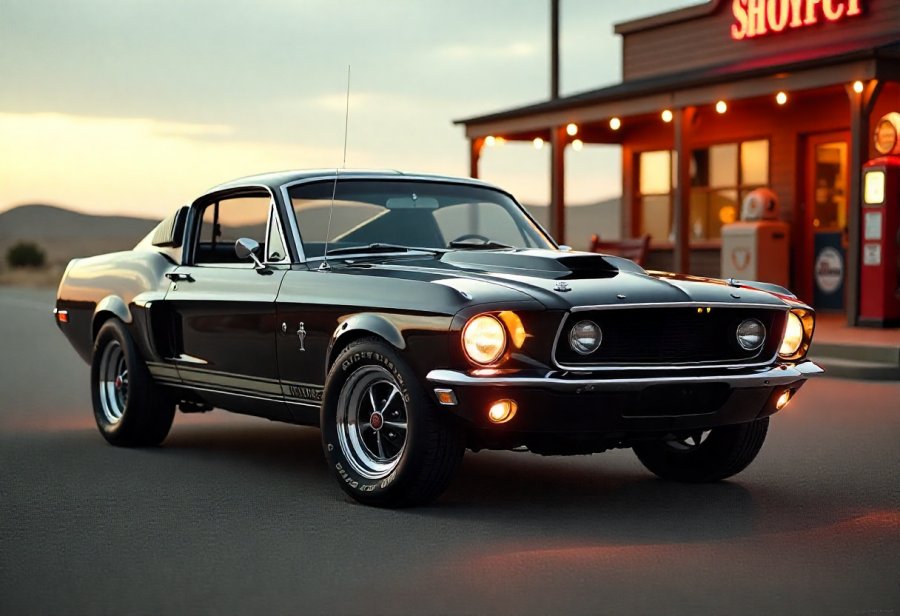
The Modern Face of the Mustang: Performance, Design, and Innovation
Today, the Ford Mustang remains a dominant force in the sports car market, blending its storied past with cutting-edge technology and modern design. Its latest models showcase sleek, aerodynamic profiles complemented by advanced lighting, digital displays, and connectivity features like Apple CarPlay and Android Auto. Under the hood, options range from turbocharged fours to V8s delivering over 700 horsepower in high-performance variants, ensuring the Mustang’s place at the forefront of performance and style.
Ford has continuously refined the Mustang to match evolving consumer preferences without losing its core identity. Recent models incorporate adaptive suspensions, customizable driving modes, and advanced safety features, making the car more versatile and appealing to a broader audience. The introduction of hybrid variants signals Ford’s commitment to innovation, blending traditional muscle with modern sustainability efforts. These developments enable the Mustang to stay relevant amid fierce competition from other high-performance vehicles.
Design-wise, the Mustang balances its classic muscle car cues with contemporary styling. Its aggressive stance, long hood, and distinctive grille evoke nostalgia, while interior upgrades focus on comfort and technology, featuring premium materials and high-tech infotainment systems. Digital instrument clusters and driver-assistance features enhance the driving experience, aligning the car with a digital-first world while preserving its rebellious spirit.
Performance enhancements continue to define the Mustang’s appeal. Sharper aerodynamics, improved handling, and increased efficiency have been priorities in recent redesigns. Ford’s push toward hybrid and electric powertrains promises to revolutionize the model further, offering instant torque, near-silent operation, and zero emissions. Electric variants aim to preserve the thrill of acceleration and handling that enthusiasts cherish, ensuring the Mustang’s performance legacy endures.
The Mustang’s community of enthusiasts and media praise its adaptability. Whether used for daily commuting, weekend cruising, or track days, it commands attention wherever it goes. Ford’s support for aftermarket modifications and racing initiatives keeps the performance spirit alive, fostering a passionate culture that celebrates speed, customization, and innovation. This ongoing evolution ensures the Mustang remains more than just a car—it’s a lifestyle symbol.
As it moves into the future, the Mustang’s challenge is to maintain its iconic status while embracing technological and environmental shifts. Its design will likely become sleeker and more digital, with augmented reality displays and enhanced connectivity becoming standard. The focus on sustainability will push Ford to develop more efficient, electrified powertrains that do not compromise on performance or excitement.
By balancing tradition with innovation, the Mustang continues to inspire new generations of drivers. Its ability to adapt while retaining its rebellious, free-spirited essence keeps it relevant and revered. The ongoing development of electric and hybrid models demonstrates that the Mustang’s legacy is not just about the past—it’s about shaping the future of American muscle cars and high-performance vehicles for years to come.
From Streets to Track: The Mustang’s Role in Daily Life, Racing, and Culture
The Ford Mustang’s versatility makes it a standout in many aspects of American life, from everyday driving to high-performance racing and cultural events. For daily use, the Mustang offers a blend of reliability and excitement that transforms routine commutes into moments of thrill. Its powerful engines, responsive handling, and striking design often turn heads on city streets and suburban roads alike, allowing owners to express their personality and love for performance every time they get behind the wheel.
On the race track, the Mustang’s true performance potential shines. Enthusiasts frequently take their cars to local circuits or organized track days, pushing the limits of speed and handling. With features like sport-tuned suspensions, high-performance brakes, and engine upgrades, the Mustang delivers an adrenaline rush that appeals to amateur racers and professional drivers alike. Many owners participate in racing leagues or time-trial events, fueling a community built around speed, skill, and a shared passion for pushing boundaries.
Beyond racing, the Mustang holds a special place in automotive culture and gatherings. Car shows, parades, and festivals often feature vintage and modern models, celebrating the legacy of this American icon. Restored classics are displayed proudly alongside custom builds, showcasing the creativity and dedication of enthusiasts. These events foster a sense of community, where stories and modifications are exchanged, keeping the spirit of the Mustang alive and evolving.
Customization plays a vital role in the Mustang experience. Owners love to personalize their cars through aftermarket parts—adding racing stripes, upgraded wheels, or performance enhancements—making each vehicle a reflection of its owner’s style and driving preferences. Whether through subtle aesthetic upgrades or extensive mechanical modifications, this culture of personalization keeps the Mustang fresh and exciting, continuously inspiring innovation within its community.
The Mustang’s influence extends into entertainment and media as well. Its appearances in movies like “Bullitt” and “Gone in 60 Seconds” reinforce its image as a symbol of speed and rebellion. Music videos, TV shows, and advertising campaigns further embed the car into popular culture, evoking feelings of freedom and youthful energy. Every sighting or scene featuring a Mustang stirs an emotional connection, reminding us of its legendary status.
Recently, the Mustang’s role has expanded into eco-conscious circles with hybrid and electric variants. These models allow enthusiasts to enjoy the car’s performance and style while reducing emissions and embracing sustainability. This evolution demonstrates Ford’s commitment to innovation, proving that the Mustang can adapt to changing times without sacrificing its core identity. Whether on the street, track, or screen, the Mustang continues to inspire, entertain, and symbolize the enduring spirit of American muscle.
Envisioning the Future: Innovation, Sustainability, and the Next Chapter of the Mustang
Looking ahead, the future of the Ford Mustang is poised to blend its legendary performance with innovative technology and a stronger focus on sustainability. As the automotive industry shifts toward greener solutions, Ford is already developing hybrid and fully electric versions that aim to deliver the same exhilarating driving experience enthusiasts love, but with reduced emissions and improved efficiency. Expect advancements like higher-capacity batteries, lightweight materials, and aerodynamic tweaks that maximize performance while minimizing environmental impact.
Design-wise, the Mustang’s iconic silhouette will likely evolve to stay relevant in a digital-driven world. Sleeker lines, smarter lighting systems, and interior features focused on connectivity and driver engagement are on the horizon. Augmented reality displays, advanced driver-assist systems, and customizable digital dashboards could soon become standard, making every drive more immersive and intuitive. These updates will help keep the Mustang at the forefront of both style and innovation, ensuring it continues to turn heads and inspire.
On the powertrain front, hybrid systems are expected to become more prevalent, offering a balance of muscle car power and fuel efficiency. Fully electric Mustangs promise instant torque, near-silent operation, and zero emissions—without sacrificing the thrill of acceleration and handling that define the model. High-performance variants, such as Shelby and Mach 1, could see electrified revamps that push speed and agility into new territory. This shift isn’t just about meeting regulations; it’s about reimagining what a muscle car can be in a world increasingly focused on sustainability.
Culturally, the Mustang will need to resonate with a new generation that values environmental responsibility alongside performance. Ford’s challenge will be to show that electrified and hybrid models embody the same spirit of freedom, rebellion, and adventure that made the original so iconic. This could involve innovative marketing, racing initiatives, and collaborations that highlight the car’s performance potential in a greener package. By doing so, the Mustang can continue to inspire drivers to pursue their passions while embracing change.
Enthusiast communities will play a vital role in shaping the Mustang’s evolution. From restorers and modifiers to racing teams, many are already experimenting with electrified setups that prove performance and tradition can coexist with progress. Ford’s ongoing support for aftermarket innovations and racing programs will ensure that the car’s performance spirit remains vibrant. As technology advances, the dialogue between innovation and heritage will keep the Mustang relevant, exciting, and deeply rooted in its legacy.
In the end, the Mustang’s future hinges on its ability to adapt without losing its core identity. By embracing electrification, digital connectivity, and sustainable engineering, it can remain a symbol of American resilience and ingenuity. The challenge is to honor its storied past while boldly stepping into a new era—one where performance, innovation, and environmental consciousness go hand in hand. The legacy of the Mustang is far from over; it’s only just beginning to write its next chapter.