Transforming a Toronto yard into a stunning outdoor retreat requires more than just planting flowers or laying paving stones; it’s about crafting a space that balances beauty, sustainability, and personal vision. How can homeowners create environments that are inviting, resilient, and environmentally responsible? This guide explores the art of integrating native plants, eco-friendly materials, and water-efficient features to develop landscapes that thrive in Toronto’s climate while supporting local ecosystems. From thoughtful hardscape design to ongoing maintenance, every decision shapes a space that reflects individual lifestyles and environmental values. As trends shift toward greener, smarter outdoor spaces—driven by new technologies and regional influences—designers and homeowners alike are discovering that beauty and sustainability can go hand in hand. The future of outdoor retreats lies in adaptive, responsible innovation, transforming ordinary yards into enduring sanctuaries that inspire, relax, and protect our planet for generations to come.
Transform Your Outdoor Space with Expert Backyard Makeover Solutions in Toronto
Looking to elevate your outdoor living area in Toronto? Toronto Landscape & Design (TLD) offers exceptional backyard makeover services that combine natural stone features, water gardens, irrigation systems, and retaining walls to create stunning landscapes. Our award-winning designers take everything into consideration, ensuring your yard not only looks beautiful but functions perfectly for your needs. Whether you’re seeking a serene water garden or durable retaining walls, TLD is committed to transforming your outdoor space into a personal oasis. Contact us today at [email protected] or call 1.416.644.0499 to start your backyard transformation in Toronto.
Transforming Toronto Yards into Sustainable Outdoor Retreats
Transforming a Toronto yard into a welcoming outdoor retreat isn’t just about planting flowers or laying down a patio; it’s about crafting a space that feels both beautiful and functional, all while respecting the environment. As homeowners seek to enjoy their outdoor spaces more fully, the challenge lies in balancing visual appeal with sustainability. A thoughtful design considers how each element—from native plants to eco-friendly materials—can work together to create a space that’s inviting, resilient, and environmentally responsible.
Today’s landscape design emphasizes long-term sustainability alongside aesthetics. Native plants, water-efficient features, and sustainable materials aren’t just trends—they’re essential for creating outdoor spaces that thrive in Toronto’s climate. Incorporating these elements allows homeowners to enjoy lush, vibrant yards that support local ecosystems and require less maintenance, making the space both beautiful and eco-conscious.
Designing a successful outdoor retreat also means capturing each client’s unique vision. Some homeowners envision a peaceful sanctuary for relaxation, while others want a lively area for entertaining friends. By listening carefully and integrating personal preferences with sustainable practices, designers can craft spaces that reflect individual lifestyles while remaining environmentally responsible. Engaging clients throughout the process helps ensure the final result exceeds expectations and feels truly personalized.
Understanding Toronto’s climate and soil conditions is crucial to this balance. Native plants that are adapted to the local environment require less water and chemical inputs, supporting biodiversity and reducing long-term costs. Hardscape choices like permeable paving and eco-friendly materials further enhance water management and durability, ensuring the yard remains resilient and low-maintenance over time. When these principles are applied thoughtfully, yards become outdoor sanctuaries—stunning, sustainable, and built to last.
Ultimately, creating an outdoor retreat in Toronto is about more than just aesthetics; it’s a commitment to responsible living that benefits both homeowners and the environment. By combining innovative design with sustainable practices, we can turn ordinary yards into extraordinary spaces—places that inspire, relax, and support a healthier planet for generations to come.
Building Blocks of Effective Landscape Design
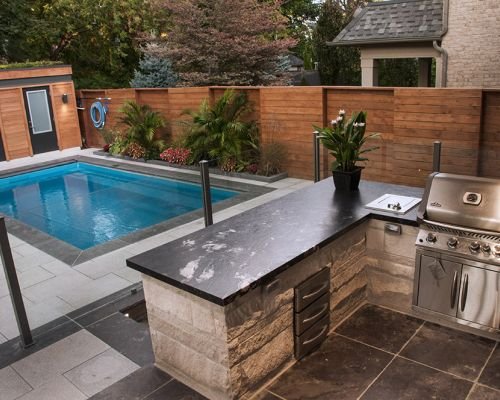
Effective landscape design hinges on a handful of core elements that transform a simple yard into a functional and visually appealing outdoor space. Hardscapes such as patios, walkways, and retaining walls provide structure, defining different zones and guiding movement throughout the yard. Choosing durable, eco-friendly materials for these features ensures they withstand Toronto’s climate while maintaining a cohesive look that complements natural surroundings. Well-designed hardscapes not only enhance aesthetics but also improve usability, encouraging more outdoor activity and flow.
Plants are equally vital in shaping a successful landscape. Native species, in particular, serve as the backbone of sustainable design—they thrive naturally, require less water, and support local wildlife. Selecting plants adapted to Toronto’s seasonal shifts ensures the garden remains vibrant and resilient year-round, reducing the need for intensive maintenance or chemical interventions. This approach creates a landscape that feels rooted in its environment while fostering biodiversity and ecological health.
Water features and lighting act as accents that elevate the overall design. Small streams, ponds, or fountains serve as focal points and attract local fauna, adding tranquility and liveliness. Thoughtful lighting highlights key features and extends outdoor usability into the evening, creating ambiance without overpowering natural elements. When integrated seamlessly, these features enhance both the visual appeal and functionality of the space, making it more inviting and dynamic.
Design influences such as climate, environmental impact, and homeowner preferences shape every decision. Toronto’s weather demands hardy plants and resilient materials capable of handling cold winters and hot summers. Incorporating permeable surfaces and water-efficient systems helps manage runoff and conserve resources. By considering these factors from the outset, each element works together cohesively, resulting in an outdoor retreat that’s both sustainable and tailored to local conditions.
Creating a successful landscape isn’t a one-and-done task; it requires ongoing attention and thoughtful updates. Regular pruning, seasonal planting, and maintenance of hardscape features keep the yard thriving and visually appealing. Opting for native plants and durable materials simplifies upkeep and supports long-term ecological health. When designed with flexibility and resilience in mind, outdoor spaces evolve naturally, providing beauty and function for years to come.
Modern Trends Shaping Outdoor Retreats Today
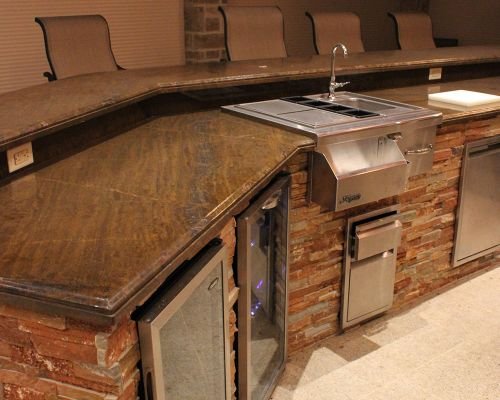
Today’s landscape design scene is more vibrant and adaptable than ever, driven by homeowners eager to create outdoor spaces that reflect their lifestyles and values. No longer are outdoor retreats solely about aesthetics; they now serve as personal havens that combine style, comfort, and ecological responsibility. Features like native plantings and permeable surfaces are not just trendy—they’re essential tools for managing water runoff, reducing maintenance, and supporting local ecosystems. This shift is making outdoor spaces more functional and resilient, aligning beauty with sustainability.
Social media, home improvement shows, and lifestyle magazines heavily influence these trends. Stunning backyard transformations—sleek patios, lush greenery, and smart lighting—set new standards and inspire homeowners to reimagine their outdoor areas. These visuals encourage experimentation and creative thinking, pushing the boundaries of traditional landscape design. But beyond visual appeal, the conversation now emphasizes eco-conscious choices that add long-term value and environmental benefits.
A key debate centers on whether beauty should take precedence over ecological responsibility. Many designers and homeowners now prioritize native plants, permeable paving, and water-saving features, even if it means sacrificing some grandeur. The most successful outdoor spaces blend these elements seamlessly, proving that sustainability and style can go hand in hand without compromise. This approach ensures that landscapes are both visually striking and built to withstand Toronto’s seasonal challenges.
Regional influences and cultural traditions continue to shape modern outdoor aesthetics. While minimalism and hardscape-driven designs are popular, there’s also room for more elaborate, lush styles inspired by European or Asian landscapes. Incorporating water features, symbolic elements, or traditional layouts adds depth and personality, making each retreat unique and meaningful. Recognizing these influences helps designers craft outdoor spaces that feel both contemporary and rooted in cultural richness.
Media platforms like Instagram and Pinterest amplify exposure to diverse styles, sparking creativity and inspiring innovation. Yet, this abundance of ideas can sometimes create pressure to keep up with high standards. The challenge lies in adapting popular trends thoughtfully, ensuring that designs remain practical, sustainable, and personalized rather than just visually impressive. The goal is to create outdoor retreats that are genuinely reflective of the homeowner’s lifestyle and ecological values.
As perspectives continue to evolve, landscape design moves toward greater innovation. New native plants, water-efficient technologies, and eco-friendly materials emerge regularly, offering fresh opportunities to enhance outdoor spaces. Staying open to these advances allows homeowners to update their retreats continually, making them more beautiful, sustainable, and resilient over time. This ongoing evolution keeps outdoor spaces dynamic and aligned with both personal and environmental needs.
Looking ahead, the future of outdoor retreats in Toronto lies in responsible innovation. Combining modern technology—like smart irrigation, solar lighting, and modular hardscapes—with traditional practices creates smarter, greener landscapes. Embracing native plants and resilient design principles ensures these spaces can adapt to climate shifts while remaining inviting and functional. As the landscape field advances, outdoor retreats will become more than just pretty spaces—they’ll be vital ecosystems that support wellbeing, sustainability, and community connection.
Practical Steps to Creating Your Dream Landscape
Transforming your Toronto yard into an inviting outdoor retreat begins with a clear, well-thought-out plan. Start by honestly assessing your space—identify its strengths, weaknesses, and your top priorities. Whether you dream of a cozy lounge area, a low-maintenance garden, or an entertainment-ready patio, knowing your goals helps shape every decision. Sketching a rough layout early on can clarify how different elements will come together, making it easier to set a realistic budget and timeline.
Selecting the right plants and materials is the next crucial step. Native plants are a smart choice—they’re adapted to Toronto’s climate, requiring less water and fertilizers, and support local wildlife. Consulting with local nurseries or landscape professionals can guide you toward species that will thrive with minimal fuss. For hardscape features like patios, pathways, or retaining walls, choose durable, eco-friendly options such as permeable pavers or recycled stone. These materials not only improve water management but also help create a natural, cohesive look.
Breaking your project into phases makes the process more manageable. Start with site prep—clearing, grading, and addressing drainage issues—then move onto hardscape installation before planting and finishing touches. This staged approach allows you to monitor progress and make adjustments as needed. Incorporate sustainable practices early, such as installing water-efficient irrigation systems or drought-tolerant plants, to reduce long-term maintenance and environmental impact. Staying in close contact with your landscape professional ensures your vision remains clear and issues are addressed promptly.
Drawing inspiration from multiple sources—online design tools, local workshops, or visits to community gardens—can help you refine your ideas. Mood boards and visualization software enable you to experiment with layouts and plant combinations before committing. This exploration empowers you to make informed choices that align with your aesthetic and sustainability goals. Remember, a detailed, flexible plan is the foundation of a successful transformation.
Avoid common pitfalls by taking your time with planning. Rushing into installation without assessing soil conditions or drainage can lead to costly mistakes. Choosing plants based solely on appearance without considering their adaptability to Toronto’s climate might result in disappointment. Opting for untested materials or neglecting local environmental factors could compromise your landscape’s resilience. Conduct thorough research and consult experts to ensure your outdoor retreat will thrive for years to come.
Once installed, ongoing maintenance becomes key. Regular pruning, seasonal planting, and routine upkeep keep your landscape vibrant and healthy. Using native plants and durable materials simplifies this process, reducing effort and supporting ecological health. Small, consistent efforts—like mulching, watering during dry spells, and seasonal adjustments—help your yard evolve naturally and remain beautiful over time.
Creating a stunning outdoor retreat isn’t a one-time project; it’s an evolving space that benefits from attentive care and thoughtful updates. As your landscape matures, you may find opportunities to introduce new features or replace elements to enhance functionality and beauty. Staying curious and proactive ensures your yard continues to reflect your lifestyle and environmental values. With patience and dedication, your Toronto outdoor space will remain a vibrant, sustainable sanctuary for years to come.
Embracing Innovation and Sustainability for Future Outdoors
Creating outdoor retreats in Toronto goes beyond fleeting trends; it reflects a deeper commitment to mindful, sustainable living. Homeowners and designers are increasingly recognizing that a beautiful yard can also be a responsible one. Making choices that support local ecosystems, conserve resources, and stand the test of time transforms a simple outdoor space into a lasting sanctuary. When beauty and ecological responsibility come together, they create environments that benefit both the planet and future generations.
The key to achieving this balance lies in continuous innovation. The landscape field is constantly evolving, with new native plants, water-saving technologies, and sustainable materials emerging regularly. Staying receptive to these advances allows homeowners to refine and update their outdoor spaces, making them more resilient, stylish, and environmentally friendly. Think of landscape design as a living process—one that adapts and improves over time rather than a one-off project.
Sustainability should influence every decision, from selecting drought-tolerant plants to installing smart irrigation systems. Small choices add up, reducing environmental impact and lowering maintenance costs. As climate patterns shift, designing resilient landscapes becomes even more critical, ensuring outdoor retreats remain vibrant through changing seasons. A truly successful outdoor space is one that endures, offering beauty and functionality year after year.
Encouraging ongoing curiosity and education helps keep this momentum alive. Workshops, community exchanges, and exploring new ideas foster a shared commitment to responsible design. This collective effort pushes the boundaries of what outdoor spaces can be, inspiring innovation and ensuring landscapes remain fresh, sustainable, and deeply personal.
Technology continues to open new possibilities for sustainable landscapes. Automated irrigation, solar lighting, and modular hardscapes make maintenance easier and more eco-conscious. Embracing these tools not only simplifies upkeep but also enhances resilience, making outdoor retreats smarter and more adaptable. As technological advancements unfold, they will empower homeowners to create outdoor spaces that are both beautiful and environmentally sound.
Native plants will play an increasingly vital role in shaping Toronto’s future landscapes. Their ability to thrive with minimal resources supports resilient, low-maintenance environments that nurture local wildlife and promote ecological health. Expanding their use transforms yards into thriving micro-ecosystems, making it easier to sustain long-term beauty and vitality. Rooted in the local environment, these landscapes offer harmony, durability, and natural appeal.
Looking ahead, landscape design will continue to evolve as a dynamic, responsible practice. Combining innovative materials, traditional wisdom, and cutting-edge technology will lead to smarter, more sustainable outdoor retreats. Experimenting with new layouts and listening to each site’s unique needs will be key. By balancing creativity with responsibility, outdoor spaces will remain inspiring, resilient, and deeply connected to their environment, ensuring they serve and delight for generations to come.