Mastering the art of walking calmly with your dog can transform your daily routine into a peaceful and rewarding experience. When your canine companion walks by your side without pulling or lunging, it fosters trust, enhances focus, and deepens your bond. But how do you achieve this harmony? The key lies in consistency, positive reinforcement, and patience. This guide reveals practical strategies—from choosing the right equipment and establishing routines to gradually exposing your dog to distractions—all designed to turn chaotic walks into moments of mutual trust and joy. Modern training tools and understanding the dog’s perspective help tailor approaches suited to each dog’s personality. Facing common challenges like pulling or overstimulation becomes manageable with calm, assertive leadership. Are you ready to unlock this tranquil connection and make every walk a shared celebration of confidence and companionship?
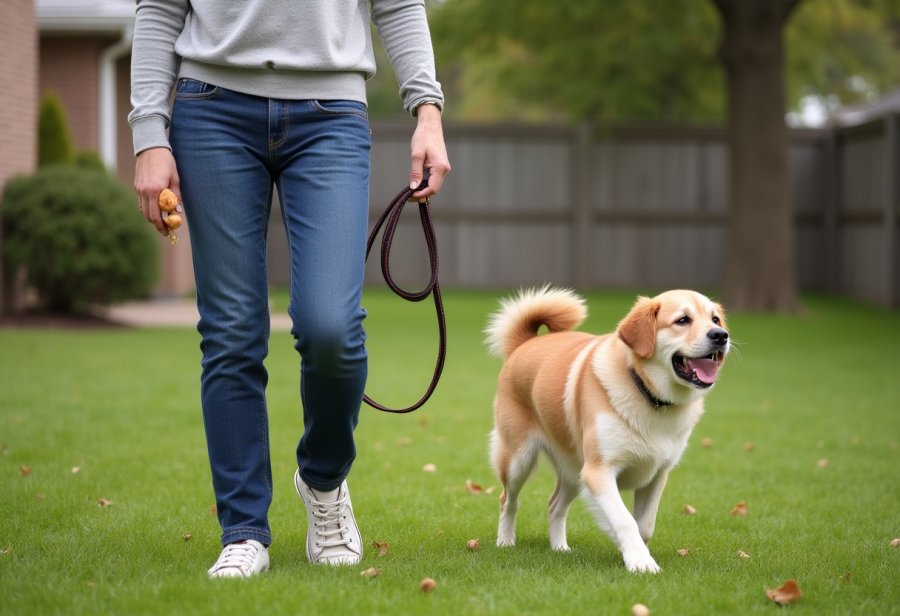
Transform Your Walks: Master Calmness and Connection
Walking calmly with your dog might seem straightforward, but it’s actually a skill that can transform your daily routines. When your dog walks beside you without pulling or lunging, it turns an ordinary walk into a peaceful, bonding experience. These moments become more enjoyable and less stressful, giving both of you a chance to relax and connect. A dog that’s focused and relaxed during walks is more likely to listen to commands and feel confident in new environments, strengthening your relationship.
Mastering calm leash manners isn’t just about obedience; it’s about creating a positive relationship built on mutual trust and respect. When your dog learns to walk politely, they’re showing you they trust your guidance and feel secure by your side. This trust makes walks more than just a routine — they become opportunities for meaningful interaction, deepening your bond beyond everyday outings. The more patient and consistent you are, the more your dog will see walks as safe, enjoyable moments rather than chaotic experiences.
This article is here to help anyone eager to improve their walking routines—whether you’re a new owner, working through behavioral challenges, or simply want more peaceful outings. The techniques shared are practical and accessible, designed to make every walk a chance to foster calmness and trust. Even if your dog gets easily distracted or tends to pull, understanding how to promote relaxed leash manners can make a real difference in your shared experiences.
By focusing on core principles like consistency, the right tools, and positive reinforcement, you’ll discover how small adjustments can lead to big improvements. It’s not about perfection but progress. With patience and effort, your dog will walk confidently by your side, turning everyday outings into moments of mutual trust and joy.
The Roots of Relaxed Leash Manners: A Historical Perspective
Understanding the roots of dog training helps us appreciate why calm leash manners are so important. In the past, dogs were often trained for specific roles like herding, guarding, or working, which required strict control and high focus. These early methods relied heavily on discipline, sometimes harsh techniques that prioritized dominance. Over time, trainers shifted towards more humane, reward-based approaches that emphasize trust and cooperation, recognizing that a positive relationship leads to better behavior.
Modern training builds on this evolution, showing us that dogs respond best when they feel secure and understand what’s expected. Positive reinforcement—using treats, praise, or play—encourages dogs to repeat good behaviors like walking calmly beside you. This approach not only makes training more effective but also deepens your bond, transforming walks from mere obedience exercises into shared moments of connection.
Every dog is unique, with different sensitivities and learning speeds. Some respond quickly to treats, while others need more patience and gradual exposure to new environments. The tools you choose, such as harnesses or training leads, are designed to support gentle guidance without causing discomfort or encouraging pulling. As your dog’s confidence grows, these tools become part of a routine that helps them learn acceptable behavior during walks.
Since dogs are naturally curious and easily distracted, understanding what triggers their interest—like sights, sounds, or scents—can help you prepare. Gradually exposing your dog to these stimuli, paired with positive reinforcement, teaches them to stay focused even amidst distractions. Patience is key; training is an ongoing process of building trust and resilience.
Recognizing the way dog training has evolved allows us to apply gentle, consistent guidance. The goal isn’t dominance but mutual respect and understanding. When your dog learns to walk calmly, it’s a sign of a healthy relationship rooted in communication, patience, and trust. This foundation makes every walk a peaceful, bonding experience that benefits both of you.
Key Elements for Peaceful, Confident Dog Walking
Training for calm and peaceful walks depends on a few key elements working together smoothly. Consistency is essential; using the same cues, like a clear “heel,” helps your dog understand what behavior is expected. When routines are predictable, your dog begins to trust that staying calm and focused will be rewarded, making it easier for them to stay attentive. Pairing this consistency with the right tools, such as a front-clip harness, provides gentle guidance without causing discomfort or encouraging pulling, shifting the focus from force to cooperation.
Positive reinforcement forms the core of effective training. Reward your dog with treats, praise, or play whenever they walk calmly and pay attention. This not only builds confidence but also reinforces good leash manners, gradually turning calm walking into a habit. External distractions—such as other dogs, loud noises, or enticing scents—are often the biggest hurdles. Gradual exposure paired with rewards helps your dog learn to stay focused despite external chaos, strengthening their resilience over time.
Patience is vital; dogs don’t master calm leash manners overnight. Short, frequent training sessions are more effective than lengthy ones, helping your dog absorb lessons without feeling overwhelmed. As they improve, introduce more stimulating environments, like parks or busy streets, to test their focus and resilience. Watching for cues such as pulling or overexcitement allows you to redirect your dog calmly, maintaining a positive and productive atmosphere.
Different training philosophies—reward-based routines or structured commands—can be combined to suit your dog’s personality. Modern tools like training apps or smart collars can offer real-time feedback and motivation, enhancing your efforts. Remember, the goal isn’t perfection but steady progress. Each successful walk where your dog remains calm and attentive deepens your bond, transforming daily outings into shared moments of trust and joy.
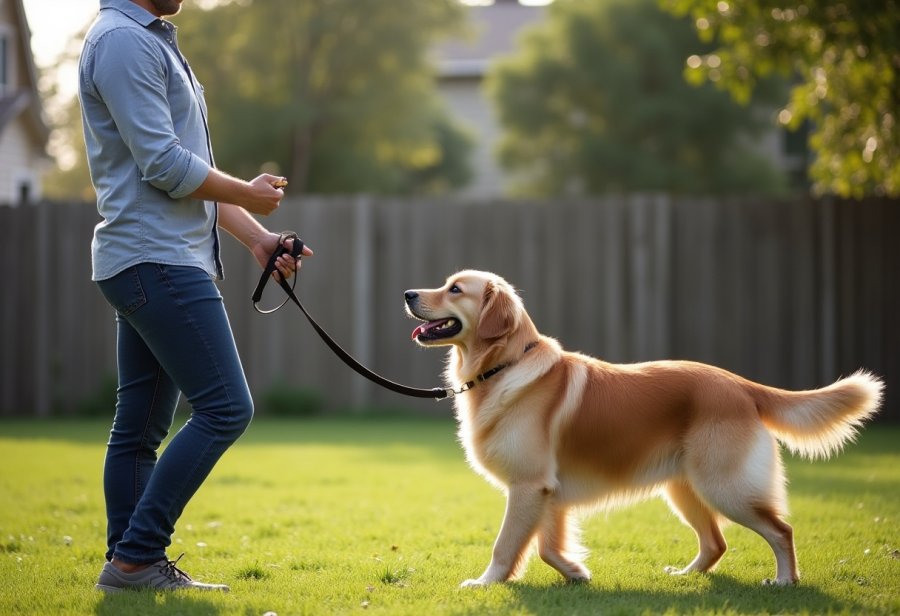
Practical Tips to Apply Calm Training in Daily Outings
To put your training into action during everyday walks, consistency is the foundation. Start each outing with a clear intention, whether it’s practicing the “heel” command or rewarding your dog for relaxed behavior. Stick to the same routines and cues so your dog quickly learns what’s expected. Using treats or praise generously reinforces positive actions and helps your dog associate calm walking with pleasant rewards. Keep the leash loose—tension often encourages pulling—and gently guide your dog back to your side if they stray. Over time, these small cues and routines become second nature, making calm leash manners feel natural.
Short, frequent training moments are more effective than long, sporadic efforts. Incorporate quick exercises like asking your dog to sit or focus on you at key points, rewarding their responsiveness immediately. These mini-training sessions keep your dog attentive and build confidence, especially in more distracting environments. As your dog improves, gradually extend the length of walks and introduce busier settings, like parks or streets with more activity, to strengthen their focus and resilience.
Consistency in commands is crucial. Use specific cues like “heel” or “focus” to create clear expectations. Reward calmness when passing other dogs or loud noises to teach your dog to stay composed despite external stimuli. If your dog becomes overly distracted or pulls, calmly redirect their attention with a treat or a gentle guiding touch. Maintaining a relaxed but assertive attitude encourages your dog to mirror your calmness, fostering trust and cooperation.
Incorporate small exercises at street crossings or when encountering distractions. Asking your dog to sit or stay during these moments reinforces focus and confidence. Pay close attention to your dog’s cues—if they start to pull or become overly excited, calmly steer their focus back with a treat or a calming command. Keeping your tone steady and your posture relaxed sets the tone for a peaceful walk.
Progress may be slow at times, so patience is key. Celebrate small victories and don’t get discouraged by setbacks. Regular practice, positive reinforcement, and a calm attitude turn walks into opportunities for bonding rather than battles. With persistence, your dog will learn to walk politely and focus on you, transforming daily outings into peaceful, shared moments of trust and joy.
Affordable Tools and Resources for Effective Training
Training your dog to walk calmly at your side doesn’t have to be expensive, but it does require some thoughtful planning. Basic gear like a well-fitting harness or a training leash is affordable and can make a big difference, typically costing between $10 and $30. These tools support gentle guidance and reduce pulling without causing discomfort, making your walks more relaxed. Investing in quality treats or praise-based rewards is another budget-friendly step that reinforces good leash manners and motivates your dog to focus.
If you’re interested in professional help, group training classes usually offer a more economical option than private lessons. Many trainers provide discounts for multiple sessions or package deals, helping you spread out costs over time. Online courses, instructional books, and videos are also accessible resources, allowing you to learn techniques at your own pace without a hefty price tag. These resources often include tips on equipment, routines, and troubleshooting common issues, making them a valuable part of your training toolkit.
Local shelters, rescue organizations, and pet clubs often host low-cost or free workshops for new dog owners. These sessions provide practical advice and direct support from experienced trainers, which can accelerate your progress and boost your confidence. Remember, you don’t need expensive gadgets or high-end training aids to get started—consistent, positive reinforcement and patience are your most effective and affordable tools.
Planning your budget before you begin helps prevent overspending on unnecessary items. Focus on essentials like a comfortable harness, treats, and a simple training guide or app. As your skills and your dog’s confidence grow, you can consider additional tools based on your specific needs and training milestones. Keeping your approach straightforward and budget-conscious ensures that training remains sustainable and enjoyable without financial stress.
Step-by-Step Guide to Implementing Your Calm Walking Plan
To put your training plan into action, start each walk with a calm, confident attitude. Set a clear goal—whether practicing the “heel” command or rewarding your dog for relaxed behavior—and stick to it. Consistency is key; using the same routines and cues helps your dog understand what’s expected and builds trust. Keep your expectations realistic, and remember that progress is gradual. Patience and steady leadership will create a positive environment where your dog can learn effectively.
Begin each walk by rewarding your dog for attentive, calm behavior. Use treats, praise, or a gentle touch to reinforce focus and relaxation. If your dog pulls or becomes distracted, gently guide them back to your side without tension on the leash. Short, focused training moments during the walk are more effective than long sessions. These quick exercises keep your dog engaged and help establish good habits without overwhelming them.
Choosing familiar, quiet environments at first sets your dog up for success. As they become more confident, gradually introduce busier settings like parks or streets with more activity. Reinforce calmness in each new situation, rewarding your dog whenever they stay focused despite the distractions. If they start to pull or become overly excited, calmly redirect their attention with treats or a calming cue. Your steady presence will encourage them to mirror your relaxed attitude.
Pay close attention to your dog’s cues throughout the walk. If they begin to pull or get overly excited, pause and gently redirect their focus. Avoid reacting with frustration—your calm, assertive energy will help them feel secure and more willing to cooperate. Consistent, confident leadership fosters trust, making your dog more receptive to training and easier to manage in various environments.
Remember, setbacks are normal and part of the learning process. Celebrate small victories and stay patient, knowing that every walk is an opportunity for progress. With regular practice, positive reinforcement, and a calm demeanor, your dog will learn to walk politely and focus on you. Over time, peaceful, enjoyable walks will become a natural part of your shared routine, strengthening your bond one step at a time.
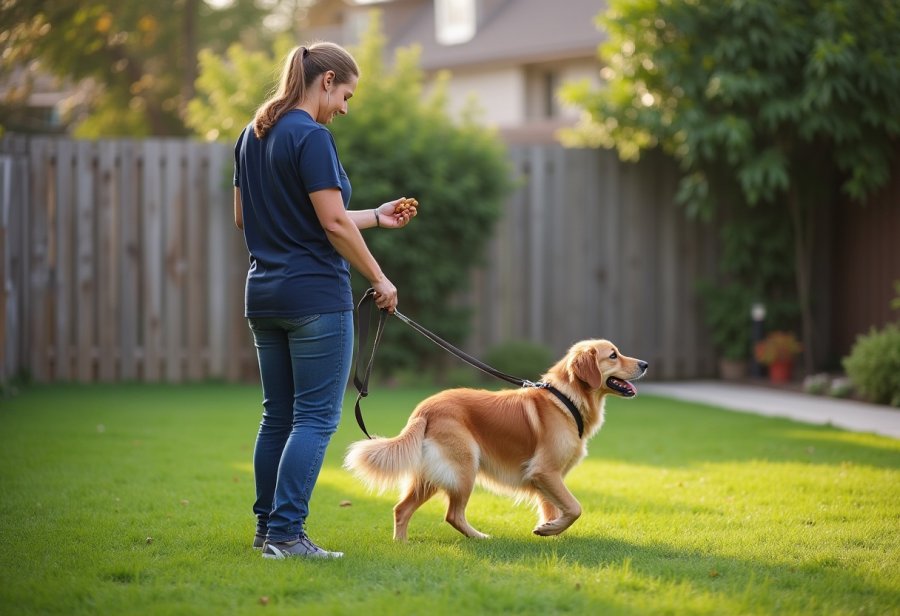
Overcoming Common Challenges on the Path to Peaceful Walks
Training your dog to walk calmly often brings up common hurdles, but knowing how to handle them makes a big difference. One of the most frequent issues is leash pulling, which is usually driven by excitement or curiosity. Using a front-clip harness can help redirect your dog’s focus gently, reducing the urge to pull without causing discomfort. Consistent rewards when your dog walks beside you reinforce good manners, gradually decreasing pulling behavior over time.
Distractions like other dogs, loud noises, or enticing scents can quickly disrupt progress. To manage this, introduce your dog gradually to these stimuli in controlled settings. Start in quiet areas and slowly increase exposure as your dog gains resilience. Pair these experiences with treats and praise to help them stay focused despite external chaos. Patience is key; setbacks are normal, and persistence will pay off.
Overreacting when your dog becomes overwhelmed only worsens the situation. Keep your tone steady and assertive, and if they get too excited, pause and use a calming command like “focus” or “sit.” Reward their effort to remain calm, which teaches them that relaxation leads to positive outcomes. Avoid frustration—your calm leadership provides stability and security.
Boredom or impatience can cause restlessness and pulling. Short, frequent training sessions keep your dog engaged without feeling overwhelmed. Incorporate quick commands or play breaks to maintain interest and confidence, especially in more stimulating environments. Recognize that progress may be slow, but consistency and positive reinforcement will gradually turn your walks into peaceful, bonding moments.
If persistent issues arise despite these efforts, seeking professional help can be beneficial. A trainer can identify underlying problems and tailor strategies specific to your dog’s needs. Sometimes a fresh perspective is all that’s needed to overcome stubborn challenges and move forward confidently.
Remember, reacting with frustration or impatience only confuses your dog. Instead, stay steady and maintain a calm, assertive attitude. Your energy sets the tone, and by projecting confidence, you encourage your dog to mirror your composure. Each challenge is an opportunity to strengthen your bond through patience and clear guidance, leading to calmer, happier walks in the long run.