Discover how Grandstream’s innovative telephony solutions are reshaping the way businesses connect and grow. With a focus on customization, scalability, and ease of deployment, these devices—especially the carrier-grade GRP series IP phones—offer a seamless, unified communication experience. But can traditional systems keep pace with the demands of today’s fast-changing digital landscape? Grandstream’s cloud-managed platforms enable remote configuration, monitoring, and rapid expansion, turning communication infrastructure into a strategic asset. Features like high-definition audio, multiple lines, and security protocols ensure professional-quality calls, even during network congestion. By integrating with CRM and analytics tools, these solutions elevate customer engagement and operational efficiency. Are you ready to transform your network into a resilient, scalable powerhouse that supports your long-term growth? This revolutionary approach to business telephony promises not just connectivity but a competitive edge—if you’re prepared to embrace the future of communication.
Tailored Telephony Solutions: Revolutionizing Business Communication
In today’s dynamic business environment, effective communication is more than just making phone calls—it’s about creating a connection that supports your unique operational needs. Off-the-shelf phone systems might seem like a simple, quick fix, but they often fall short when it comes to flexibility, scalability, and seamless integration. That’s where customized telephony solutions come in, offering a tailored approach that molds to your organization’s specific workflows and growth plans. These systems are designed to adapt, whether you’re managing a remote team, handling high call volumes, or integrating with other digital tools to streamline your operations.
Building a communication infrastructure that’s personalized can significantly boost productivity and improve customer experiences. When features like call routing, voicemail management, or device settings are configured to align with your processes, your team can operate more efficiently and respond faster. This level of customization reduces misunderstandings, minimizes downtime, and ensures that every call is handled with clarity and professionalism. As your business expands, a tailored system can scale with you, preventing the need for costly and disruptive overhauls of generic setups.
The flexibility of these solutions lies in their cloud-based management platforms, which allow remote configuration, monitoring, and updates. This makes managing multiple locations or a growing fleet of devices straightforward and efficient. Whether adding new phones or modifying features, everything can be handled from a single interface—saving time, reducing errors, and keeping your communication system agile. This ease of management is especially valuable in today’s fast-moving markets, where quick adjustments can make a real difference in maintaining competitive edge.
Another key benefit is the ability to integrate your communication system with other business tools like customer relationship management (CRM) platforms, analytics, or marketing automation. Such integration turns your phone system from a simple communication channel into a strategic asset that supports personalized customer interactions and smarter decision-making. When your telephony infrastructure aligns with your broader operational goals, it becomes a powerful driver of efficiency, customer satisfaction, and growth.
Ultimately, investing in customized telephony solutions transforms how your business connects and collaborates. By choosing systems built around your specific needs, you set the foundation for operational resilience, improved customer engagement, and scalable growth. These tailored solutions are more than just communication tools—they’re strategic assets that support your long-term success in an increasingly digital and competitive landscape.

The Evolution of Business Telephony: From Landlines to Cloud-Driven Flexibility
Telephony solutions have evolved dramatically since their inception, shaping the way businesses communicate today. Originally, businesses relied on traditional landline phones connected through the Public Switched Telephone Network (PSTN). These analog systems provided reliable voice communication but lacked the flexibility to support growing or dynamic organizations. As technology advanced, digital systems emerged, paving the way for Voice over Internet Protocol (VoIP). This shift allowed voice signals to travel over data networks, reducing costs and enabling new levels of customization and integration.
Modern telephony infrastructure is built upon several core technologies that work seamlessly to deliver high-quality, flexible communication. VoIP remains the backbone, enabling voice calls over the internet and offering significant savings while facilitating easy scaling. IP phones, designed specifically for digital networks, support features like multiple lines, high-definition audio, and programmable keys, making them adaptable to various business needs. Behind the scenes, network equipment such as routers, switches, and firewalls ensure that voice traffic remains secure, stable, and responsive even during peak usage times.
The transition from traditional landlines to digital and internet-based systems reflects the increasing demand for agility. Today’s businesses require solutions that can be managed remotely, integrated with customer relationship management (CRM) platforms, and expanded rapidly without major disruptions. Cloud-based telephony platforms have become essential, offering centralized management that simplifies configuration, deployment, and maintenance. This approach eliminates the need for extensive on-site hardware and IT support, making advanced telephony accessible to organizations of all sizes.
Different organizations approach telephony deployment based on their size, industry, and security needs. Some prefer cloud-managed solutions for their ease of use and rapid scalability, while others opt for on-premises setups to maintain tighter control over sensitive data. Hybrid models combine both approaches, offering flexibility tailored to specific operational requirements. The standardization of telephony technology ensures compatibility across devices and networks, simplifying maintenance and reducing downtime.
Technological innovations continue to push telephony forward. Cloud management platforms allow for remote oversight, real-time updates, and quick troubleshooting. Devices like Grandstream’s IP phones support high-definition audio, dual Ethernet ports, and advanced security features, ensuring reliable, professional-quality calls. These devices incorporate Quality of Service (QoS) settings that prioritize voice traffic, essential for maintaining clarity during busy network conditions. Such features are vital for delivering consistent, high-standard communication across dispersed teams and multiple locations.
The rise of unified communications has transformed telephony from simple voice calls into integrated, multi-channel platforms. These systems connect with CRM, analytics, and collaboration tools, providing a holistic view of operations and enabling smarter interactions with customers. This integration results in more personalized service, faster response times, and better overall efficiency. It also allows businesses to adapt quickly to changing market demands and customer expectations, turning their telephony into a strategic asset.
Understanding the technological foundation of modern telephony helps organizations leverage its full potential. By adopting scalable, secure, and integrated solutions, companies can build resilient communication networks that support growth and innovation. The shift toward cloud management and advanced hardware like Grandstream’s IP phones exemplifies how technology simplifies deployment and enhances performance. It’s this combination of innovation and standardization that ensures businesses can maintain high-quality communication in an increasingly digital world.
Innovative Devices Reshaping Enterprise Communication Today
Today’s business communication landscape is evolving rapidly, driven by innovative devices and emerging technologies that make connecting and collaborating more seamless than ever before. Cloud-managed telephony platforms are at the forefront of this transformation, offering organizations the flexibility to deploy, configure, and oversee their systems remotely. This agility allows for quick adjustments, rapid scaling, and simplified management—keeping businesses responsive and competitive in a fast-paced environment.
Devices like Grandstream’s IP phones exemplify this shift. These feature-rich endpoints are more than just hardware; they are the backbone of modern, scalable communication setups. With high-definition audio, multiple lines, and programmable keys, they support a wide range of workflows, from busy call centers to remote teams. When integrated with cloud management platforms, these phones can be configured, monitored, and updated across multiple locations effortlessly, reducing administrative overhead and downtime.
Deployment solutions have also advanced significantly. Cloud platforms enable organizations to manage large fleets of devices from a single interface, often with zero-touch provisioning. Phones can automatically download configurations when plugged in, which speeds up installation and minimizes human error. This quick deployment process is ideal for expanding businesses or organizations needing to scale rapidly, ensuring that growth doesn’t come at the expense of control or quality.
Network performance and reliability remain critical for high-quality communication. Modern devices like Grandstream’s IP phones include features such as Quality of Service (QoS) that prioritize voice traffic, ensuring crystal-clear calls even during network congestion. Many models support dual Ethernet ports and network redundancy, maintaining seamless connectivity during outages or bandwidth limitations. These features are essential for delivering consistent, professional experiences to both customers and internal teams.
The focus has shifted from basic voice calls to creating a connected, integrated environment. Modern telephony systems now seamlessly link with customer relationship management (CRM) platforms, analytics tools, and other business applications. This integration transforms communication channels into strategic assets that enable personalized customer interactions and smarter decision-making. As a result, businesses can enhance service quality, increase operational efficiency, and respond swiftly to market demands.
Embracing these trends means adopting smarter, more adaptable enterprise telephony solutions. Companies that leverage innovative devices and cloud-based management tools position themselves for future growth, improved customer engagement, and operational resilience. The move towards unified, personalized communication isn’t just a technological upgrade—it’s a strategic shift that can redefine the way organizations connect, collaborate, and thrive in today’s digital economy.

Grandstream Devices and Solutions: Powering Scalable, Secure Communication Networks
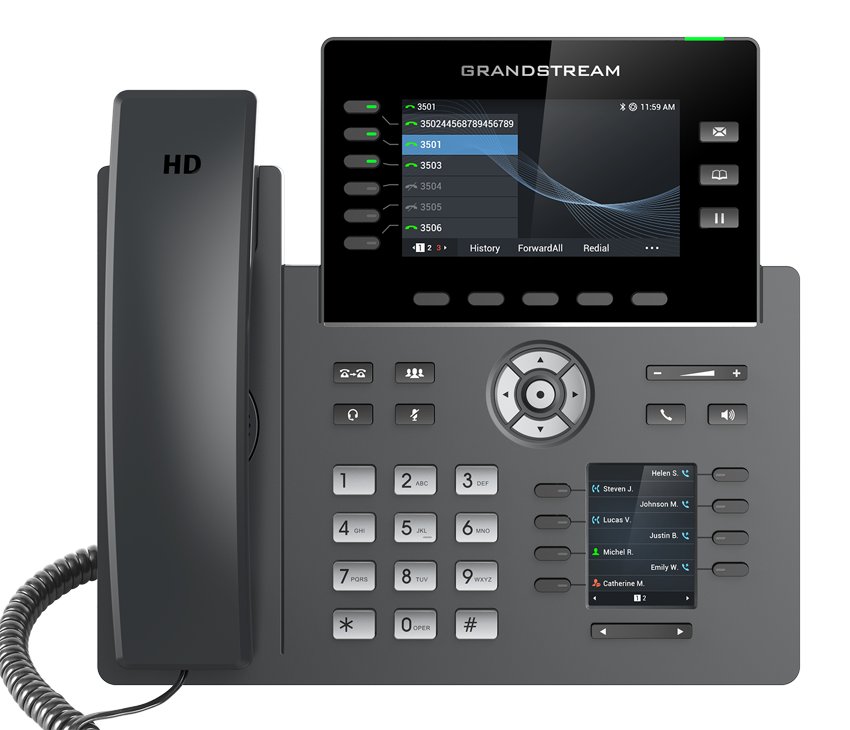
Grandstream offers a comprehensive lineup of devices and solutions that support the shift toward flexible, scalable telephony systems. Their IP phones, especially the GRP series, are engineered for large-scale deployment, making them ideal for organizations aiming to streamline communication across multiple locations. These phones support centralized management through Grandstream’s Device Management System (GDMS), enabling easy configuration, provisioning, and ongoing monitoring from a single interface. This centralized control not only accelerates deployment but also simplifies maintenance, helping businesses grow without the headache of managing each device individually.
The design and features of Grandstream’s IP phones emphasize high-quality audio, user-friendliness, and adaptability. They support high-definition voice, multiple lines, and customizable keys, allowing users to tailor their devices to specific workflows. Whether for busy call centers, remote teams, or standard office environments, these phones deliver clear, reliable communication that enhances productivity. Their intuitive interfaces reduce training time and technical support needs, ensuring your team stays focused on their core tasks instead of troubleshooting technology.
Complementing their hardware offerings, Grandstream provides powerful management tools like GDMS. This platform offers a centralized dashboard for configuring, deploying, and maintaining large fleets of devices remotely. Administrators can push firmware updates, adjust settings, and monitor device health in real-time, all from a remote location. This capability streamlines operational workflows and cuts down on on-site IT support, especially for organizations with distributed teams or multiple branches. It also enables quick responses to issues, minimizing downtime and maintaining high call quality across the board.
Zero-touch provisioning is a standout feature that simplifies deployment even further. When connected to the network, Grandstream devices automatically download their configurations, speeding up installation and reducing human error. This feature is particularly valuable for expanding organizations or those with rapid deployment needs, as it allows new devices to be added or replaced swiftly without sacrificing control or call quality. The ability to scale quickly and reliably keeps your communication infrastructure agile and aligned with your business growth.
Reliability and call quality are paramount in any telephony setup. Many Grandstream IP phones come equipped with Quality of Service (QoS) features that prioritize voice traffic, ensuring crisp, clear calls even during network congestion. Support for dual Ethernet ports and network redundancy further enhances stability, helping maintain seamless communication during outages or bandwidth limitations. These features are essential for delivering professional, uninterrupted service that meets customer expectations and internal standards.
Security remains a top priority for Grandstream. Their devices support encryption protocols and security features that safeguard sensitive conversations and corporate data. Regular firmware updates patch vulnerabilities and enhance stability, providing peace of mind that your communication channels are protected. This focus on security is especially critical for organizations handling confidential or regulated information, where data integrity and privacy are non-negotiable.
Choosing Grandstream devices means investing in solutions built to grow with your organization. Their product lineup caters to small startups and large enterprises alike, offering scalability, reliability, and ease of management. The seamless integration with cloud management platforms ensures your communication system remains flexible and easy to control, regardless of how your business evolves. With Grandstream, your telephony infrastructure becomes a strategic asset—supporting operational efficiency, enhancing customer engagement, and positioning your business for future success in a digital world.