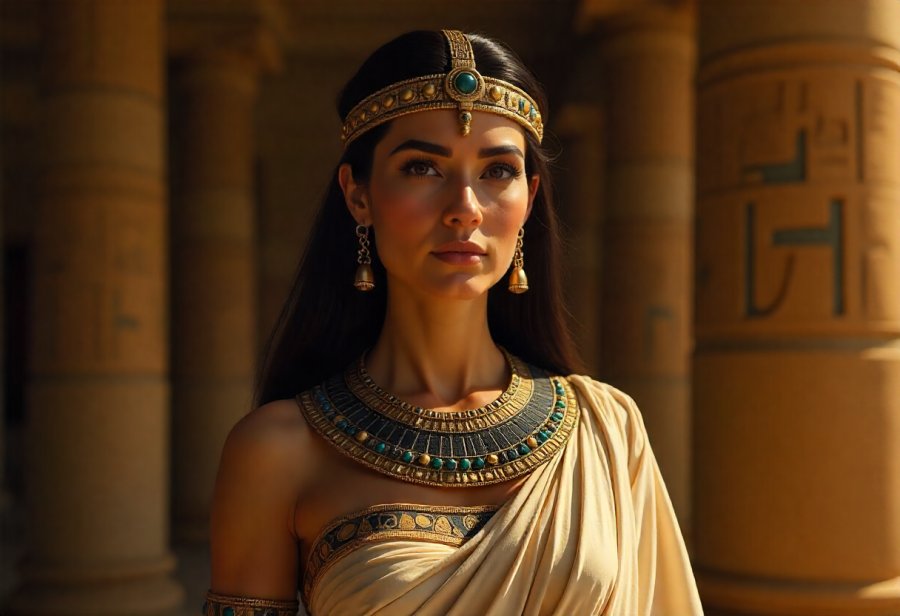
Discover the astonishing life of Alexander the Great: a young king whose unparalleled military genius and visionary ambitions reshaped the ancient world, leaving a legacy of cultural fusion, empire-building, and questions about the true cost of greatness. How did a 32-year-old conqueror forge an empire spanning three continents and inspire a civilization that blended Greek and Eastern traditions? From his early education under Aristotle to his daring battles at Granicus, Issus, and Gaugamela, Alexander’s strategic brilliance redefined warfare. Yet, his relentless pursuit of expansion also led to destruction and cultural upheaval. His founding of cities like Alexandria fostered centers of learning that influenced generations, cementing his legacy beyond conquest. But does the lasting impact of his empire outweigh the personal and societal costs? This compelling narrative explores not just his victories, but the complex legacy of a leader whose vision of unity and cultural fusion continues to resonate—challenging us to reconsider the true meaning of greatness.
Unveiling the Legend: Alexander the Great’s Life and Lasting Impact
Alexander the Great stands as one of history’s most legendary figures, celebrated for his extraordinary military skill and bold vision. Though his life was brief—lasting just 32 years—his impact on the ancient world is monumental. From his early days in Macedonia to his rapid campaigns across Persia, Egypt, and India, his story exemplifies leadership, strategy, and relentless ambition. His achievements did more than expand borders; they transformed societies and fostered cultural exchanges that continue to influence us today.
His empire-building efforts went beyond mere conquest. With innovative tactics and daring strategies, Alexander defeated larger armies and extended his reach across three continents. His ability to inspire loyalty among his troops and adapt to diverse terrains made him a military genius whose influence changed the way wars were fought. But his legacy isn’t just about battlefield victories; it’s also about the cultural fusion he promoted, blending Greek traditions with those of Persia, Egypt, and India. This created a unique Hellenistic civilization that endured long after his death.
Understanding Alexander’s life is essential because his accomplishments highlight how leadership and innovation can shape history. His campaigns laid the groundwork for a world where different cultures could meet, exchange ideas, and evolve together. His story is a testament to the power of vision, daring, and adaptability—traits that continue to inspire leaders and strategists centuries later.
Born in 356 BCE in Macedonia’s capital, Pella, Alexander was the son of King Philip II, a formidable military leader who united Greece under Macedonian rule. From a young age, Alexander displayed remarkable intelligence, charisma, and a keen interest in leadership. His mother, Olympias, fueled his sense of divine destiny, instilling a belief that he was descended from gods—a conviction that would drive his ambitions and self-image throughout his life.
Educated by Aristotle, Alexander cultivated a broad worldview, studying philosophy, science, and ethics. This intellectual grounding fostered a respect for different cultures and ideas, shaping his approach to empire-building. Early leadership roles, such as quelling rebellions and founding cities, demonstrated his tactical skill and confidence, setting the stage for his swift rise to power after his father’s assassination in 336 BCE. From that moment, Alexander’s journey to reshape history was underway.
From Crowned Prince to Conqueror: The Foundations of Alexander’s Leadership
Alexander was born in 356 BCE in Pella, the heart of Macedon, into a royal family with a proud military tradition. His father, King Philip II, had already united much of Greece under Macedonian control and was working to expand his influence further. His mother, Olympias, was known for her fierce ambition and her belief that her son was descended from divine ancestors. This sense of divine right and destiny became a core part of Alexander’s identity from an early age.
From a young age, Alexander displayed remarkable intelligence, charisma, and natural leadership. Growing up amid the political and military affairs of Macedon, he quickly learned what leadership demanded. He often managed state affairs in his father’s absence, demonstrating an early talent for strategy and decision-making. These experiences laid a solid foundation of confidence and competence that would serve him well as he grew older and took on greater responsibilities.
A pivotal influence on his development was his education under Aristotle, one of history’s greatest philosophers. The lessons from Aristotle exposed him to a broad spectrum of ideas—philosophy, science, medicine, and ethics—that broadened his worldview. This intellectual grounding sparked a lifelong curiosity about the wider world and fostered a respect for different cultures and ideas. The education also shaped his approach to governance, emphasizing knowledge, learning, and cultural exchange.
By the age of 16, Alexander was already demonstrating leadership qualities beyond his years. While his father was away on military campaigns, he was left in charge of Macedon. During this time, he quelled rebellions, founded cities—including Alexandria in Egypt—and earned a reputation for daring tactics and strategic thinking. These early accomplishments proved he was not just a prince but a capable ruler in his own right, setting the stage for his ambitious future.
When Philip II was assassinated in 336 BCE, Alexander was only 20. The sudden transition of power was a challenge, but he responded with remarkable decisiveness. He swiftly consolidated his authority, quelling rivals and earning the loyalty of Macedonian nobles and soldiers. His early display of resolve and strategic insight helped him secure his throne and prepared him to lead the next phase of his extraordinary journey—conquering the Persian Empire.
These formative years, marked by royal privilege, rigorous education, and early leadership, transformed Alexander from a curious prince into a confident and capable leader. His natural talents, combined with the lessons learned from his father and Aristotle, created a foundation that would propel him toward greatness. With a clear sense of destiny and a thirst for conquest, he was ready to set out and change the course of history.
Master of Warfare: His Campaigns, Battles, and Strategic Genius
Alexander’s military campaigns are celebrated for their strategic brilliance and daring execution, reshaping how armies fought in the ancient world. His first major victory at the Battle of Granicus in 334 BCE demonstrated his ability to use rapid cavalry maneuvers and surprise tactics to outflank the Persians. This set the tone for his subsequent conquests, as he quickly gained momentum across Asia Minor. At Issus in 333 BCE, Alexander employed clever flank attacks and swift cavalry charges to encircle Darius III’s larger army, forcing the Persian king to flee and securing control over Syria and Palestine.
The Battle of Gaugamela in 331 BCE marked the decisive end of Persian dominance. Here, Alexander’s innovative battlefield formations and swift, coordinated attacks shattered the Persian resistance, cementing his reputation as a military genius. Throughout these battles, he displayed remarkable adaptability—tailoring his tactics to different enemies and terrains. His mastery of combined arms, integrating infantry, cavalry, and engineering, kept opponents off balance and inspired unwavering loyalty among his troops. His daring leadership turned him into a legendary figure, capable of defeating larger armies with smaller, well-led forces.
Alexander’s conquests extended beyond battlefield success. He founded cities like Alexandria in Egypt, which served both strategic purposes and as symbols of Greek influence. His campaign into Persia aimed to unite East and West through cultural fusion—spreading Greek ideas, customs, and governance, while respecting local traditions. His policy of Hellenization involved spreading Greek language, arts, and institutions, creating a hybrid civilization that would endure long after his death. This blend of military conquest and cultural integration became a hallmark of his empire-building.
His easternmost campaign into India tested his limits. At the Battle of Hydaspes in 326 BCE, he faced King Porus’s formidable elephants and disciplined troops. Using clever flanking maneuvers and coordinated attacks, Alexander secured a hard-fought victory. Yet, his troops, exhausted after years of relentless warfare, refused to march further into unfamiliar territory. Recognizing their fatigue, Alexander halted his eastward push, accepting the practical boundaries of his empire.
Alexander’s sudden death in 323 BCE cut short his plans for further expansion. His empire, stretching from Greece to India, was a vast and diverse territory, challenging to govern. Without a clear successor, it fractured into rival factions, and his generals divided the spoils. Despite the empire’s short lifespan, his campaigns revolutionized military strategy and fostered cultural exchange. The cities he established, especially Alexandria, became centers of learning and innovation, shaping the Hellenistic world for centuries to come.
His military genius and daring tactics left a lasting legacy in both warfare and cultural history. Alexander demonstrated that innovation, adaptability, and bold leadership could overcome even the most formidable foes. His campaigns showed the power of combining strategic brilliance with cultural openness—an approach that influenced rulers and armies long after he was gone. Today, his story remains a testament to how visionary leadership can truly reshape the course of history.
A Legacy Beyond Borders: How Alexander Shaped Culture, Science, and Diplomacy
Alexander the Great’s influence reaches far beyond the battlefield, shaping modern culture and ideas in profound ways. His innovative military tactics—emphasizing speed, surprise, and adaptability—are still studied today, forming the foundation of strategic thinking in military academies worldwide. Leaders and commanders look to his campaigns for lessons on how boldness, flexibility, and creative thinking can turn the tide against larger, more established forces.
Culturally, Alexander’s legacy played a pivotal role in spreading Greek ideas across a vast territory, blending them with local traditions to create the Hellenistic world. The cities he founded, especially Alexandria in Egypt, became vibrant centers of learning, science, and art. These hubs attracted scholars, scientists, and thinkers whose discoveries and ideas laid the groundwork for future advancements. The influence of Greek philosophy, science, and art persisted long after his death, shaping civilizations from the Mediterranean to Asia and fostering a shared cultural heritage that endures today.
His approach to empire-building offers lessons in cultural integration and diplomacy. By encouraging intermarriage, respecting local customs, and promoting shared governance, Alexander aimed to unite diverse peoples under a common purpose. This strategy of inclusion and mutual respect helped maintain stability and loyalty within his empire. These principles continue to underpin modern diplomacy, emphasizing the importance of understanding and valuing different perspectives to foster cooperation and peace.
The cities Alexander established served as more than strategic outposts—they became symbols of cultural exchange and innovation. Alexandria, in particular, emerged as a beacon of knowledge, housing the famous Library of Alexandria and attracting scholars from across the known world. These centers of learning preserved and transmitted Greek scientific, philosophical, and literary traditions, influencing intellectual progress for centuries and inspiring the development of scientific inquiry and education systems still in use today.
Despite the empire’s short lifespan, the structures of influence Alexander created endured through the Hellenistic kingdoms. These successor states preserved Greek culture and institutions while adapting them to local contexts, shaping governance, science, and art across a broad region. His campaigns demonstrated that innovation in leadership and cultural diplomacy could leave a legacy that outlives even the most expansive conquests, inspiring future generations to imagine a world connected by shared ideas and mutual understanding.
Today, Alexander remains a complex figure—both admired and debated. His daring campaigns and vision of a unified world continue to inspire stories, films, and scholarly debates. His life exemplifies how leadership rooted in innovation, cultural respect, and strategic daring can forge a legacy that transcends borders and centuries. His story reminds us that true greatness lies not only in conquest but in the bridges built along the way—connections that shape the course of history and the future of intercultural dialogue.
Lessons from a Legend: Reflections on Alexander’s Enduring Influence and Future Insights
Reflecting on Alexander the Great’s legacy reveals a figure whose influence extends far beyond his lifetime. His innovative military tactics—centered on speed, surprise, and adaptability—continue to serve as foundational lessons in modern strategic thinking. Leaders and military strategists draw inspiration from his campaigns, recognizing that boldness and flexibility can turn the tide against larger, more entrenched forces. His ability to rally loyalty and adapt tactics to diverse terrains set new standards for leadership and warfare, shaping military doctrine for centuries.
Beyond his battlefield achievements, Alexander’s vision of cultural fusion reshaped the ancient world and left a lasting imprint on civilization. His efforts to spread Greek ideas and customs across a vast territory fostered the emergence of the Hellenistic world—a vibrant landscape of shared knowledge, art, and innovation. The cities he founded, especially Alexandria, became centers of learning and exchange, with their influence echoing through history. These hubs of intellectual activity laid the groundwork for scientific discovery, philosophical thought, and cultural progress that still resonate today.
His approach to empire-building offers valuable insights into managing diversity and fostering stability through inclusion. By respecting local traditions, encouraging intercultural marriages, and promoting shared governance, Alexander sought to unify disparate peoples under a common purpose. This strategy of cultural integration and mutual respect helped maintain loyalty and reduce resistance within his expansive realm. Such principles of diplomacy and understanding remain relevant as models for contemporary international relations and intercultural dialogue.
The enduring impact of Alexander’s city foundations underscores the importance of knowledge and innovation. These centers of learning, like Alexandria’s famed library, attracted scholars and scientists whose discoveries propelled progress across multiple fields. The legacy of these institutions—preserving and transmitting Greek advancements—shaped the intellectual landscape of the Western and Near Eastern worlds. Their influence continues to inspire efforts to promote education, scientific inquiry, and cross-cultural understanding in our interconnected age.
While his empire was short-lived, the structures of influence he established endured through the subsequent Hellenistic kingdoms. These successors preserved Greek culture and institutions, adapting them to local contexts and shaping governance, science, and the arts for generations. Alexander’s life reminds us that true greatness lies not only in conquest but also in the bridges of knowledge, culture, and collaboration built along the way. Studying his legacy offers timeless lessons on leadership, innovation, and the power of cultural unity—lessons that continue to inspire progress and connection across borders today.